An Almost Perfect Affair (1979): Romance and Cinema

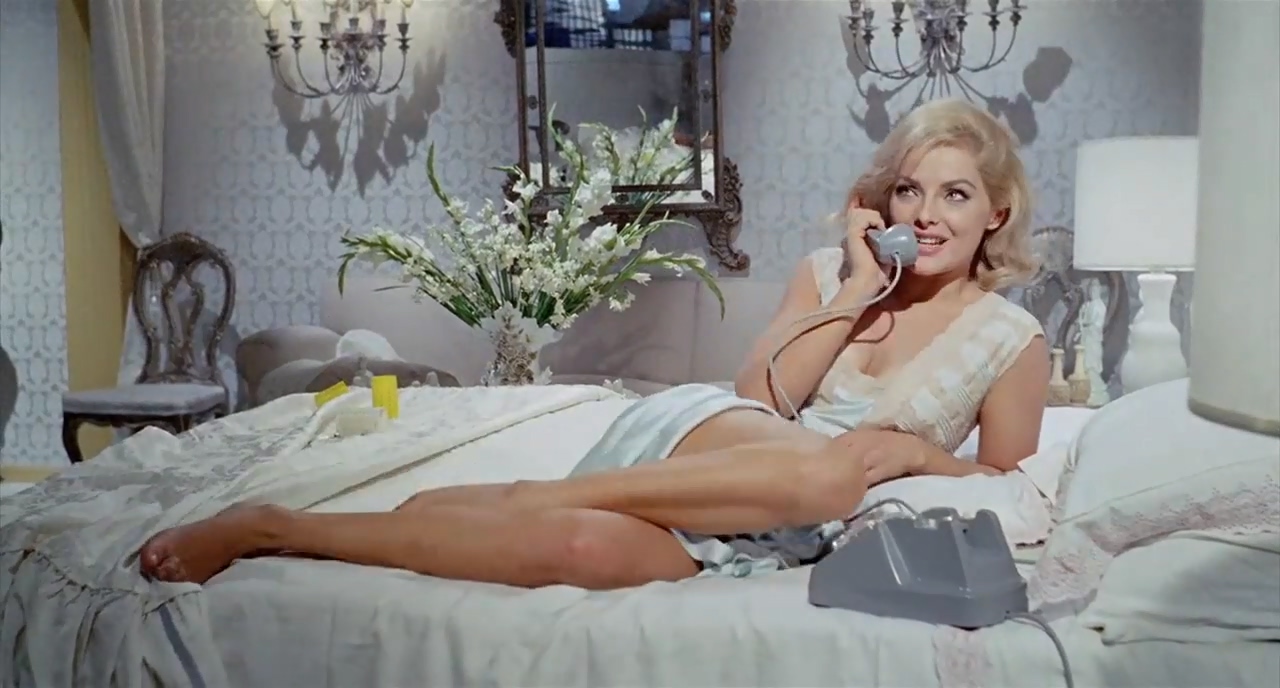
molecular-designs.com“An Almost Perfect Affair” is a 1979 romantic comedy directed by Michael Ritchie that playfully merges a love story with the glamorous world of filmmaking. Set against the backdrop of the Cannes Film Festival, the film explores the intersection of art and love, offering a charming narrative filled with humor, charm, and the excitement of the film industry. Featuring a captivating performance from Keith Carradine and Monica Vitti, the film reflects the whimsical side of romance while providing a behind-the-scenes look at the movie business.

Plot Overview

The story follows Hal Raymond (Keith Carradine), a budding American filmmaker who arrives in Cannes to present his independent film at the prestigious film festival. Hal is passionate about cinema but quickly realizes that navigating the world of film festivals and producers is more challenging than expected. Despite his determination, he feels out of place among the big names and glamorous stars that dominate the scene.

His luck takes a turn when he meets Maria Barone (Monica Vitti), the stunning and confident wife of a powerful Italian film producer, Federico Barone (Raf Vallone). Maria, who has long been married to the wealthy and influential Federico, finds herself drawn to Hal’s youthful idealism and creative energy. The two form an instant connection, and their friendship quickly blossoms into a passionate romance.

As Hal and Maria’s affair unfolds, they must navigate the complexities of their relationship in the high-stakes world of cinema, where personal and professional lives are often intertwined. Maria, torn between her loyalty to her husband and her growing feelings for Hal, faces a difficult decision about the direction of her life. Meanwhile, Hal’s rising career presents its own set of challenges, as he grapples with the tension between staying true to his artistic vision and the demands of the commercial film industry.

The film’s setting at the Cannes Film Festival adds a layer of glamour and excitement, as the characters are surrounded by the glitz of the international film scene. The festival serves as both a backdrop and a metaphor for the fleeting nature of romance and success, highlighting the tension between personal desires and professional ambitions.

Themes: Love, Art, and Ambition

“An Almost Perfect Affair” weaves together themes of romantic love, artistic ambition, and the often-contradictory nature of pursuing one’s passion. At the heart of the film is the tension between Hal’s love for Maria and his love for filmmaking. His affair with Maria symbolizes his struggle to balance his personal and professional lives, as both relationships are filled with passion but require sacrifice.

The film also explores the theme of ambition in the context of the film industry. Hal’s journey to Cannes as an independent filmmaker mirrors the struggles of many artists who must navigate the commercial pressures of the film world while trying to stay true to their creative visions. His affair with Maria is symbolic of the seductive power of success and fame, as both his romantic and professional lives become entangled in the glamorous world of cinema.

For Maria, the affair represents a search for freedom and self-discovery. As the wife of a powerful producer, she has lived much of her life in the shadow of her husband’s success. Her relationship with Hal allows her to reclaim a sense of personal identity, breaking away from the roles imposed on her by her marriage and social status. The film’s exploration of Maria’s inner conflict adds depth to what could otherwise be a straightforward romantic comedy, giving the story a sense of emotional weight and complexity.

Performances: A Captivating Duo

The chemistry between Keith Carradine and Monica Vitti is one of the film’s highlights. Carradine’s portrayal of Hal Raymond brings an earnestness and charm to the role, making him a relatable character for audiences. Hal’s journey from an aspiring filmmaker to someone caught in the whirlwind of love and professional success is portrayed with a light touch, allowing the character’s growth to feel natural and engaging.

Monica Vitti, a beloved Italian actress known for her work in both dramatic and comedic roles, shines as Maria Barone. Vitti’s performance is elegant and nuanced, capturing Maria’s vulnerability as well as her strength. She effortlessly balances the character’s sense of duty to her husband with her yearning for independence, creating a complex and layered portrayal of a woman torn between two worlds.

Together, Carradine and Vitti’s on-screen chemistry is palpable, infusing the film with an infectious energy that drives the story forward. Their relationship feels authentic, with both characters experiencing personal growth through their connection, making the audience invested in the outcome of their love affair.

Direction and Cinematic Style

Michael Ritchie, known for his satirical takes on various aspects of American life, brings a light, comedic touch to “An Almost Perfect Affair” while maintaining a sense of authenticity in the portrayal of both romance and the film industry. His direction balances the film’s humor with moments of emotional depth, allowing the story to resonate on multiple levels.

The setting of the Cannes Film Festival is integral to the film’s tone and style. The festival’s glamorous atmosphere, with its red carpets, celebrity parties, and high-profile premieres, serves as a vibrant backdrop for the characters’ personal and professional dramas. Ritchie uses this setting to heighten the stakes of the story, as the glitz and glamour of the festival contrast with the more intimate moments between Hal and Maria.

The film’s visual style is light and breezy, reflecting the playful nature of the story. The cinematography captures the beauty of the French Riviera, while the use of vibrant colors and sweeping camera movements adds to the sense of excitement and romance that permeates the film. Ritchie’s direction ensures that the film remains a charming and enjoyable experience, with a blend of humor, romance, and cinematic spectacle.

Reception and Legacy

Upon its release, “An Almost Perfect Affair” was praised for its lighthearted approach to romance and its affectionate portrayal of the film industry. Audiences appreciated the film’s blend of humor and heart, as well as the strong performances from Keith Carradine and Monica Vitti. While it may not have been a major box-office success, the film has since developed a reputation as a charming and enjoyable romantic comedy with a unique setting and premise.

The film’s exploration of the Cannes Film Festival as a backdrop for romance added a layer of intrigue for moviegoers, offering a glimpse into the behind-the-scenes world of the film industry. This element helped the film stand out from other romantic comedies of the time, making it a memorable entry in the genre.

Conclusion

“An Almost Perfect Affair” (1979) is a delightful romantic comedy that combines the glamour of the Cannes Film Festival with the complexities of love and ambition. Directed by Michael Ritchie and featuring standout performances from Keith Carradine and Monica Vitti, the film offers a lighthearted yet emotionally resonant story about the intersection of art, love, and personal growth. With its charming blend of humor, romance, and cinema, “An Almost Perfect Affair” remains an engaging and entertaining film that continues to captivate audiences with its wit and heart.
Roar (1981): A Wild Ride into the World of Big Cats

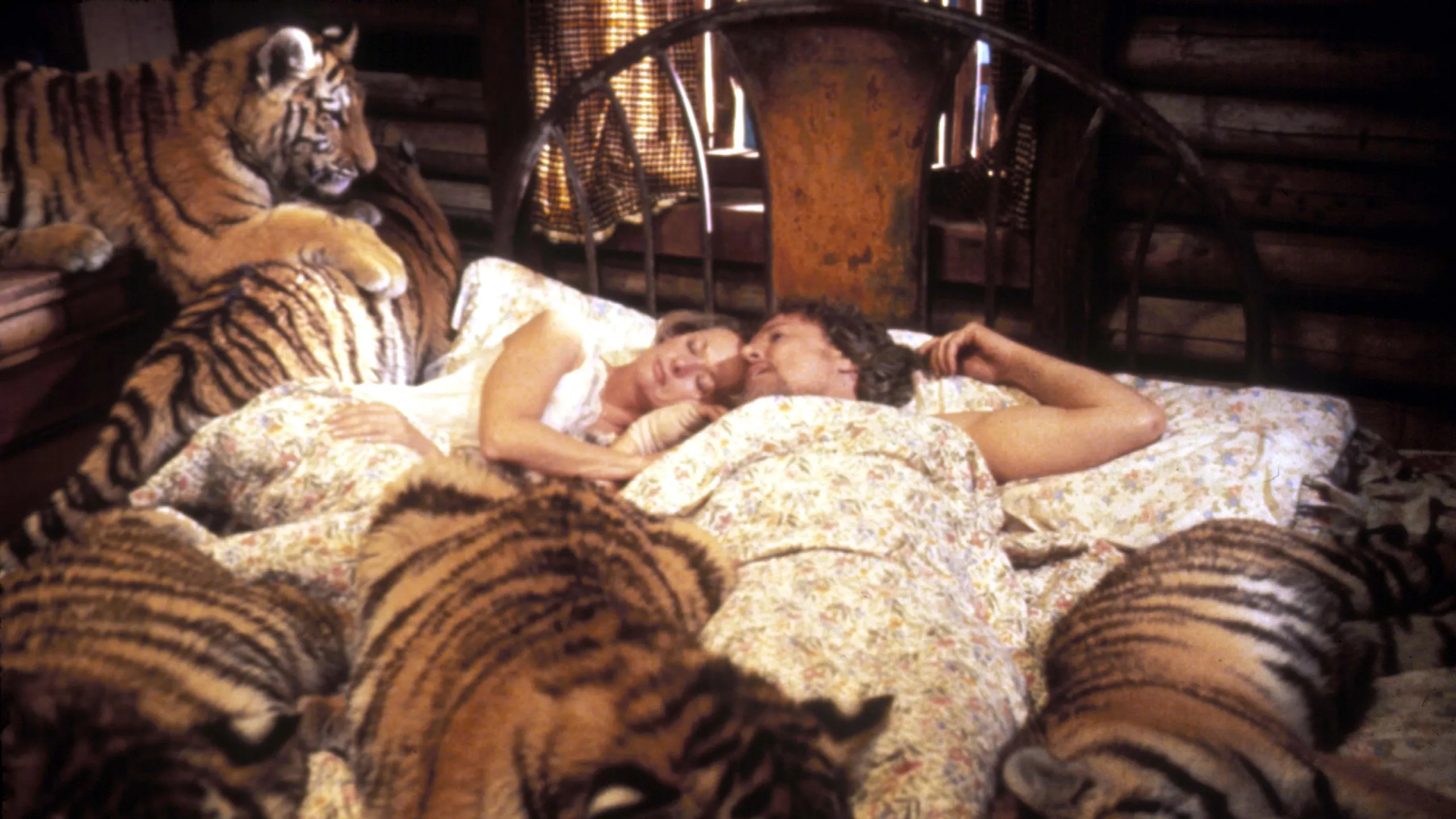
molecular-designs.com – Roar (1981) is a unique and often bizarre cinematic experience, directed by Noel Marshall and starring his wife, Tippi Hedren, and their family. The film is infamous for its extensive use of real big cats, including lions, tigers, and leopards, which led to numerous on-set injuries.

A Family Affair Gone Wild

The film’s premise revolves around a family who owns a big cat sanctuary in Africa. The story follows their efforts to protect their animals from poachers and other threats. While the plot is relatively simple, the film’s true appeal lies in its raw and often chaotic nature.

A Dangerous Stunt

Roar is notorious for its dangerous stunts, many of which involved the cast and crew working directly with large, unpredictable animals. This led to numerous injuries, including a serious attack on Tippi Hedren, which left her scarred for life. Despite the risks, the film’s creators were determined to capture authentic footage of big cats in action.

A Cult Classic

Despite its many flaws, Roar has developed a cult following over the years. Its unique blend of adventure, drama, and animal spectacle has captivated audiences, who are drawn to its raw energy and unpredictable nature. The film’s legacy is also tied to its controversial production history, which has made it a subject of fascination for many.

A Cautionary Tale

Roar serves as a cautionary tale about the dangers of working with wild animals. The film’s production was fraught with accidents and near-misses, highlighting the importance of safety and respect for these powerful creatures. Despite the risks, the film remains a testament to the passion and dedication of its creators.

A Feline Odyssey

For those who are fascinated by big cats and the challenges of working with them, Roar offers a unique and unforgettable cinematic experience. While it may not be a masterpiece of filmmaking, it is a fascinating and often terrifying glimpse into the world of big cats.

Detective Story: A Classic Noir Thriller – A Gripping Narrative

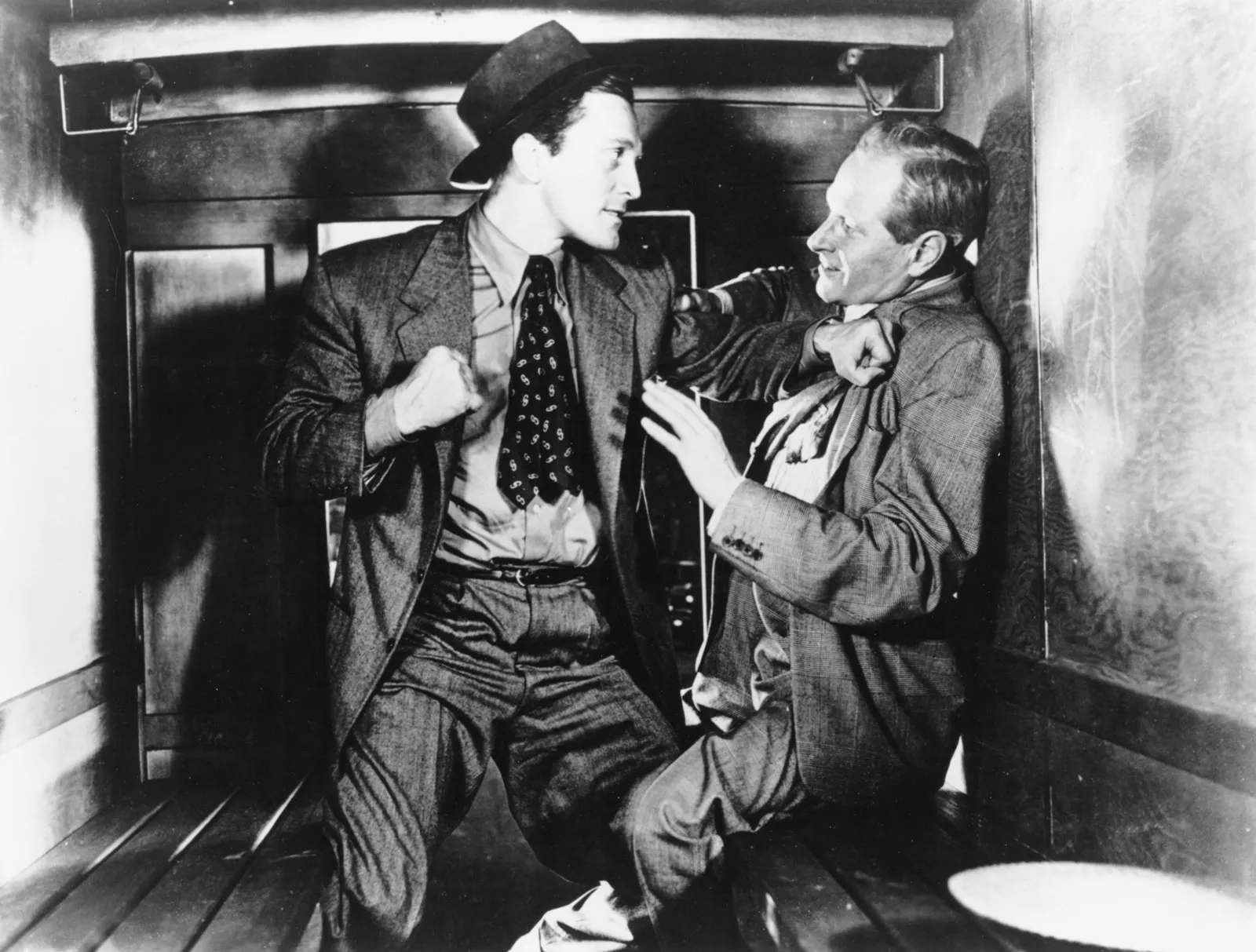
molecular-designs.com – Detective Story is a 1951 film noir directed by William Wyler, starring Kirk Douglas as Detective Lieutenant Jim McLeod. This classic crime drama delves into the personal and professional life of a hardened New York City detective, as he grapples with a difficult case and a troubled marriage.

A Gripping Narrative

The film follows McLeod as he investigates a robbery case involving a young woman named Mary Doyle (Eleanor Parker). As he delves deeper into the investigation, he becomes increasingly obsessed with the case, neglecting his wife, a former actress, and their young son. The film explores the psychological toll that police work can take on an individual, as well as the blurred lines between justice and vengeance.

A Stellar Performance by Kirk Douglas

Kirk Douglas delivers a powerful and intense performance as Detective McLeod. His portrayal of a man consumed by his work and haunted by his past is both compelling and heartbreaking. Douglas’s physicality and emotional range bring the character to life, making him one of the most iconic figures in film noir history.

A Timely Exploration of Social Issues

Detective Story is not only a thrilling crime drama but also a timely exploration of social issues. The film touches on themes of domestic violence, alcoholism, and the impact of crime on society. By examining these issues through the lens of a single character, the film offers a nuanced and thought-provoking commentary on the human condition.

A Timeless Classic

Detective Story is a timeless classic that continues to resonate with audiences today. Its gripping narrative, strong performances, and timeless themes make it a must-see for fans of film noir and classic Hollywood cinema. The film’s exploration of the dark side of human nature and the consequences of our actions remains as relevant as ever.

The Girl in Black Stockings: A Campy Mystery – A Murderous Vacation

molecular-designs.com – The Girl in Black Stockings is a 1957 American B-movie mystery film directed by Howard W. Koch. Set in a secluded Utah lodge, the film follows a group of diverse characters who become entangled in a series of mysterious murders.   

A Cast of Suspects

The film features a cast of colorful characters, including a wheelchair-bound lodge owner, a beautiful and enigmatic woman, a washed-up actor, and a young, ambitious lawyer. As the body count rises, suspicion falls on everyone, creating a tense and suspenseful atmosphere.   

A Campy Delight

The Girl in Black Stockings is often considered a campy classic, with its over-the-top performances, melodramatic dialogue, and absurd plot twists. The film’s low budget and limited production values contribute to its unique charm and appeal to cult audiences.   

A Nod to Film Noir

Despite its campy elements, the film draws inspiration from the film noir genre. Its dark and atmospheric setting, along with its morally ambiguous characters, creates a sense of suspense and intrigue.

A Forgotten Gem

While The Girl in Black Stockings may not be a critical darling, it has gained a cult following over the years. Its blend of mystery, suspense, and campy humor makes it a fun and entertaining watch for fans of B-movies and classic film noir.

The National Treasure Series: A Treasure Trove of Adventure

molecular-designs.com – The National Treasure film series, consisting of National Treasure (2004) and National Treasure: Book of Secrets (2007), is a thrilling adventure series starring Nicolas Cage as Benjamin Franklin Gates, a history buff and treasure hunter. These films combine historical fact with fictional adventure, taking viewers on a globe-trotting quest for hidden treasure and long-lost secrets.

National Treasure (2004): A Declaration of Independence

The first film in the series follows Benjamin Gates as he embarks on a quest to uncover a hidden treasure connected to the Declaration of Independence. With the help of his partner, Riley Poole (Justin Bartha), and his historian aunt, Abigail Chase (Diane Kruger), Gates races against time to find the treasure before a rival group of thieves.

National Treasure: Book of Secrets (2007): A Presidential Conspiracy

In the second film, Gates and his team are drawn into a new adventure when they discover a secret hidden within a painting by John Trumbull. This new clue leads them on a worldwide chase to uncover a conspiracy involving historical figures like John Wilkes Booth and Abraham Lincoln.

A Blend of History and Fiction

The National Treasure series is known for its blend of historical fact and fictional adventure. The films incorporate real historical events and figures, such as the Founding Fathers and the Civil War, into their thrilling plots. This approach makes the films both entertaining and educational, as viewers learn about American history while enjoying the action and adventure.

A Family-Friendly Adventure

The National Treasure films are family-friendly adventures that appeal to both children and adults. The films are filled with humor, suspense, and exciting chase sequences. They also promote the importance of history and encourage viewers to explore the past.

A Legacy of Adventure

The National Treasure series has left a lasting impact on popular culture. The films have inspired a generation of treasure hunters and history buffs. They have also sparked interest in American history and encouraged viewers to learn more about the past.

Key Themes Explored in the Series:

  • The Power of History: The films emphasize the importance of history and its relevance to the present.
  • The Pursuit of Knowledge: The characters in the series are driven by a thirst for knowledge and a desire to uncover the truth.
  • The Importance of Family: Family bonds are a central theme in the series, as the characters rely on their loved ones for support and guidance.
  • The Thrill of Adventure: The films are filled with exciting adventures, from daring escapes to thrilling chases.

Conclusion

The National Treasure series is a thrilling and entertaining adventure series that appeals to audiences of all ages. With its blend of history, adventure, and humor, it has become a beloved franchise that continues to captivate viewers. Whether you’re a history buff or simply looking for a fun and exciting film, the National Treasure series is sure to entertain.

Insatiable (1976): A Controversial Exploration of Desire

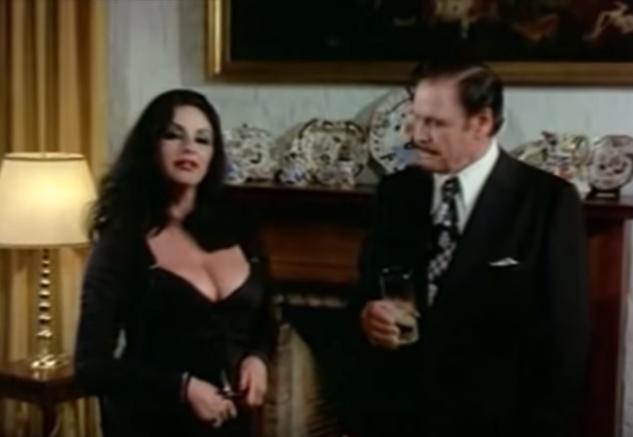
molecular-designs.com – Insatiable (1976), an Argentine erotic drama film directed by Armando Bó, is a provocative exploration of female sexuality and desire. Starring the iconic actress Isabel Sarli, the film delves into themes of infidelity, obsession, and the complexities of human relationships.   

A Bold and Provocative Narrative

The film centers around the character of Susana, a woman who is seemingly insatiable in her pursuit of sexual pleasure. Despite being married, Susana engages in numerous extramarital affairs, driven by an insatiable desire that she cannot control. Her husband, initially perplexed and then tormented by her behavior, seeks the help of a psychologist to understand her condition.

Sexuality and Social Taboos

Insatiable challenges societal norms and taboos surrounding female sexuality. The film’s explicit content and sexually charged scenes were groundbreaking for its time, pushing the boundaries of censorship and sparking controversy. By portraying a woman who openly embraces her desires, the film subverts traditional gender roles and expectations.   

A Psychological Exploration

Beyond its provocative nature, Insatiable also delves into the psychological underpinnings of Susana’s behavior. The film suggests that her insatiable desire may be rooted in deeper psychological issues, such as a lack of fulfillment or a search for identity. Through her character, the film explores the complex interplay between desire, obsession, and the human psyche.   

The Legacy of Isabel Sarli

Isabel Sarli, the star of Insatiable, was a prominent figure in Argentine cinema, often referred to as the “Argentine sex symbol.” Her performances in films like Insatiable helped to redefine the image of women in Argentine cinema, challenging traditional stereotypes and exploring the complexities of female sexuality.   

A Product of Its Time

Insatiable is a product of its time, reflecting the social and cultural climate of the 1970s. The film’s explicit content and provocative themes were a response to the sexual revolution and the growing openness to discussions about sexuality. However, it is important to view the film through a historical lens, recognizing the limitations of its time and the evolving understanding of gender and sexuality.

Conclusion

Insatiable remains a controversial and divisive film, but it has undeniably left a lasting impact on cinema. It is a testament to the enduring power of sexuality and the complex relationship between desire and identity. The film continues to spark debate and controversy, prompting viewers to consider the ethical implications of explicit content and the representation of women in film.

Casanova ’70: Comedy – A Unique Take on the Legendary Lover

molecular-designs.com – Released in 1965, Casanova ’70 is an Italian comedy film directed by Mario Monicelli. A far cry from the traditional portrayals of the historical figure, this film offers a humorous and satirical take on the legendary lover.   

A Modern-Day Casanova with a Twist

The film centers around Andrea Rossi-Colombotti, a charismatic and charming NATO officer played by Marcello Mastroianni. However, Andrea has a peculiar condition: he can only experience sexual arousal when his life is in danger. This unusual quirk leads to a series of hilarious and often absurd adventures as he seeks out dangerous situations to satisfy his desires.   

A Satirical Look at Romance and Society

Casanova ’70 is not just a comedy of errors but also a satirical look at love, sex, and society. The film playfully skewers the expectations and conventions of romantic relationships, poking fun at the male ego and the female ideal.   

A Masterful Performance by Mastroianni

Marcello Mastroianni delivers a brilliant performance as the unconventional Casanova. His portrayal of the character is both charming and self-deprecating, making Andrea a relatable and endearing figure.

A Classic of Italian Cinema

Casanova ’70 is a classic of Italian cinema, known for its witty dialogue, clever plot, and stunning cinematography. The film’s blend of humor, satire, and romance has made it a beloved favorite among audiences worldwide.

A Timeless Comedy

Despite being released over half a century ago, Casanova ’70 remains a timeless comedy that continues to entertain and amuse. Its unique take on the legendary lover and its sharp social commentary make it a must-watch for fans of Italian cinema and comedy lovers alike.

Barbarella (1968): A Sci-Fi Fantasy – Fonda’s Iconic Role

molecular-designs.com – Barbarella (1968) is a cult classic science fiction film that has captivated audiences for decades. Directed by Roger Vadim and starring Jane Fonda in the titular role, the film is a visually stunning and sexually charged exploration of a futuristic universe.

Fonda’s Iconic Role

Jane Fonda’s portrayal of Barbarella, a space adventurer with a unique mission to save the galaxy, is iconic. Her ethereal beauty, combined with her playful and seductive performance, made her a sex symbol of the 1960s. Fonda’s costume design, featuring futuristic and revealing outfits, has become legendary and has influenced fashion trends for years to come.

A Psychedelic Journey

Barbarella is a visually stunning film, with its psychedelic color palette, futuristic sets, and innovative special effects. The film’s surreal and dreamlike atmosphere creates a unique and immersive cinematic experience.

A Controversial Film

Upon its release, Barbarella was a controversial film, with its explicit sexual content and its exploration of themes of sexuality and desire. However, the film’s innovative and groundbreaking approach to science fiction and its bold aesthetic have solidified its place in cinematic history.

A Timeless Classic

Despite its controversial nature, Barbarella has endured as a timeless classic. Its iconic characters, stunning visuals, and groundbreaking themes continue to captivate audiences. The film’s influence can be seen in countless science fiction and fantasy films that followed.

A Must-Watch for Fonda Fans

For fans of Jane Fonda, Barbarella is a must-watch. It showcases her versatility as an actress and her willingness to take on challenging and unconventional roles. The film’s visually stunning world and Fonda’s iconic performance make it a truly unforgettable cinematic experience.

Conclusion

Barbarella is a groundbreaking and visually stunning film that has left an enduring legacy. Jane Fonda’s iconic performance as the titular character has solidified her status as a cultural icon. The film’s exploration of sexuality, desire, and the unknown continues to fascinate and inspire audiences.

Psycho II: The Return of Norman Bates – A Haunting Sequel

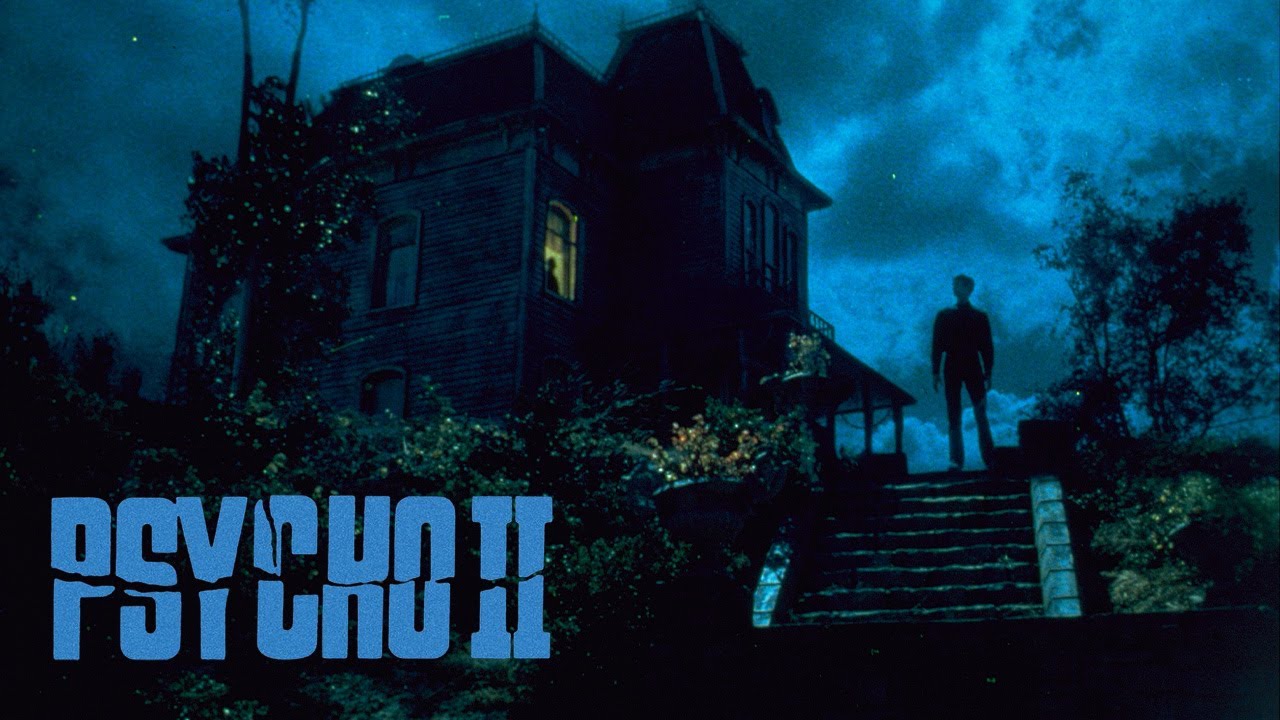
molecular-designs.com – Released in 1983, Psycho II is a direct sequel to Alfred Hitchcock’s iconic 1960 film, Psycho. This psychological horror film, directed by Richard Franklin, picks up 22 years after the events of the original, delving deeper into the disturbing psyche of Norman Bates.

The Return of Norman Bates

Anthony Perkins reprises his iconic role as Norman Bates, who has been released from a mental institution. The film explores the complexities of his character, delving into his troubled past and the lingering effects of his mother’s influence. Perkins delivers a chilling and nuanced performance, capturing the essence of Norman’s dark and twisted mind.

A New Threat Emerges

As Norman attempts to reintegrate into society, he faces new challenges and threats. A series of murders begins to occur in the vicinity of the Bates Motel, raising suspicions about Norman’s involvement. The film effectively builds suspense as the mystery unfolds, leaving the audience questioning who is truly behind the killings.

A Dark and Disturbing Exploration of Madness

Psycho II delves into the darker aspects of the human psyche, exploring themes of obsession, madness, and the destructive power of the past. The film’s atmospheric setting, combined with its haunting score, creates a sense of dread and unease.

A Worthy Sequel

While Psycho II may not reach the same heights as its predecessor, it is a worthy sequel that pays homage to the original film while offering a fresh and disturbing perspective. The film’s exploration of Norman Bates’ character and the enduring nature of evil make it a compelling and thought-provoking horror film.

Baby the Rain Must Fall: A Tragic Tale of Redemption

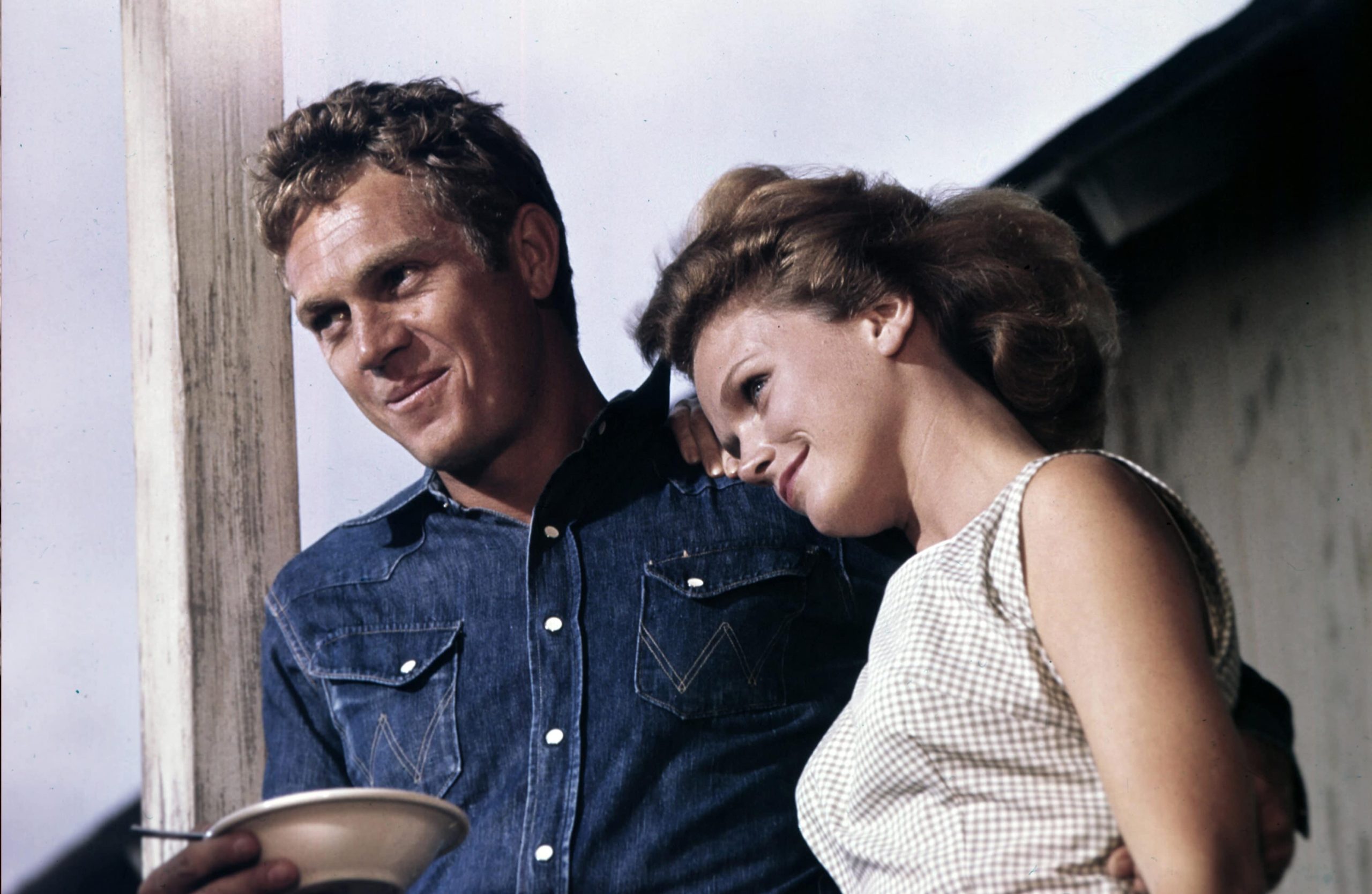
molecular-designs.com – Robert Mulligan’s 1965 film, “Baby the Rain Must Fall,” is a poignant and emotionally charged drama that delves into the depths of human despair and the power of redemption. Based on Horton Foote’s play “The Traveling Lady,” the film stars Lee Remick as Georgette Thomas, a troubled woman haunted by her past and desperate for a chance at a new beginning.

A Haunting Performance

Lee Remick delivers a tour-de-force performance as Georgette, a complex and tragic figure. Her portrayal of a woman grappling with addiction, grief, and mental illness is both heartbreaking and mesmerizing. Remick’s nuanced performance captures the character’s vulnerability, strength, and unwavering hope.

A Family in Crisis

Georgette’s life is marked by tragedy and loss. Her husband, Henry (Steve McQueen), is a former convict struggling to maintain sobriety. The couple, along with their young son, relocate to a small Texas town in hopes of starting anew. However, their past mistakes and the weight of their addictions continue to haunt them.

The Burden of the Past

The film explores the destructive power of the past and the challenges of breaking free from its grip. Georgette’s troubled childhood and her history of addiction have left deep scars on her psyche. She yearns for love and acceptance but is constantly hindered by her own self-destructive tendencies.

A Glimpse of Hope

Despite its bleak subject matter, “Baby the Rain Must Fall” offers a glimmer of hope. The film suggests that even in the darkest of times, there is always the possibility of redemption. Georgette’s unwavering spirit and her determination to overcome her demons inspire viewers to believe in the power of human resilience.

A Timeless Tale of Human Emotion

“Baby the Rain Must Fall” is a timeless film that continues to resonate with audiences today. Its exploration of universal themes such as love, loss, addiction, and redemption remains relevant. The film’s powerful performances, evocative cinematography, and haunting score create a deeply moving and unforgettable cinematic experience.

Conclusion

“Baby the Rain Must Fall” is a poignant and thought-provoking film that offers a deeply human portrayal of struggle, hope, and the enduring power of the human spirit. Lee Remick’s extraordinary performance elevates the film to a new level, making it a must-watch for fans of classic cinema.

Point Blank: A Stylistic Masterpiece of Revenge

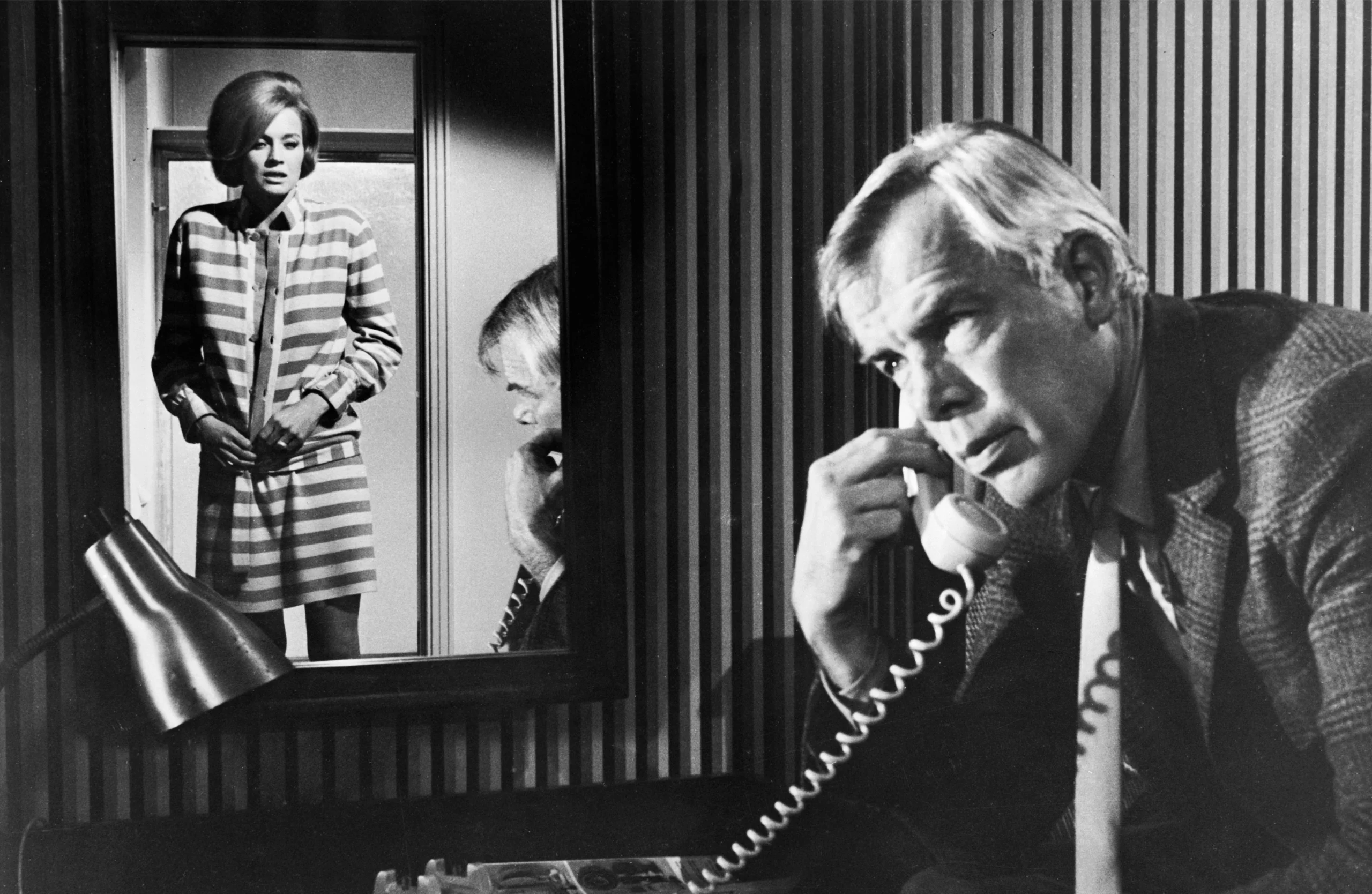
molecular-designs.com – John Boorman’s Point Blank (1967) is a stylish and enigmatic crime thriller that has captivated audiences for decades. Starring Lee Marvin as Walker, a man hell-bent on revenge, the film is a masterclass in minimalist storytelling and atmospheric filmmaking.   

A Femme Fatale with a Twist

Angie Dickinson portrays Chris, a mysterious woman with a connection to Walker’s past. Her character is a complex and alluring figure, a femme fatale with a twist. Dickinson’s performance is both seductive and dangerous, adding a layer of intrigue to the already suspenseful plot.   

A Non-Linear Narrative

One of the film’s most distinctive features is its non-linear narrative structure. The story unfolds in a series of fragmented flashbacks, creating a sense of disorientation and mystery. This unconventional approach to storytelling adds to the film’s overall atmosphere of paranoia and suspense.   

A Visual and Auditory Feast

Point Blank is a visual and auditory feast. The film’s striking cinematography, featuring stark contrasts of light and shadow, creates a sense of isolation and alienation. The minimalist score, composed by John Barry, perfectly complements the film’s dark and brooding tone.   

A Cult Classic

Point Blank is a cult classic that has influenced countless filmmakers. Its stylish visuals, enigmatic plot, and iconic performances have made it a timeless masterpiece. Whether you’re a fan of classic cinema or simply appreciate a well-crafted thriller, Point Blank is a must-watch.

Paris Holiday: A Comedy of Errors in the City of Love

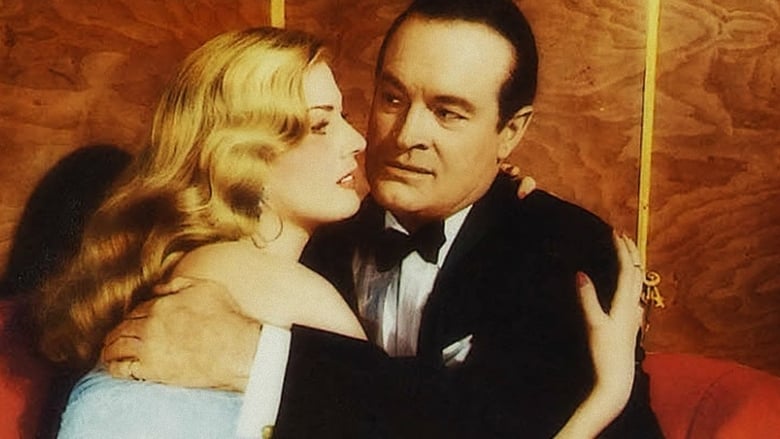
molecular-designs.comParis Holiday is a 1958 romantic comedy film starring Bob Hope and Fernandel. This light-hearted film takes viewers on a whirlwind tour of Paris as American comedian Bob Hunter and French comedian Fernandel navigate a series of comical misunderstandings and misadventures.   

A Tale of Mistaken Identity and International Intrigue

The film begins as Bob Hunter arrives in Paris to acquire the rights to a valuable screenplay. However, his plans are quickly derailed when he’s mistaken for a notorious criminal. Meanwhile, Fernandel, a bumbling French detective, is hot on his trail, adding to the chaos.   

To complicate matters further, a beautiful secret agent, played by Anita Ekberg, enters the picture. She believes that the screenplay contains vital information about a counterfeit ring and sets her sights on Bob. As the plot unfolds, the two comedians find themselves embroiled in a web of mistaken identities, mistaken intentions, and mistaken kisses.   

A Blend of Comedy and Romance

Paris Holiday is a classic fish-out-of-water comedy that capitalizes on the cultural differences between Americans and French. The film’s humor stems from the language barriers, cultural misunderstandings, and the hilarious antics of the two lead actors.

Beyond the comedy, the film also offers a romantic subplot as Bob develops feelings for a charming American woman, Ann McCall, played by Martha Hyer. Their budding romance provides a softer, more sentimental side to the film.   

A Cinematic Journey Through Paris

One of the film’s greatest strengths is its stunning cinematography, showcasing the beauty of Paris. The film captures the city’s iconic landmarks, charming streets, and romantic atmosphere. The breathtaking visuals, combined with the witty dialogue and comedic performances, make Paris Holiday a delightful cinematic experience.

A Timeless Classic

While Paris Holiday may not be considered a masterpiece of cinema, it remains a beloved classic that continues to entertain audiences. Its blend of humor, romance, and stunning visuals has ensured its enduring appeal. Whether you’re a fan of Bob Hope’s comedic genius or simply looking for a lighthearted and enjoyable film, Paris Holiday is a perfect choice.

The Sheriff of Fractured Jaw: A Fish-Out-of-Water Western Comedy

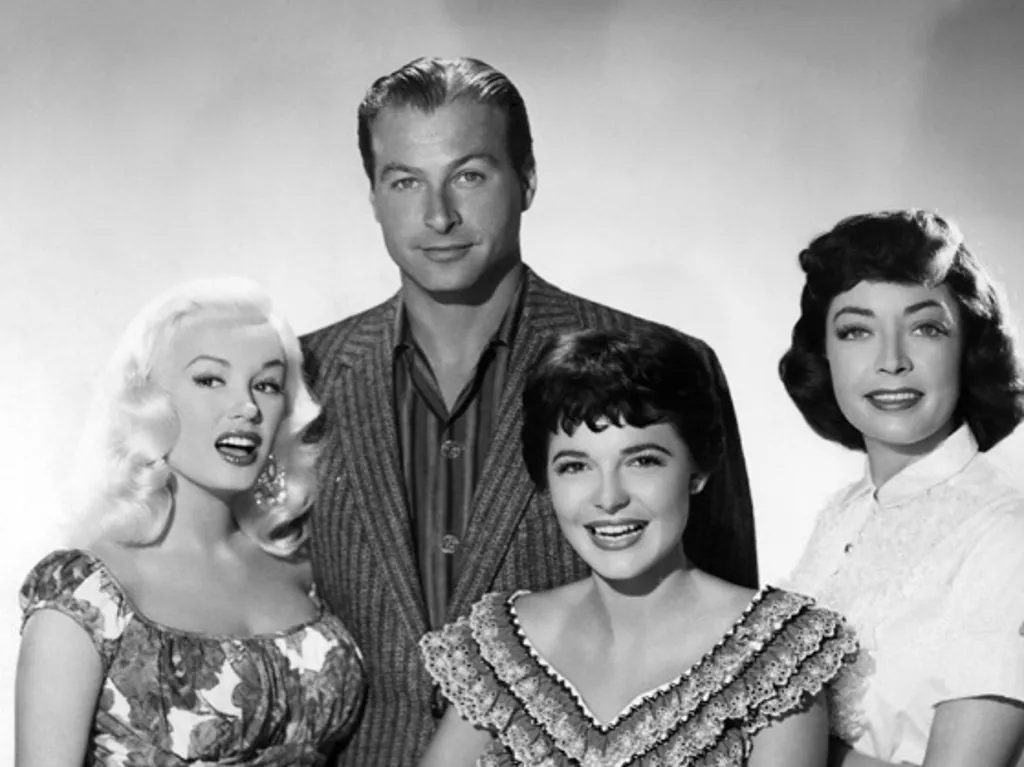
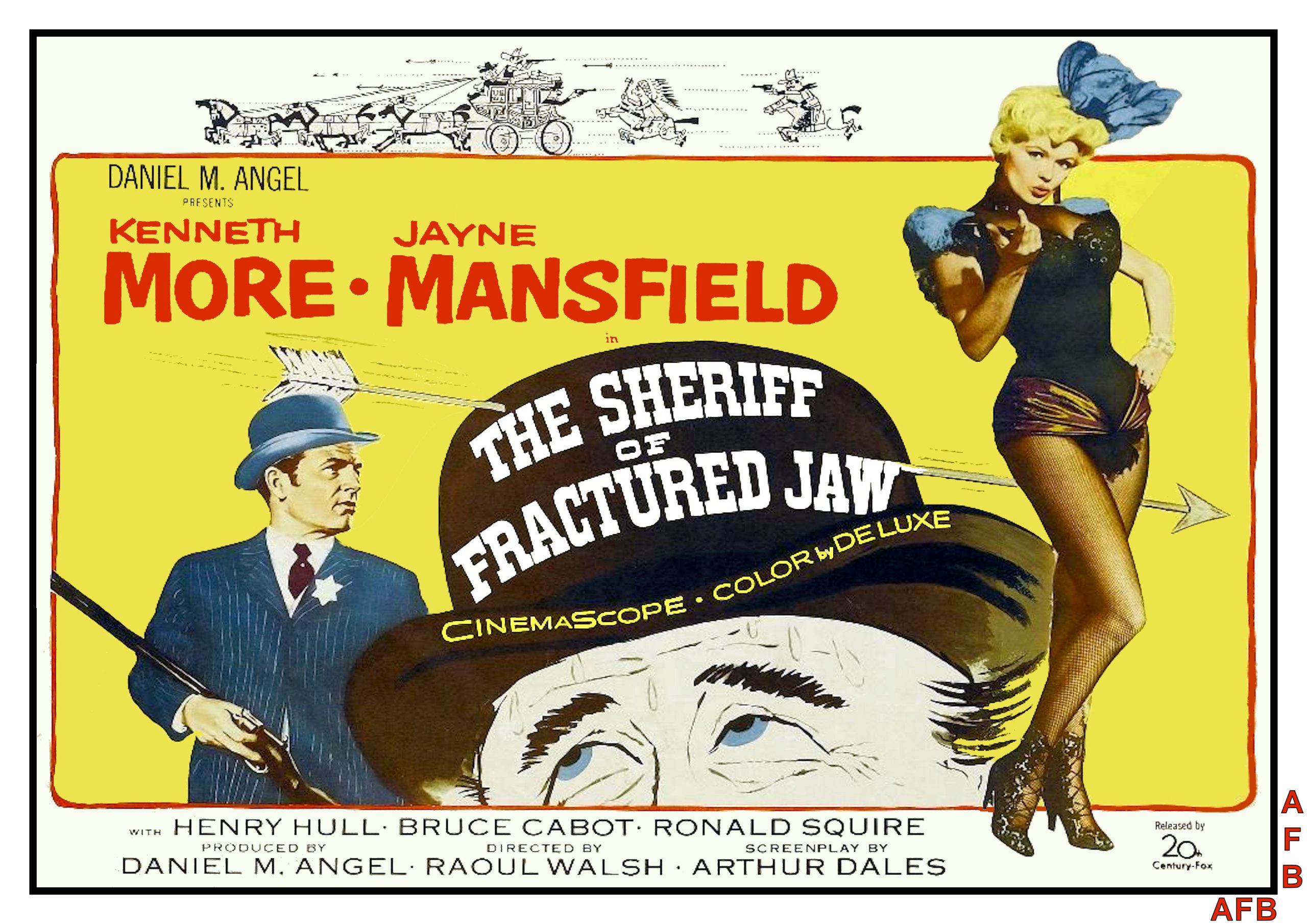
molecular-designs.com – The Sheriff of Fractured Jaw (1958) is a delightful Western comedy that blends the classic Western genre with British humor. Directed by Raoul Walsh and starring Kenneth More and Jayne Mansfield, the film tells the story of an English gentleman who finds himself unexpectedly thrust into the role of sheriff in a lawless frontier town.   

A Fish Out of Water

The film’s central character, Jonathan Tibbs (Kenneth More), is a refined and cultured Englishman who travels to the American West to sell firearms. However, a series of misadventures leads him to the rough-and-tumble town of Fractured Jaw, where he is mistaken for a legendary gunslinger. Despite his lack of experience with firearms and frontier life, Tibbs is appointed sheriff and tasked with bringing law and order to the chaotic town.   

A Romantic Comedy with a Western Twist

The film also features a romantic subplot between Tibbs and Kate (Jayne Mansfield), a feisty saloon owner. Their chemistry adds a touch of glamour and humor to the film, as they navigate the challenges of their budding relationship. Mansfield’s iconic beauty and comedic timing make her a standout in the film.   

A Unique Blend of Genres

The Sheriff of Fractured Jaw is a unique blend of Western and comedy genres. The film’s humor derives from the contrast between Tibbs’s gentlemanly demeanor and the rough-and-tumble world of the American West. The film’s witty dialogue and physical comedy, combined with its stunning Western landscapes, make it a truly entertaining experience.

A Timeless Classic

Despite being released over six decades ago, The Sheriff of Fractured Jaw remains a timeless classic. Its charming characters, witty humor, and stunning visuals continue to captivate audiences. The film’s exploration of themes such as identity, courage, and the importance of community resonates with viewers of all ages.

Why You Should Watch The Sheriff of Fractured Jaw

  • A Unique Blend of Genres: The film’s combination of Western and comedy elements creates a unique and entertaining viewing experience.
  • A Stellar Cast: Kenneth More and Jayne Mansfield deliver captivating performances.
  • Stunning Visuals: The film’s beautiful Western landscapes and stylish cinematography are a feast for the eyes.
  • A Timeless Story: The film’s themes of identity, courage, and community remain relevant today.

A Private’s Affair (1959): A Musical Comedy of Military Life

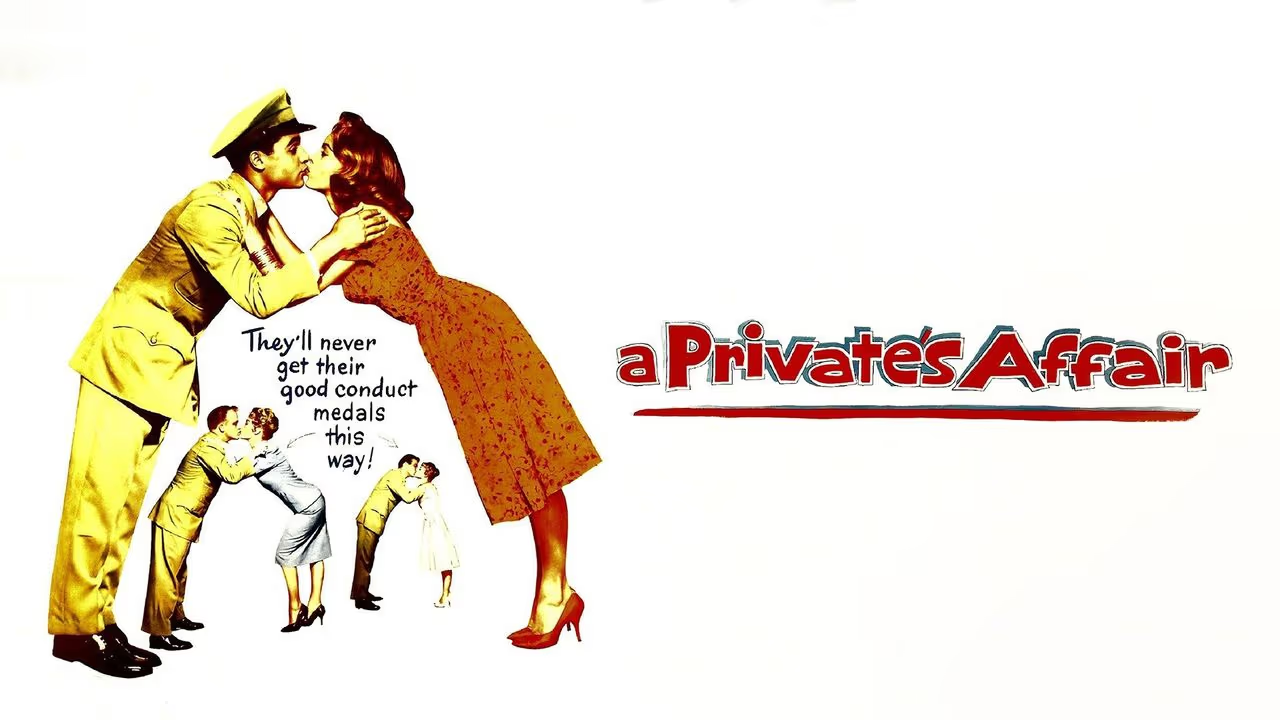
molecular-designs.com – “A Private’s Affair” is a 1959 musical comedy film directed by Raoul Walsh. This lighthearted movie offers a humorous and entertaining look at military life, infused with music, romance, and camaraderie. Set against the backdrop of an army base, the film captures the spirit of the late 1950s with its catchy tunes and charming performances.

Plot Overview

The film follows the misadventures of three young army privates who are more interested in chasing their dreams and romantic interests than focusing on their military duties. The central characters are:

  1. Luigi J. Maresi (played by Sal Mineo): An aspiring singer with dreams of making it big in the music industry.
  2. Jerry Morgan (played by Gary Crosby): A smooth-talking soldier with a knack for getting into trouble.
  3. Mike Conroy (played by Barry Coe): The level-headed friend trying to keep the group out of mischief.

The plot revolves around their attempts to win a talent contest, navigate army life, and pursue romantic relationships with the women they meet along the way. Their escapades lead to a series of comedic situations, misunderstandings, and musical interludes.

Setting and Cinematography

Set primarily on an army base, “A Private’s Affair” juxtaposes the rigidity of military life with the carefree aspirations of its young protagonists. The film’s cinematography captures the lively energy of the characters and the structured environment of army life, creating a dynamic visual experience.

Themes and Style

The film explores themes of friendship, ambition, and the pursuit of dreams amidst the constraints of military service. Its comedic style is characterized by playful banter, slapstick humor, and musical numbers that enhance the narrative. The story emphasizes the importance of camaraderie and following one’s passions, even in the face of obstacles.

Music and Performances

Music plays a central role in “A Private’s Affair,” with several musical numbers performed by the cast. Sal Mineo’s performances stand out, showcasing his talents as both an actor and a singer. The film’s soundtrack contributes to its upbeat and engaging atmosphere, capturing the essence of 1950s pop culture.

Reception and Legacy

Upon its release, “A Private’s Affair” received a positive reception for its entertaining blend of comedy and music. Audiences appreciated the film’s lighthearted approach to military life and its catchy musical numbers. While it may not be as well-known today, the film remains a delightful example of the musical comedies popular during its era.

Conclusion

“A Private’s Affair” is a charming musical comedy that offers a glimpse into the lighter side of military life in the 1950s. With its engaging performances, humorous storyline, and memorable music, the film continues to entertain audiences, serving as a nostalgic reminder of a bygone era in American cinema.

Exploring the Frontier Spirit in “The Awakening Land” (1978)

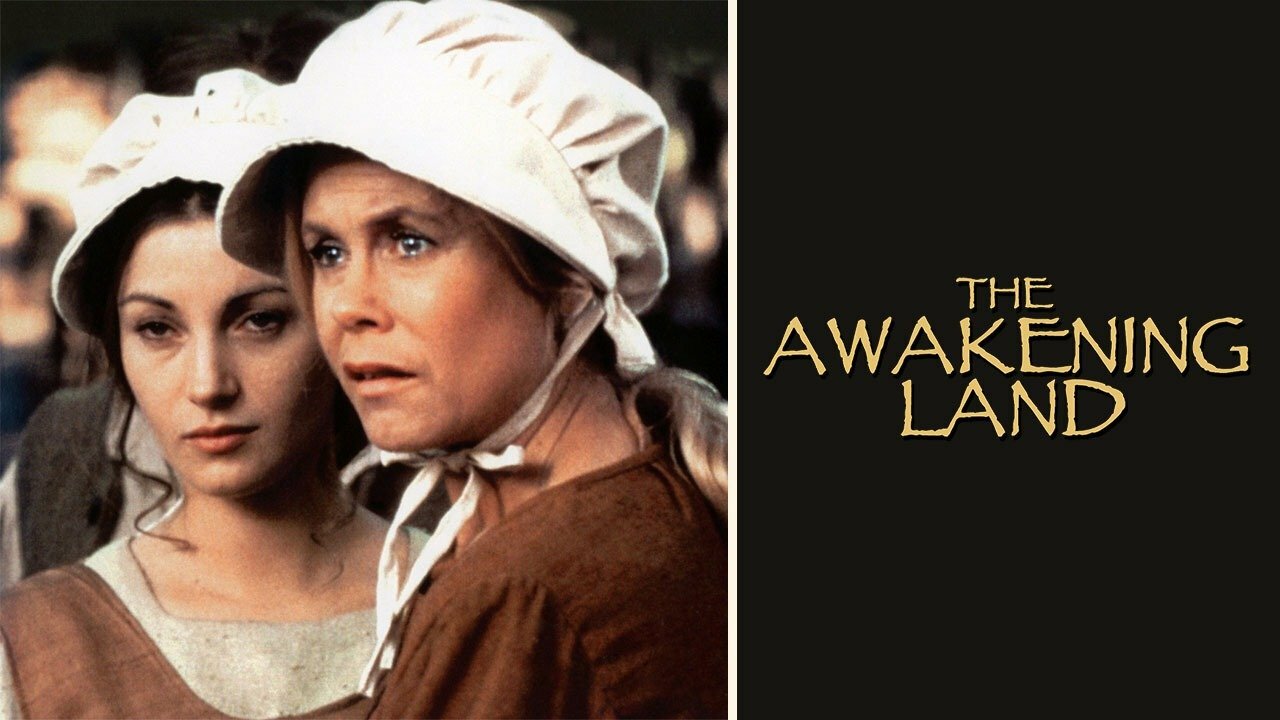
molecular-designs.com – “The Awakening Land” is a 1978 miniseries that brings to life the rugged and inspiring tale of early American pioneers. Based on the trilogy of novels by Conrad Richter, the miniseries presents a vivid portrayal of frontier life through the eyes of its strong-willed protagonist, Sayward Luckett Wheeler, played by Elizabeth Montgomery. This article delves into the narrative, characters, and historical context that make “The Awakening Land” a compelling portrayal of perseverance and resilience in the face of adversity.

Plot Overview

Set in the late 18th and early 19th centuries, “The Awakening Land” follows the journey of Sayward Luckett Wheeler, who, along with her family, leaves the settled areas of Pennsylvania to make a new home in the untamed wilderness of Ohio. The story chronicles the transformation of the land and its people as they confront the challenges of frontier life, including harsh weather, isolation, and the complexities of building a community from scratch.

Sayward’s character is central to the narrative, embodying the strength and determination required to survive and thrive in a new world. Her life is marked by significant personal and societal changes, reflecting the broader American experience of expansion and settlement.

Character Dynamics

Elizabeth Montgomery’s portrayal of Sayward Luckett Wheeler brings depth and nuance to the character, capturing her resilience and adaptability. Sayward’s relationships with her family, neighbors, and the land itself are pivotal to the story, illustrating the interconnectedness of personal and communal growth.

The supporting cast, including Hal Holbrook as Portius Wheeler, Sayward’s husband, adds layers of complexity to the narrative. Their dynamic showcases the evolving roles and expectations within family and society during this transformative period in American history.

Historical Context and Themes

“The Awakening Land” vividly depicts the historical context of westward expansion and the pioneer spirit that shaped the United States. The miniseries explores themes of survival, community, and the relentless pursuit of a better life, mirroring the broader national narrative of growth and development.

The series also touches upon the cultural and environmental impact of settlement, highlighting the interactions between settlers and the indigenous peoples, as well as the transformation of the natural landscape.

Conclusion

“The Awakening Land” stands as a powerful representation of frontier life and the indomitable spirit of early American settlers. Through its rich storytelling and compelling performances, the miniseries captures the essence of a pivotal era in American history. Elizabeth Montgomery’s portrayal of Sayward Luckett Wheeler serves as a tribute to the strength and perseverance of those who helped shape the nation, making “The Awakening Land” a timeless and inspiring viewing experience for audiences interested in historical drama and the pioneering spirit.

The Bicycle Thief: A Landmark of Italian Neorealism

molecular-designs.com – “The Bicycle Thief” (originally “Ladri di biciclette”), directed by Vittorio De Sica in 1948, stands as one of the most influential films in the history of cinema. This Italian neorealistic masterpiece is celebrated for its profound storytelling, emotional depth, and its stark portrayal of post-war Italy. The film captures the essence of human struggle and the socio-economic challenges faced by ordinary people in the aftermath of World War II.

Plot Summary

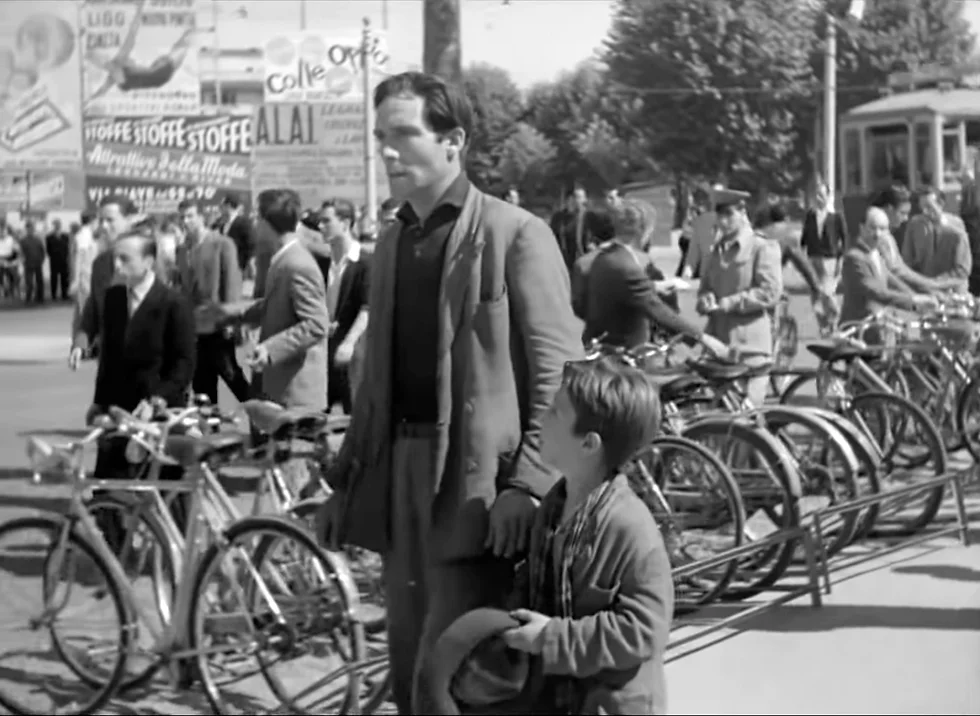
Set in the poverty-stricken streets of Rome, “The Bicycle Thief” follows the story of Antonio Ricci, an unemployed man who finally secures a job putting up posters around the city. The job, however, requires a bicycle, which Antonio has recently pawned. In a desperate effort to provide for his family, he retrieves his bicycle, only for it to be stolen on his first day at work. The film follows Antonio and his young son, Bruno, as they embark on a desperate quest to recover the stolen bicycle, which is crucial for Antonio’s employment and his family’s survival.

Themes and Style

Vittorio De Sica employs a neorealistic style to bring authenticity and raw emotion to the film. Shot on location in Rome with non-professional actors, the film creates a powerful sense of realism. The use of real urban settings and the focus on everyday struggles highlight the socio-economic issues of the time.

One of the central themes of “The Bicycle Thief” is the dignity and despair of the working class. Antonio’s search for his bicycle becomes a metaphor for the struggle to maintain dignity and hope in the face of adversity. The film poignantly captures the bond between father and son, showcasing their relationship as a source of strength and vulnerability.

Impact and Legacy

“The Bicycle Thief” has left an indelible mark on cinema, influencing generations of filmmakers and audiences worldwide. Its realistic portrayal of life and its emotional depth have made it a timeless classic. The film won an Honorary Academy Award for Best Foreign Language Film and is frequently listed among the greatest films ever made.

The film’s impact extends beyond its cinematic achievements. It brought international attention to the Italian neorealist movement, which sought to depict everyday life with authenticity and social consciousness. This movement inspired filmmakers around the world to explore themes of social justice and realism in their work.

Conclusion

“The Bicycle Thief” remains a poignant and powerful film that continues to resonate with audiences today. Its exploration of human resilience, societal challenges, and the bonds of family makes it a timeless masterpiece. Vittorio De Sica’s film serves as a reminder of the enduring power of cinema to reflect and shape our understanding of the world.

Splendor in the Grass (1961): A Tale of Youth, Love, and Tragedy

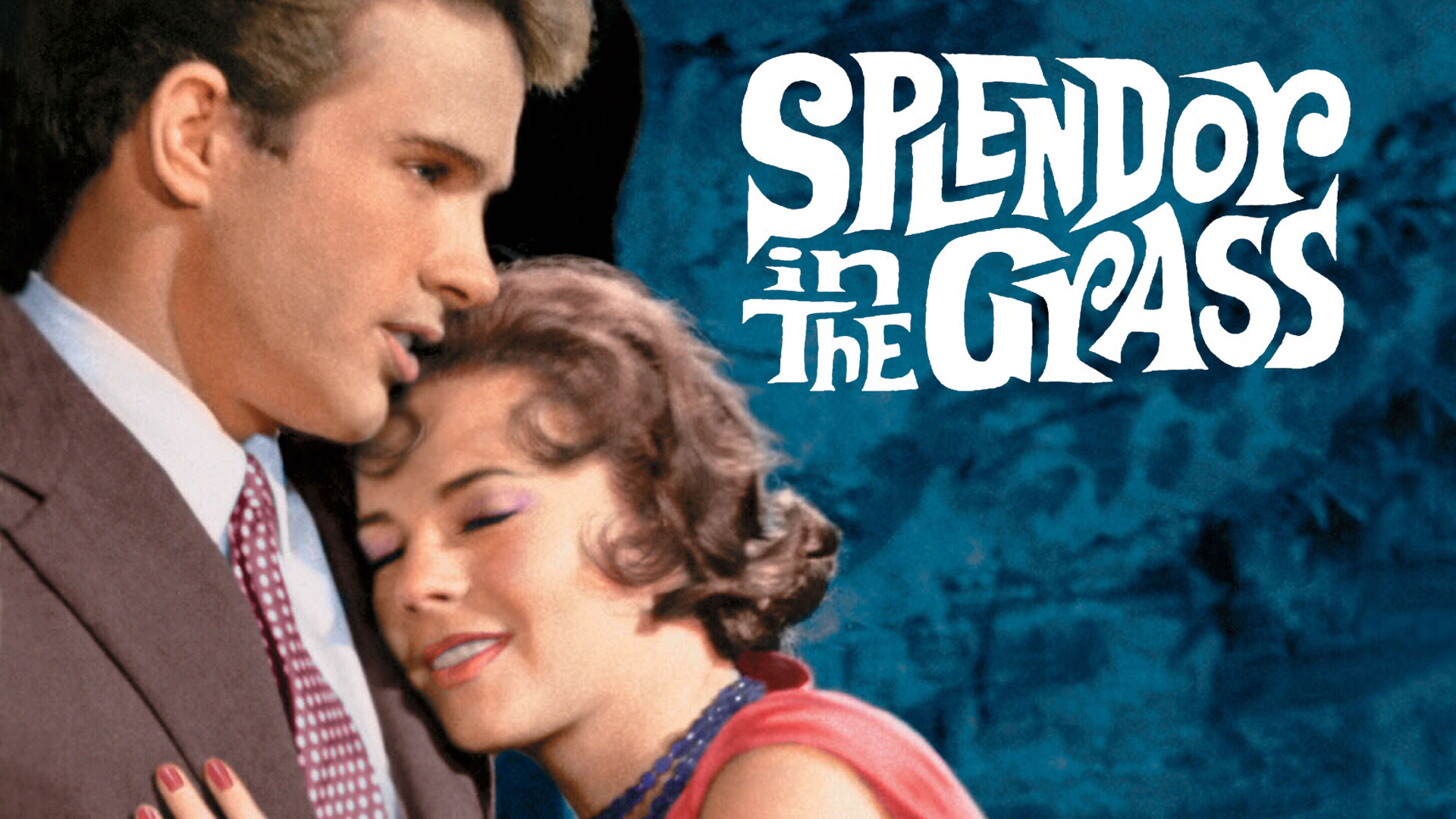
molecular-designs.com – “Splendor in the Grass” is a 1961 American drama film that has left an indelible mark on the cinematic landscape. Directed by Elia Kazan and written by William Inge, the film explores themes of love, repression, and the impact of societal norms on young individuals. It stars Natalie Wood and Warren Beatty in a compelling narrative that delves into the complexities of adolescent emotions and societal expectations during the late 1920s.

Plot Overview

The film is set in a small town in Kansas and follows the tumultuous relationship between two teenagers, Deanie Loomis (Natalie Wood) and Bud Stamper (Warren Beatty). As high school sweethearts, their love is intense but fraught with the pressures of their families and the conservative society they live in. Deanie is deeply in love with Bud, but their relationship becomes strained due to the societal expectations of chastity and the conflicting desires that come with adolescence.

Themes and Analysis

“Splendor in the Grass” tackles the theme of repression head-on, highlighting how societal and familial pressures can lead to emotional turmoil. Deanie’s struggle with her emotions and the ensuing mental breakdown is a poignant depiction of the consequences of suppressing one’s desires. The film also addresses the theme of lost innocence, as both Deanie and Bud navigate the transition from youthful idealism to the harsh realities of adult life.

The film’s title is derived from a poem by William Wordsworth, which underscores the idea of finding hope and beauty amidst loss and heartache. This poetic reference adds a layer of depth to the narrative, emphasizing the resilience of the human spirit.

Performances and Direction

Natalie Wood delivers a powerful performance as Deanie, capturing the character’s vulnerability and inner conflict with remarkable subtlety. Warren Beatty, in his film debut, portrays Bud with a blend of charm and complexity, making him a relatable and sympathetic character. Elia Kazan’s direction ensures that the film maintains a balance between its emotional intensity and its critique of societal norms.

Cultural Impact

Upon its release, “Splendor in the Grass” was both a critical and commercial success, earning several Academy Award nominations and winning the Oscar for Best Original Screenplay. The film’s exploration of taboo subjects such as sexuality and mental health was groundbreaking for its time, contributing to its lasting influence on American cinema.

Conclusion

“Splendor in the Grass” remains a poignant exploration of youthful love and the societal constraints that shape and often stifle it. Its timeless themes continue to resonate with audiences, making it a classic film that speaks to the universal experiences of love, loss, and the quest for identity.

Niagara (1953): A Thrilling Masterpiece of Suspense & Seduction

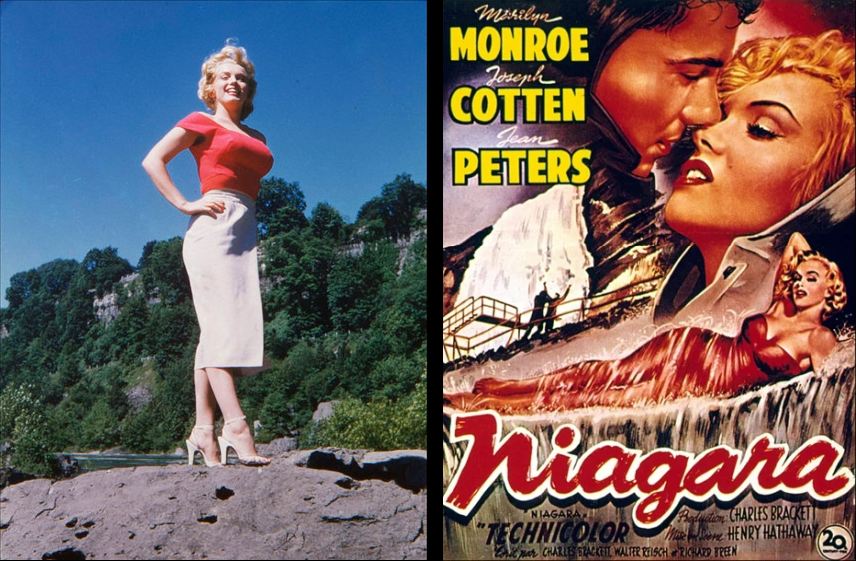
molecular-designs.com – “Niagara” is a 1953 American film noir thriller that stands out for its dramatic portrayal of suspense and intrigue. Directed by Henry Hathaway, this film features a stellar cast including Marilyn Monroe, Joseph Cotten, and Jean Peters. Released by 20th Century Fox, “Niagara” is renowned for its breathtaking cinematography and Monroe’s iconic performance, which solidified her status as a major Hollywood star.

Plot Overview

The film is set against the stunning backdrop of Niagara Falls, a symbol of both natural beauty and latent danger. “Niagara” tells the story of two couples on vacation: Ray and Polly Cutler, and Rose and George Loomis. The Cutlers, played by Jean Peters and Casey Adams, are on a belated honeymoon, while the Loomises, portrayed by Marilyn Monroe and Joseph Cotten, are struggling with a tumultuous marriage.

As the narrative unfolds, it becomes clear that Rose is plotting to murder her unstable husband, George, with the help of her lover. The film expertly weaves together elements of passion, betrayal, and suspense, keeping audiences on the edge of their seats as the plot builds to a dramatic climax.

Marilyn Monroe’s Iconic Performance

In “Niagara,” Marilyn Monroe delivers a compelling performance as Rose Loomis, a seductive and manipulative femme fatale. Her portrayal of Rose showcases Monroe’s ability to embody complex characters, blending allure with a sense of danger. This role was pivotal in establishing Monroe as a serious actress, moving beyond her earlier comedic roles to demonstrate her dramatic range.

Cinematic Brilliance

Henry Hathaway’s direction in “Niagara” is marked by its use of the stunning natural scenery as a metaphor for the film’s underlying tensions. The cinematography by Joseph MacDonald captures the majestic yet ominous presence of Niagara Falls, enhancing the film’s atmosphere of suspense. Hathaway’s skillful use of color and shadow adds depth to the narrative, creating a visually captivating experience.

Cultural Impact

“Niagara” was released during a time when film noir was a popular genre, known for its exploration of moral ambiguity and psychological complexity. The film’s innovative use of its natural setting, combined with its intense storyline, set it apart from other thrillers of the era. Monroe’s performance also contributed significantly to her rising fame, establishing her as a symbol of both glamour and talent.

Conclusion

“Niagara” remains a classic film that continues to captivate audiences with its thrilling plot and stunning visuals. Its legacy is marked by Marilyn Monroe’s unforgettable performance and the film’s masterful blend of suspense and seduction. As viewers revisit this cinematic gem, they are reminded of the enduring power of film noir and the timeless allure of classic Hollywood storytelling.

Shutter (2004): Guilt and Supernatural Retribution

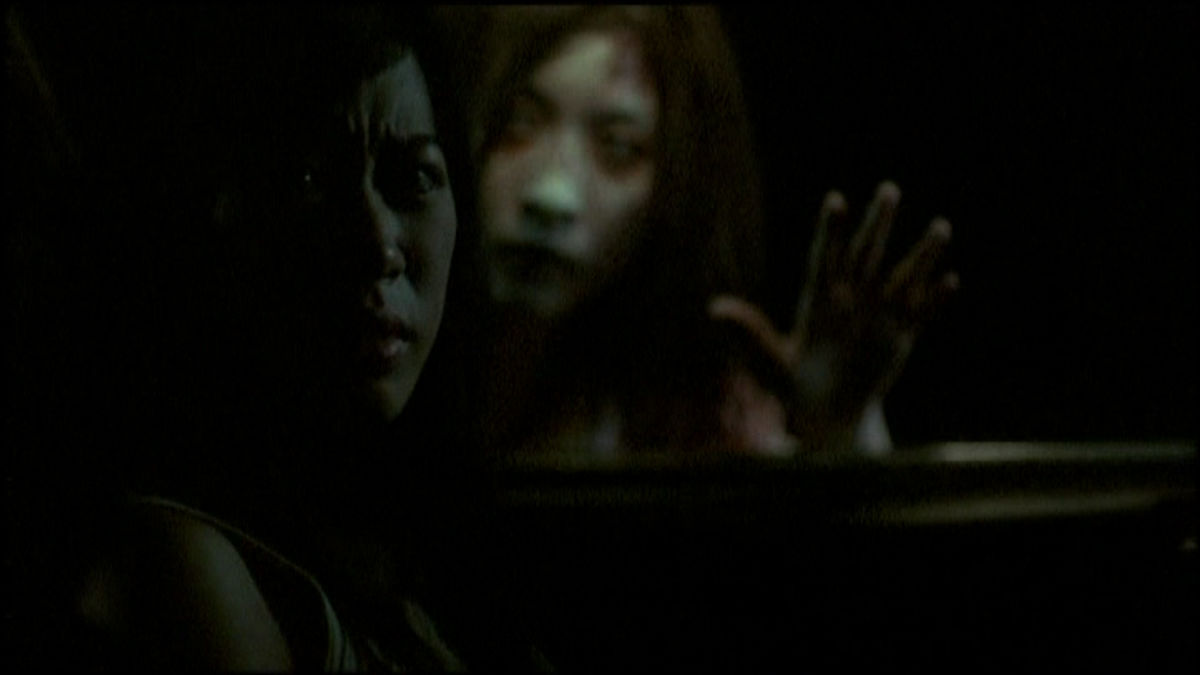
molecular-designs.com – “Shutter,” a 2004 Thai horror film directed by Banjong Pisanthanakun and Parkpoom Wongpoom, is a haunting tale that combines psychological and supernatural elements to create an unforgettable cinematic experience. This film has garnered praise for its innovative use of photography as a narrative device, while also exploring deeper themes of guilt and retribution.

Plot Overview

The story follows a young photographer named Tun and his girlfriend, Jane, who, after a tragic hit-and-run accident, begin to experience eerie occurrences. Tun’s photographs start to reveal ghostly images that hint at a sinister presence. As the plot unfolds, it becomes clear that these apparitions are linked to the accident, and an ominous truth about Tun’s past begins to emerge.

Themes and Analysis

The Role of Photography

Photography in “Shutter” serves as a metaphor for uncovering hidden truths and confronting one’s past. The images captured by Tun’s camera are not just spectral manifestations but also reflections of his inner guilt and unresolved conflicts. This unique use of photography enhances the film’s narrative complexity and adds a layer of psychological depth.

Guilt and Consequences

At its core, “Shutter” is a story about the inescapable nature of guilt and the consequences of one’s actions. The supernatural elements serve as a catalyst for the characters to face their moral shortcomings. The film suggests that no matter how deeply one tries to bury the past, it will eventually resurface, demanding retribution.

Cinematic Techniques

“Shutter” is renowned for its effective use of suspense and atmosphere. The directors employ a variety of techniques, such as subtle visual cues and an unsettling sound design, to build tension and keep the audience on edge. The film’s pacing is deliberate, allowing the suspense to develop naturally and making the horror moments all the more impactful.

Impact and Legacy

Upon its release, “Shutter” received critical acclaim and became a significant entry in the horror genre. Its success led to several remakes and adaptations worldwide, including a Hollywood version in 2008. The film’s ability to blend traditional horror with psychological drama has influenced many subsequent works, cementing its status as a classic in Asian cinema.

Conclusion

“Shutter” (2004) is more than just a horror film; it’s a profound exploration of human emotions and the consequences of past actions. Through its innovative use of photography and its chilling narrative, the film challenges viewers to consider the darker aspects of human nature and the haunting power of unresolved guilt.

The Assassin (2015): A Masterpiece of Cinematic Art

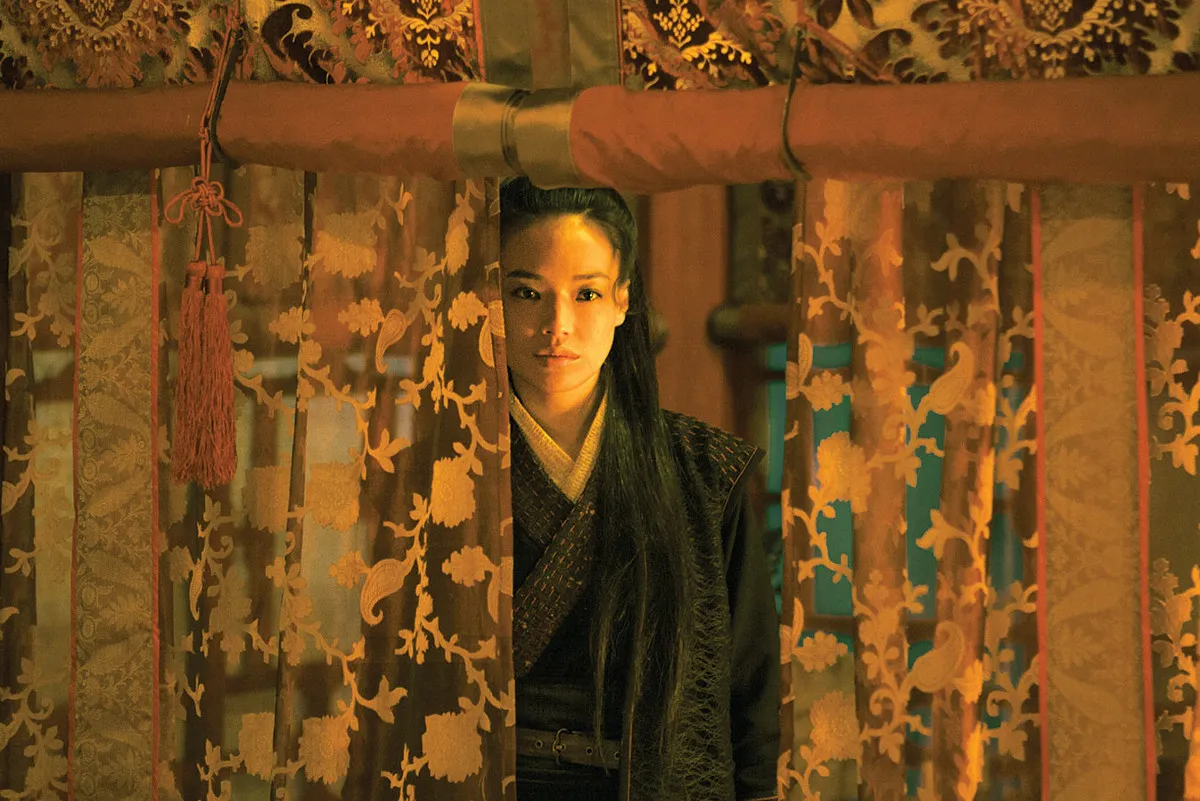
molecular-designs.com – “The Assassin” (2015) is a critically acclaimed wuxia film directed by Hou Hsiao-Hsien. It stars Shu Qi, Chang Chen, and Zhou Yun. The film is renowned for its exquisite cinematography, minimalist storytelling, and unique approach to the martial arts genre, distinguishing itself as a masterpiece of cinematic art.

Plot Overview

Set during the Tang Dynasty in 9th-century China, “The Assassin” follows the story of Nie Yinniang (Shu Qi), a highly skilled assassin who is tasked with killing a powerful military governor, Tian Ji’an (Chang Chen), who also happens to be her cousin and former betrothed. The film explores Yinniang’s internal conflict as she grapples with her duty as an assassin and her personal emotions.

Themes and Symbolism

“The Assassin” delves into themes of loyalty, duty, and personal morality. The film contrasts the serenity of nature with the chaos of human conflict, using long takes and natural lighting to emphasize the tranquility and beauty of its settings. The narrative is sparse and contemplative, allowing viewers to immerse themselves in the emotional and ethical dilemmas faced by the protagonist.

Visual Style

The film is celebrated for its breathtaking cinematography by Mark Lee Ping-Bin. Each frame is meticulously composed, utilizing natural landscapes and traditional Chinese architecture to create a visually stunning experience. The use of long shots and restrained camera movement emphasizes the film’s meditative quality, inviting audiences to reflect on the unfolding events.

Impact and Reception

“The Assassin” received widespread acclaim at its premiere at the Cannes Film Festival, where Hou Hsiao-Hsien won the Best Director award. Critics praised the film for its artistic direction and departure from conventional wuxia tropes. While its slow pace and minimal dialogue may challenge some viewers, it has been lauded as a profound and immersive cinematic experience.

Conclusion

“The Assassin” stands out as a unique interpretation of the wuxia genre, offering a poetic and introspective look at the life of an assassin. Its emphasis on visual storytelling and emotional depth makes it a significant contribution to world cinema, continuing to captivate audiences with its elegance and artistry.

The Empire Strikes Back: A Cinematic Masterpiece

molecular-designs.com – Released in 1980, “The Empire Strikes Back,” directed by Irvin Kershner, is the second installment of the original Star Wars trilogy and is widely regarded as one of the greatest sequels in film history. Following the monumental success of “A New Hope,” this film delves deeper into the Star Wars universe, offering a darker and more complex narrative that expands on the beloved characters and their struggles against the oppressive Galactic Empire.

Plot and Character Development

Set three years after the events of “A New Hope,” “The Empire Strikes Back” begins with the Rebel Alliance in hiding from the Empire’s relentless pursuit. The film opens on the icy planet of Hoth, where the Rebels have established a secret base. The story quickly unfolds as the Empire discovers their location, leading to a dramatic battle that forces the Rebels to flee.

The film follows multiple storylines: Luke Skywalker travels to the swampy planet of Dagobah to train under the wise Jedi Master Yoda, seeking to become a Jedi and better understand the Force. Meanwhile, Han Solo and Princess Leia, along with Chewbacca and C-3PO, evade capture from the Empire, eventually seeking refuge in the Cloud City of Bespin, only to face betrayal and capture by Darth Vader.

This installment is renowned for its character development, particularly Luke’s growth as he confronts the realities of his lineage and his internal struggles. The film’s iconic revelation—that Darth Vader is Luke’s father—stands as one of the most memorable moments in cinematic history.

Iconic Themes and Visuals

“The Empire Strikes Back” is celebrated for its deeper exploration of themes such as identity, destiny, and the complexity of good versus evil. The film’s darker tone is complemented by its stunning visual effects and innovative set design, which bring to life diverse environments like the frozen landscapes of Hoth, the mystical swamps of Dagobah, and the futuristic aesthetics of Cloud City.

The film also features a powerful score by John Williams, whose compositions enhance the emotional depth and tension throughout the narrative. The “Imperial March,” introduced in this film, has become synonymous with the presence of Darth Vader and the looming threat of the Empire.

Legacy and Impact

“The Empire Strikes Back” was initially met with mixed reviews, but it has since become a critical and fan favorite, often cited as the best film in the Star Wars saga. Its complex storytelling, character depth, and visual innovations have left a lasting impact on the science fiction genre and filmmaking as a whole.

The film’s legacy is evident in its influence on subsequent Star Wars films and its enduring popularity among fans. It set a high standard for sequels, proving that they could build upon and even surpass their predecessors in narrative richness and thematic exploration.

Conclusion

“The Empire Strikes Back” remains a cornerstone of the Star Wars franchise, celebrated for its compelling story, rich character development, and groundbreaking visual effects. Its exploration of the darker aspects of heroism and the enduring struggle against tyranny resonate with audiences, reinforcing its status as a cinematic masterpiece. As a pivotal chapter in the Star Wars epic, the film continues to inspire and captivate fans across generations.