molecular-designs.com – Arsenic is a naturally occurring element that is widely distributed in the Earth’s crust. It is found in various forms in the environment, including in the air, water, and soil. While arsenic is essential for certain industrial processes, its presence in the air poses significant health risks to humans. This article explores the sources of arsenic in the air and its associated health effects.
Sources of Arsenic in the Air
Natural Sources
Arsenic is naturally present in the Earth’s crust and can be released into the air through natural processes such as volcanic eruptions and weathering of rocks. These processes contribute to the background levels of arsenic in the atmosphere.
Anthropogenic Sources
Human activities are the primary contributors to elevated levels of arsenic in the air. Key sources include:
- Industrial Emissions: Arsenic is used in various industrial processes, including the production of glass, pigments, textiles, paper, and wood preservatives. Emissions from these industries can release arsenic into the air.
- Mining and Smelting: Activities related to mining and smelting of ores containing arsenic can release significant amounts of arsenic into the atmosphere.
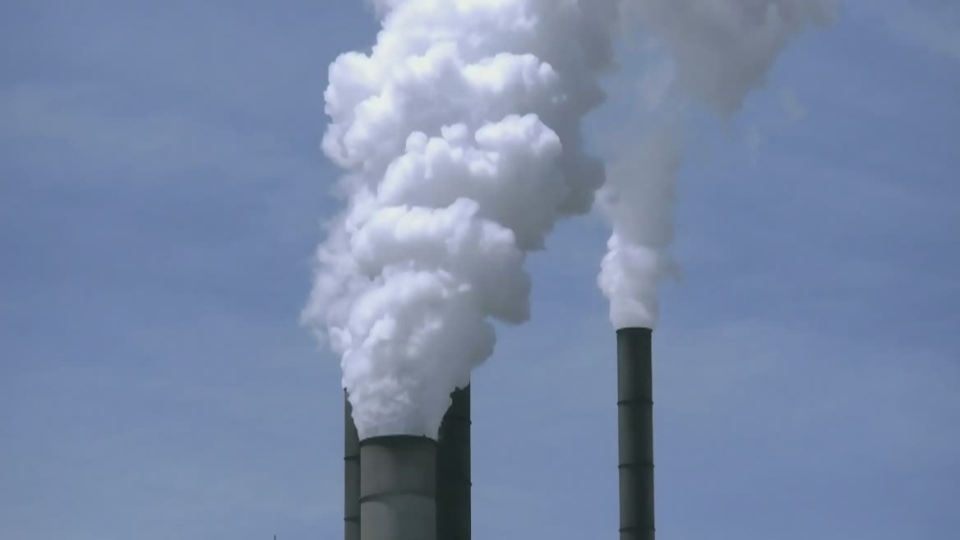
- Coal-Fired Power Plants: The combustion of coal, which often contains arsenic, releases arsenic into the air as a byproduct of energy production.
- Agricultural Practices: The use of arsenic-based pesticides and fertilizers can lead to the release of arsenic into the air through volatilization and dust.
- Waste Incineration: The incineration of waste materials, including those containing arsenic, can release arsenic into the air.
Health Effects of Arsenic in the Air
Acute Exposure
Short-term exposure to high levels of arsenic in the air can lead to acute poisoning. Symptoms of acute arsenic poisoning include:
- Vomiting
- Abdominal pain
- Diarrhea
- Numbness and tingling in the extremities
- Muscle cramping
- In severe cases, death
Chronic Exposure
Long-term exposure to lower levels of arsenic in the air can have more insidious health effects. These include:
- Cancer: Arsenic is classified as a carcinogen by the International Agency for Research on Cancer (IARC). Chronic exposure to arsenic is associated with an increased risk of skin, bladder, and lung cancers.
- Respiratory Issues: Inhaling arsenic can lead to respiratory problems, including chronic obstructive pulmonary disease (COPD) and lung function impairment.
- Cardiovascular Disease: Long-term exposure to arsenic has been linked to cardiovascular diseases, including hypertension and myocardial infarction.
- Neurological Effects: Arsenic exposure can affect the nervous system, leading to cognitive decline, memory problems, and other neurological disorders.
- Reproductive and Developmental Effects: Exposure to arsenic during pregnancy can lead to adverse pregnancy outcomes, including low birth weight and infant mortality. Children exposed to arsenic in utero or during early childhood may experience developmental delays and increased mortality in young adulthood.
Conclusion
Arsenic in the air is a significant environmental and public health concern. Its sources are diverse, ranging from natural processes to human activities, and its health effects can be severe, affecting multiple organ systems. Efforts to reduce arsenic emissions and exposure are crucial for protecting public health.