Gyeran Mari: The Art of Korean Rolled Omelette

molecular-designs.com – Gyeran Mari, a staple in Korean cuisine, is a delightful rolled omelette that is both simple to make and full of flavor. Often served as a side dish, it is a favorite in lunchboxes and bento-style meals. Its versatility and ease of preparation make it a beloved dish in Korean households.

Origin and Cultural Significance

Gyeran Mari, which translates to “rolled eggs,” has its roots deeply embedded in Korean culinary traditions. It is commonly enjoyed during breakfast, as a banchan (side dish), or as a snack. The dish embodies the essence of Korean home-cooking, emphasizing simplicity, flavor, and the use of fresh ingredients.

Ingredients and Variations

The basic ingredients for Gyeran Mari include eggs, salt, and oil. However, its beauty lies in its adaptability. Common additions include finely chopped vegetables such as carrots, green onions, and bell peppers. Some variations may include ham, cheese, or seafood, offering a variety of flavors and textures.

Preparation Method

  1. Whisking the Eggs: Start by cracking the eggs into a bowl, adding a pinch of salt, and whisking them until they are well combined. For a fluffier texture, some people add a splash of milk or water.
  2. Preparing the Filling: Finely chop the desired vegetables and other fillings. Sauté them lightly to soften and enhance their flavors.
  3. Cooking the Omelette: Heat a non-stick pan over medium heat and add a little oil. Pour a thin layer of the egg mixture into the pan, swirling to coat the bottom. Once the eggs are partially set, sprinkle a portion of the filling evenly over the surface.
  4. Rolling Technique: Using a spatula, gently roll the omelette from one side to the other. Push the rolled omelette to one side of the pan, then pour another layer of egg mixture into the pan and repeat the process until all the egg mixture is used up.
  5. Final Touches: Once the omelette is fully rolled, allow it to cook for another minute to ensure it is cooked through. Transfer it to a cutting board and let it cool slightly before slicing it into bite-sized pieces.

Serving Suggestions

Gyeran Mari is best served warm or at room temperature. It makes an excellent addition to a Korean meal, complementing rice and other side dishes. It can also be enjoyed on its own as a light snack or appetizer. For a visually appealing presentation, consider garnishing with sesame seeds or fresh herbs.

Conclusion

Gyeran Mari is more than just a rolled omelette; it is a testament to the elegance of Korean home cooking. Its simplicity, versatility, and delightful taste make it a cherished dish that can be enjoyed by people of all ages. Whether you’re a novice cook or a seasoned chef, Gyeran Mari offers a wonderful opportunity to explore the flavors of Korea in your kitchen.

The Assassin (2015): A Masterpiece of Cinematic Art

molecular-designs.com – “The Assassin” (2015) is a critically acclaimed wuxia film directed by Hou Hsiao-Hsien. It stars Shu Qi, Chang Chen, and Zhou Yun. The film is renowned for its exquisite cinematography, minimalist storytelling, and unique approach to the martial arts genre, distinguishing itself as a masterpiece of cinematic art.

Plot Overview

Set during the Tang Dynasty in 9th-century China, “The Assassin” follows the story of Nie Yinniang (Shu Qi), a highly skilled assassin who is tasked with killing a powerful military governor, Tian Ji’an (Chang Chen), who also happens to be her cousin and former betrothed. The film explores Yinniang’s internal conflict as she grapples with her duty as an assassin and her personal emotions.

Themes and Symbolism

“The Assassin” delves into themes of loyalty, duty, and personal morality. The film contrasts the serenity of nature with the chaos of human conflict, using long takes and natural lighting to emphasize the tranquility and beauty of its settings. The narrative is sparse and contemplative, allowing viewers to immerse themselves in the emotional and ethical dilemmas faced by the protagonist.

Visual Style

The film is celebrated for its breathtaking cinematography by Mark Lee Ping-Bin. Each frame is meticulously composed, utilizing natural landscapes and traditional Chinese architecture to create a visually stunning experience. The use of long shots and restrained camera movement emphasizes the film’s meditative quality, inviting audiences to reflect on the unfolding events.

Impact and Reception

“The Assassin” received widespread acclaim at its premiere at the Cannes Film Festival, where Hou Hsiao-Hsien won the Best Director award. Critics praised the film for its artistic direction and departure from conventional wuxia tropes. While its slow pace and minimal dialogue may challenge some viewers, it has been lauded as a profound and immersive cinematic experience.

Conclusion

“The Assassin” stands out as a unique interpretation of the wuxia genre, offering a poetic and introspective look at the life of an assassin. Its emphasis on visual storytelling and emotional depth makes it a significant contribution to world cinema, continuing to captivate audiences with its elegance and artistry.

Art and Culture in Chicago: A City of Creativity

molecular-designs.com – Chicago, Illinois, is a city renowned for its rich cultural tapestry and vibrant art scene. From its iconic architecture to its world-class museums, Chicago is a thriving hub of creativity that attracts artists, performers, and art enthusiasts from around the globe. This dynamic city offers a diverse array of cultural experiences that reflect its storied history and multicultural population.

Iconic Architecture and Public Art

Chicago’s skyline is a testament to its innovative spirit and architectural prowess. The city is home to groundbreaking structures designed by legendary architects like Frank Lloyd Wright and Ludwig Mies van der Rohe. The architectural landscape is complemented by an impressive collection of public art, including the famous “Cloud Gate” (affectionately known as “The Bean”) by Anish Kapoor in Millennium Park. These iconic pieces contribute to the city’s identity and offer residents and visitors an opportunity to engage with art in everyday spaces.

World-Class Museums and Galleries

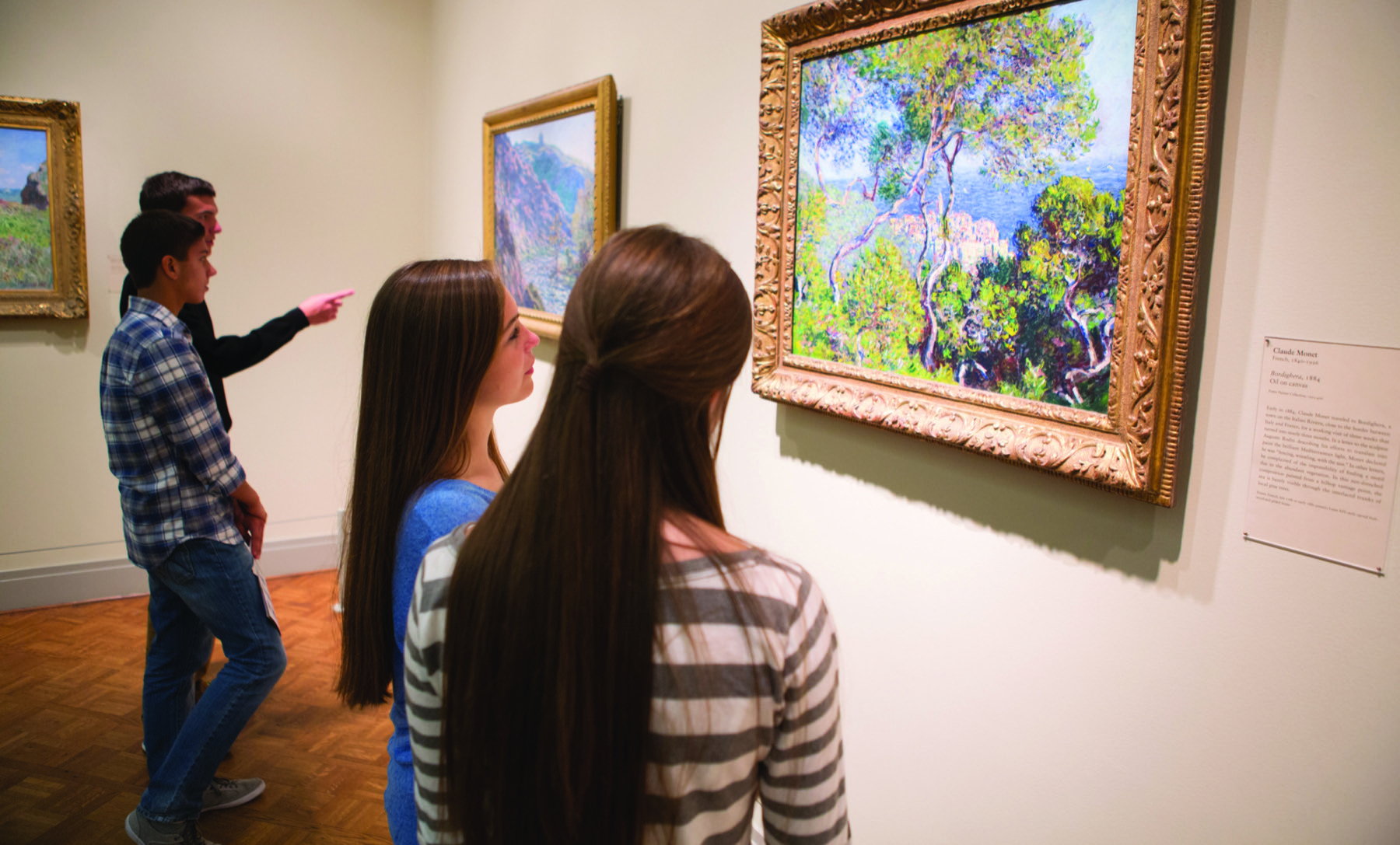
Chicago’s museums are among the finest in the world, offering a wide range of artistic and cultural experiences. The Art Institute of Chicago, with its vast collection of works spanning centuries and continents, is a must-visit for art lovers. The Museum of Contemporary Art showcases cutting-edge works from both established and emerging artists, reflecting the dynamic nature of contemporary art. In addition to these major institutions, the city is home to numerous galleries that support local artists and foster creative dialogue.

A Thriving Theater and Music Scene

Chicago’s cultural landscape is enriched by its vibrant theater and music scene. The city is known for its thriving theater district, which hosts acclaimed productions and performances. The legendary Second City improv theater has launched the careers of countless comedians and actors, contributing to Chicago’s reputation as a comedy capital. In music, Chicago’s influence is undeniable, with deep roots in blues, jazz, and house music. The city’s music festivals, such as Lollapalooza and the Chicago Blues Festival, draw audiences from around the world.

Celebrating Diversity Through Cultural Festivals

Chicago’s diversity is celebrated through a multitude of cultural festivals that highlight the city’s rich heritage. Events like the Chicago Cultural Center’s World Music Festival and the Chicago Latino Film Festival showcase the diverse cultural traditions that make up the city’s vibrant community. These festivals provide a platform for artists from various backgrounds to share their stories and connect with audiences, fostering a sense of unity and understanding.

Conclusion

Art and culture are integral to the fabric of Chicago, making it a city of creativity and innovation. With its iconic architecture, world-class museums, dynamic theater and music scene, and diverse cultural festivals, Chicago offers a rich tapestry of experiences that inspire and captivate. As the city continues to evolve, its commitment to fostering creativity and celebrating diversity ensures that Chicago remains a beacon of art and culture on the global stage.

Art and Culture in San Jose: A Community of Creativity

molecular-designs.com – San Jose, the heart of Silicon Valley, is renowned for its technological innovation and dynamic economy. However, beyond its tech-centric reputation, San Jose is also a flourishing hub of art and culture. This article explores the vibrant creative community that defines the city’s artistic landscape.

A Thriving Arts Scene

San Jose’s arts scene is diverse and dynamic, offering something for everyone. The San Jose Museum of Art, located downtown, showcases contemporary and modern art from both local and international artists. The museum’s exhibitions highlight a wide range of artistic styles and mediums, making it a cultural cornerstone of the city.

Public Art and Urban Expression

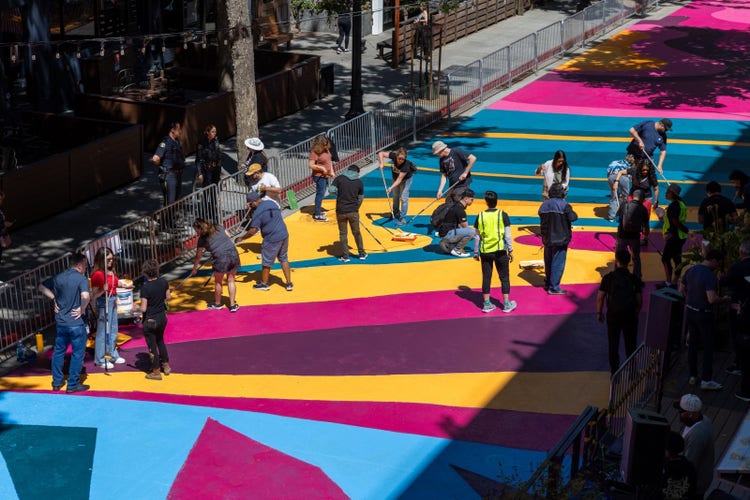
The city is also known for its impressive collection of public art. Walking through the streets of San Jose, you’ll encounter an array of murals, sculptures, and installations that reflect the community’s spirit and creativity. The San Jose Public Art Program plays a crucial role in integrating art into public spaces, enhancing the city’s aesthetic and cultural appeal.

Theater and Performing Arts

San Jose’s performing arts scene is vibrant and varied. The California Theatre, a beautifully restored historic venue, hosts the Opera San Jose and Symphony Silicon Valley, offering world-class performances in a stunning setting. Additionally, the San Jose Center for the Performing Arts presents a range of performances, from Broadway shows to dance and music concerts.

Cultural Festivals and Events

Throughout the year, San Jose hosts numerous cultural festivals and events that celebrate its diverse community. The Cinequest Film & Creativity Festival, for example, is a renowned event that brings filmmakers and audiences together to enjoy innovative films and virtual reality experiences. The annual San Jose Jazz Summer Fest is another highlight, featuring an eclectic mix of jazz, blues, and world music.

Creative Hubs and Workshops

San Jose is home to various creative hubs and workshops that nurture local talent. Spaces like the School of Arts and Culture at the Mexican Heritage Plaza provide opportunities for artists to collaborate, learn, and showcase their work. These creative centers are instrumental in fostering a sense of community and encouraging artistic expression.

Conclusion

San Jose is a city where technology meets creativity, offering a rich tapestry of art and culture that enhances its identity. From its museums and theaters to its public art and cultural events, San Jose invites residents and visitors to explore and engage with its vibrant artistic community. This commitment to creativity makes San Jose not only a hub of innovation but also a dynamic center of cultural expression.

A New York Icon: Exploring the Metropolitan Museum of Art

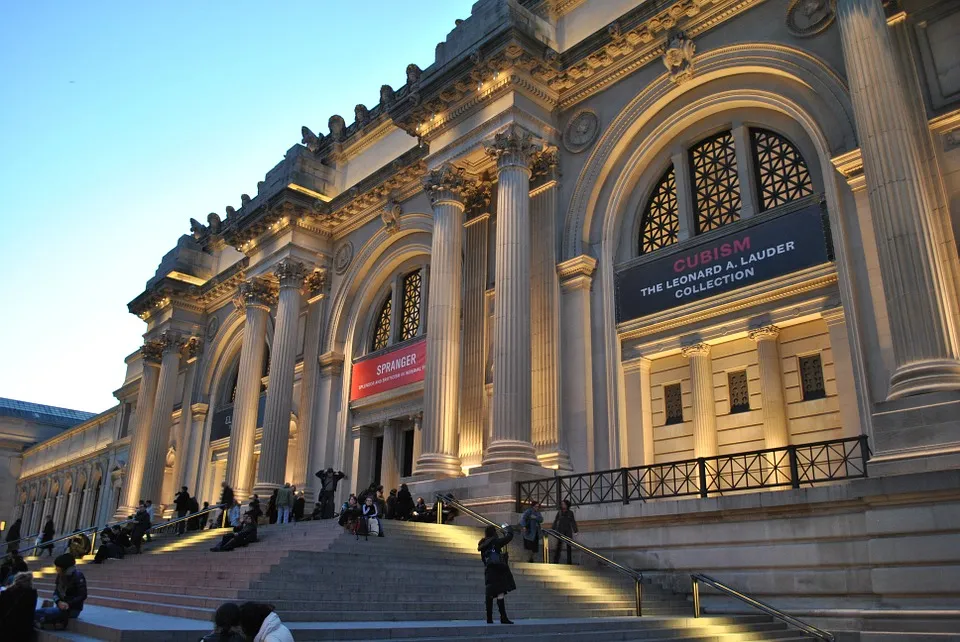
molecular-designs.com – The Metropolitan Museum of Art, commonly known as “The Met,” stands as a cultural beacon in New York City. As one of the world’s largest and most prestigious art museums, it offers a rich tapestry of art and history that spans over 5,000 years and multiple continents.

A Historical Overview

Founded in 1870, the Met was established to bring art and art education to the American people. Over the years, it has grown into an iconic institution with a collection that includes over two million works of art. The museum’s three locations—The Met Fifth Avenue, The Met Breuer, and The Met Cloisters—each offer unique experiences and collections.

The Collections

The Met’s vast collection includes works from ancient Egypt, European masters, American art, modern and contemporary pieces, and a diverse range of artifacts from across the globe. Notable works include paintings by Rembrandt, Van Gogh, and Monet, as well as an impressive assemblage of sculptures and decorative arts.

Visiting the Met

Visiting the Met provides a journey through time and culture. The museum’s layout is designed to guide visitors through thematic galleries and immersive exhibitions. With its expansive galleries, visitors can explore everything from ancient artifacts to modern masterpieces in a single day.

Educational and Cultural Programs

The Met is not just a museum but a center for education and cultural engagement. It offers a variety of programs, including lectures, workshops, and performances aimed at enriching the visitor experience. The museum also engages with the community through outreach programs and digital initiatives.

The Met’s Impact

As a cultural institution, the Met plays a crucial role in preserving and presenting human history and creativity. It fosters an appreciation for diverse cultures and artistic expressions, making art accessible to millions of visitors each year.

Conclusion

The Metropolitan Museum of Art is more than just a repository of art; it is a living, breathing testament to human imagination and achievement. Whether you are an art aficionado or a curious traveler, the Met offers something for everyone, making it a must-visit destination in New York City.

The Art of the Italian Street Snack: Italian Street Food

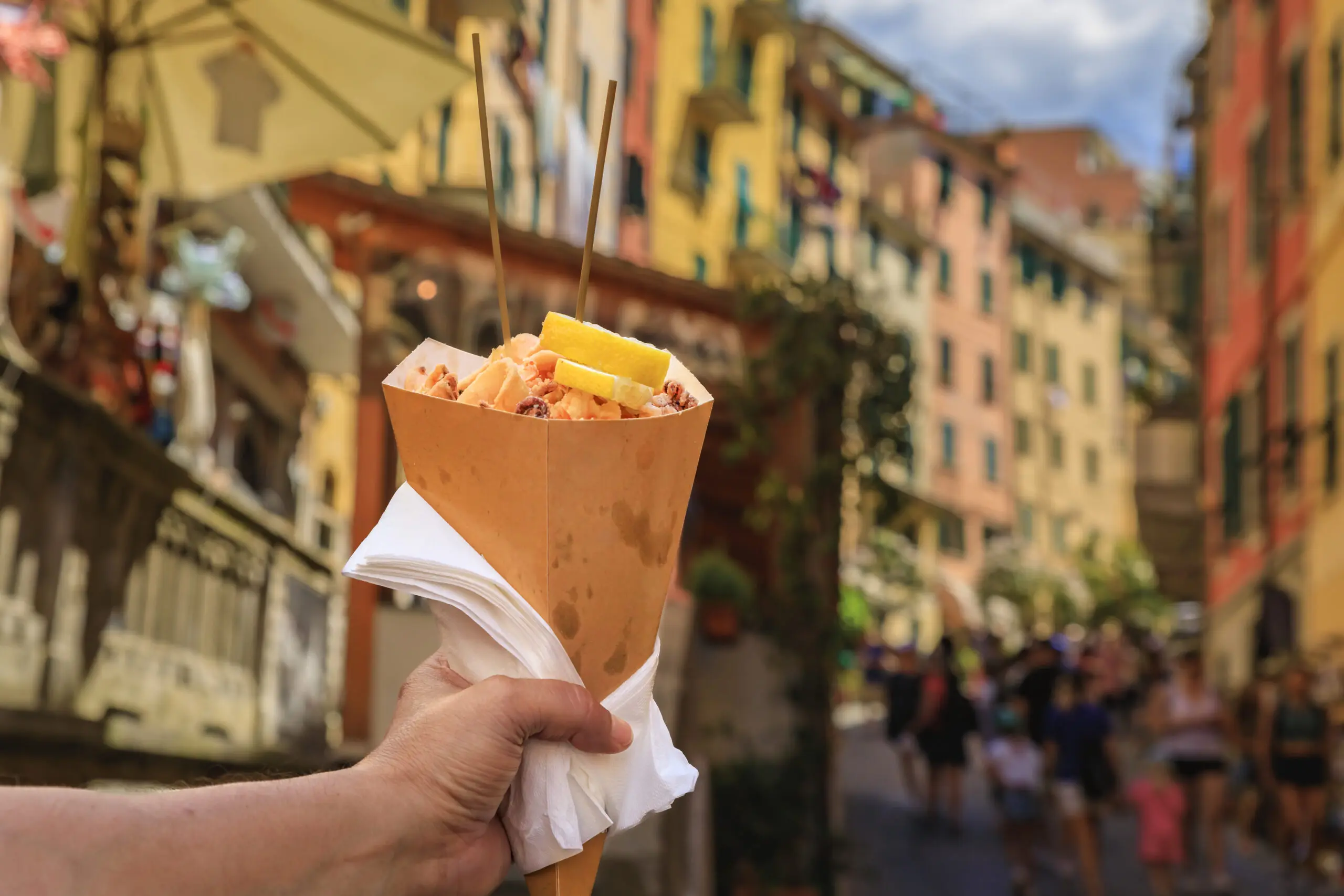
molecular-designs.com – Italy is renowned for its culinary excellence, with a rich tapestry of regional dishes that have captivated the world. While fine dining and traditional trattorias are celebrated, the country’s street food scene is equally deserving of acclaim. Italian street food is more than just a quick bite; it’s an art form that encapsulates the essence of Italian cuisine—freshness, simplicity, and bold flavors.

The History of Italian Street Food

The roots of Italian street food can be traced back to ancient times, when vendors sold snacks to workers and travelers. Over the centuries, these humble street snacks evolved, reflecting the agricultural abundance and culinary traditions of each region. Today, Italian street food is a vibrant part of the country’s cultural landscape, offering a glimpse into the soul of Italian gastronomy.

Regional Specialties

Italy’s street food scene is a testament to the country’s regional diversity. Each area boasts its own unique snacks, often tied to local ingredients and traditions.

Rome

In Rome, the classic street food is the supplì, a fried rice ball filled with tomato sauce and mozzarella, and the pizza al taglio, a thick-crust pizza sold by the slice. These snacks are perfect for a quick meal on the go, enjoyed while exploring the city’s historic streets.

Naples

Naples is famous for its pizza, but the city’s street food scene offers much more. The sfogliatella, a shell-shaped pastry filled with sweetened ricotta and candied fruit, is a must-try. For something savory, the panuozzo, a sandwich made with pizza dough and filled with cheese and salami, is a popular choice.

Sicily

Sicily’s street food is a melting pot of flavors, reflecting the island’s history of foreign rule. The arancini, rice balls filled with meat sauce, peas, and mozzarella, are a beloved snack. Another favorite is the panelle, a fritter made from chickpea flour, often served in a sandwich.

Milan

In Milan, the street food scene is more modern and fast-paced. The classic Milanese snack is the cotoletta, a breaded veal cutlet, often served in a sandwich. For something sweet, the bombolone, a filled doughnut, is a delicious treat.

The Art of the Italian Street Snack

What sets Italian street food apart is the artistry with which it is prepared. Despite their simplicity, these snacks are crafted with care and precision, using the finest ingredients. The vendors, or “ambulanti,” are often artisans, with a deep knowledge of their craft and a passion for sharing it with others.

The Future of Italian Street Food

As Italy continues to embrace its street food culture, the scene is evolving. Young chefs are experimenting with traditional recipes, adding modern twists and incorporating global influences. Food festivals and markets are becoming more common, offering a platform for street food vendors to showcase their creations.

Conclusion

Italian street food is more than just a convenient meal; it’s a celebration of Italy’s rich culinary heritage. From the bustling streets of Rome to the vibrant markets of Naples, these snacks tell the story of Italy’s diverse regions and their enduring love affair with food. Whether you’re a seasoned foodie or a curious traveler, the art of the Italian street snack is an experience not to be missed.