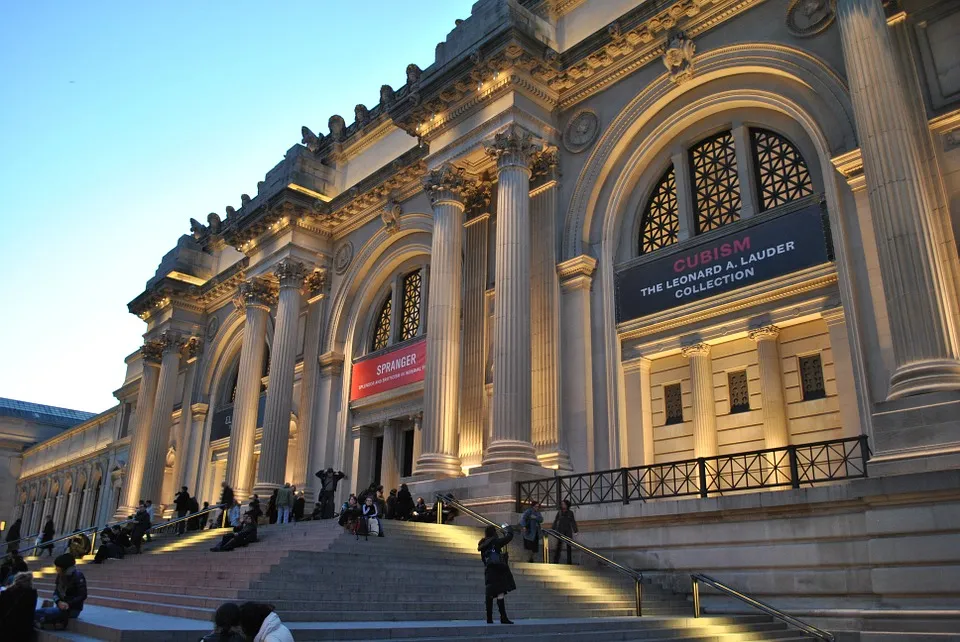
Exploring the Frontier Spirit in “The Awakening Land” (1978)

molecular-designs.com – “The Awakening Land” is a 1978 miniseries that brings to life the rugged and inspiring tale of early American pioneers. Based on the trilogy of novels by Conrad Richter, the miniseries presents a vivid portrayal of frontier life through the eyes of its strong-willed protagonist, Sayward Luckett Wheeler, played by Elizabeth Montgomery. This article delves into the narrative, characters, and historical context that make “The Awakening Land” a compelling portrayal of perseverance and resilience in the face of adversity.

Plot Overview

Set in the late 18th and early 19th centuries, “The Awakening Land” follows the journey of Sayward Luckett Wheeler, who, along with her family, leaves the settled areas of Pennsylvania to make a new home in the untamed wilderness of Ohio. The story chronicles the transformation of the land and its people as they confront the challenges of frontier life, including harsh weather, isolation, and the complexities of building a community from scratch.

Sayward’s character is central to the narrative, embodying the strength and determination required to survive and thrive in a new world. Her life is marked by significant personal and societal changes, reflecting the broader American experience of expansion and settlement.

Character Dynamics

Elizabeth Montgomery’s portrayal of Sayward Luckett Wheeler brings depth and nuance to the character, capturing her resilience and adaptability. Sayward’s relationships with her family, neighbors, and the land itself are pivotal to the story, illustrating the interconnectedness of personal and communal growth.

The supporting cast, including Hal Holbrook as Portius Wheeler, Sayward’s husband, adds layers of complexity to the narrative. Their dynamic showcases the evolving roles and expectations within family and society during this transformative period in American history.

Historical Context and Themes

“The Awakening Land” vividly depicts the historical context of westward expansion and the pioneer spirit that shaped the United States. The miniseries explores themes of survival, community, and the relentless pursuit of a better life, mirroring the broader national narrative of growth and development.

The series also touches upon the cultural and environmental impact of settlement, highlighting the interactions between settlers and the indigenous peoples, as well as the transformation of the natural landscape.

Conclusion

“The Awakening Land” stands as a powerful representation of frontier life and the indomitable spirit of early American settlers. Through its rich storytelling and compelling performances, the miniseries captures the essence of a pivotal era in American history. Elizabeth Montgomery’s portrayal of Sayward Luckett Wheeler serves as a tribute to the strength and perseverance of those who helped shape the nation, making “The Awakening Land” a timeless and inspiring viewing experience for audiences interested in historical drama and the pioneering spirit.

Exploring Rawon: Indonesia’s Flavorful Beef Black Soup

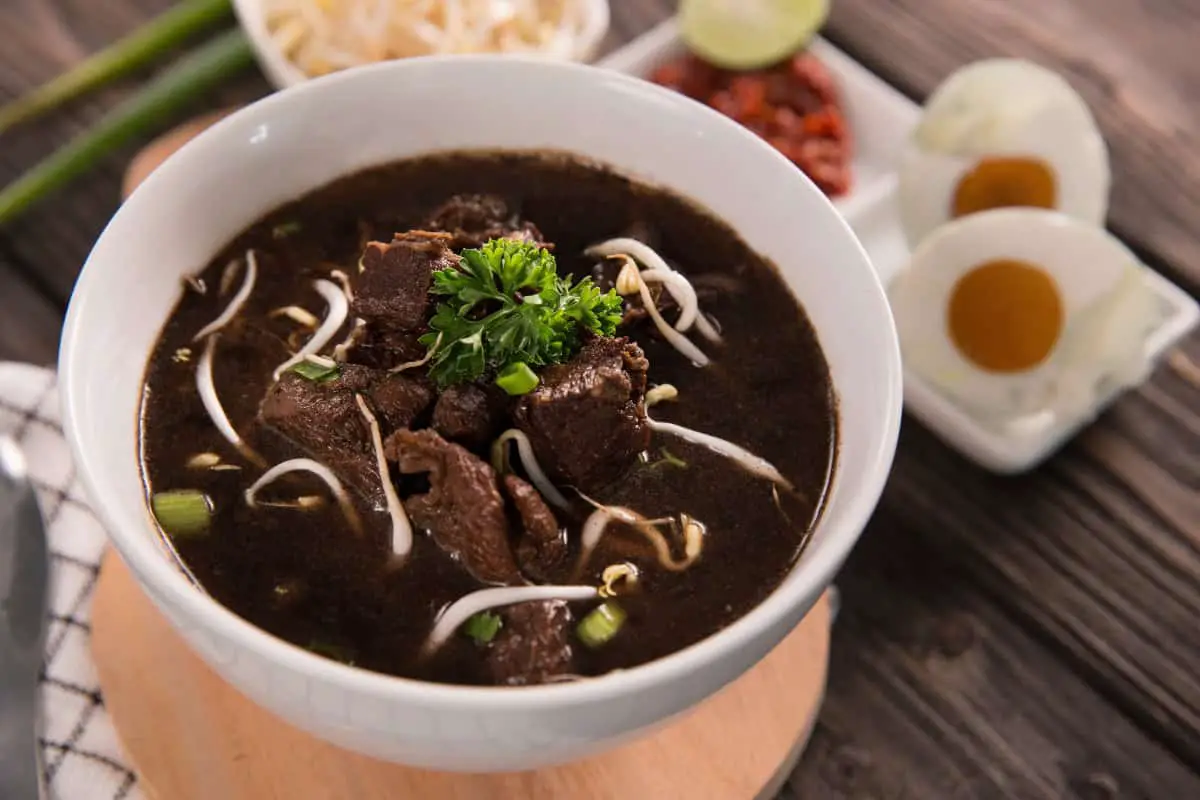
molecular-designs.com – Rawon is a unique and aromatic beef soup that hails from East Java, Indonesia. Known for its distinctive black color and rich, savory flavor, Rawon is a dish that stands out in Indonesian cuisine. The soup’s deep color comes from the use of keluak nuts, which are an essential ingredient that gives Rawon its signature taste. A favorite among many, Rawon is a dish that combines traditional spices with tender beef, creating a hearty and comforting meal.

The Ingredients and Preparation of Rawon

The key to Rawon’s unique flavor lies in its carefully selected ingredients, which are blended to create a complex and savory broth. The primary components of Rawon include:

  • Beef: Typically, beef shank or brisket is used for its tenderness and flavor.
  • Keluak Nuts: These nuts are soaked and then ground to release their dark, rich essence, which gives the soup its black color.
  • Spices and Aromatics: A blend of shallots, garlic, ginger, turmeric, coriander, lemongrass, and kaffir lime leaves brings depth to the broth.
  • Other Ingredients: Galangal and bay leaves are also commonly used to enhance the soup’s aroma and taste.

To prepare Rawon, the beef is simmered with the spice paste and keluak nuts to allow the flavors to meld together. The process of slow cooking ensures that the beef becomes tender and the broth develops its characteristic depth of flavor.

Serving Rawon

Rawon is typically served with a side of steamed rice, making it a satisfying and complete meal. Common accompaniments include:

  • Bean Sprouts: These add a crunchy texture and freshness to the dish.
  • Sambal: A spicy chili paste that enhances the flavor profile of Rawon.
  • Lime Wedges: For a hint of acidity that brightens the soup.
  • Fried Shallots: Sprinkled on top for extra flavor and crunch.

Some variations of Rawon may include additional garnishes like boiled eggs or tempeh, adding further texture and taste to the dish.

The Cultural Significance of Rawon

Rawon is not just a culinary delight; it is a dish deeply rooted in Indonesian heritage and tradition. Originating from East Java, it is a testament to the rich culinary history of the region. Rawon is often enjoyed during special occasions, family gatherings, and communal meals, highlighting its role in bringing people together.

The dish’s unique use of keluak nuts and traditional spices reflects the diverse influences and indigenous ingredients that shape Indonesian cuisine. Rawon’s popularity has spread beyond East Java, making it a cherished dish throughout Indonesia.

Conclusion

Rawon is a flavorful and aromatic soup that showcases the depth and diversity of Indonesian cuisine. Its use of unique ingredients like keluak nuts and a blend of traditional spices results in a dish that is both comforting and intriguing. Whether you’re savoring it for the first time or enjoying it as a familiar favorite, Rawon offers a delightful taste of Indonesia’s rich culinary tradition.

Exploring São Gonçalo: A Vibrant City in Rio de Janeiro

molecular-designs.com – São Gonçalo, located in the state of Rio de Janeiro, Brazil, is a bustling city known for its rich culture and strategic location within the metropolitan area of Rio de Janeiro. As the second most populous city in the state, São Gonçalo offers a unique blend of urban life and historical charm.

Historical Background

Early Settlement and Growth

São Gonçalo’s history dates back to the early 16th century when it was first settled by the Portuguese. The city experienced significant growth during the colonial period due to its proximity to the city of Rio de Janeiro and its strategic position along Guanabara Bay.

Industrial Development

In the 20th century, São Gonçalo saw rapid industrialization, becoming a hub for various industries, including textiles, metallurgy, and shipbuilding. This industrial boom contributed to the city’s economic growth and urban expansion.

Attractions and Activities

Cultural Landmarks

São Gonçalo is home to several cultural landmarks that reflect its rich history and diverse heritage. The Church of São Gonçalo do Amarante, with its beautiful architecture, is a must-visit for history enthusiasts. The city also hosts various cultural events and festivals throughout the year, celebrating its vibrant community.

Natural Beauty

Despite its urban landscape, São Gonçalo offers access to natural beauty. The nearby Guanabara Bay provides opportunities for water-based activities, while the surrounding hills and parks offer hiking and outdoor experiences for nature lovers.

Economy and Infrastructure

Economic Landscape

São Gonçalo’s economy is diverse, with a mix of industrial, commercial, and service sectors. The city’s strategic location within the Rio de Janeiro metropolitan area makes it an important economic hub, attracting businesses and investments.

Transportation and Connectivity

The city’s transportation infrastructure connects it efficiently to Rio de Janeiro and other neighboring regions. Public transport, including buses and ferries, facilitates easy access to the city, while major highways connect São Gonçalo to the broader state of Rio de Janeiro.

Conclusion

São Gonçalo is a city that combines historical significance, cultural diversity, and economic vitality. Whether exploring its cultural sites, enjoying its natural surroundings, or engaging with its dynamic urban life, São Gonçalo offers a rich and rewarding experience for residents and visitors alike.

A New York Icon: Exploring the Metropolitan Museum of Art

molecular-designs.com – The Metropolitan Museum of Art, commonly known as “The Met,” stands as a cultural beacon in New York City. As one of the world’s largest and most prestigious art museums, it offers a rich tapestry of art and history that spans over 5,000 years and multiple continents.

A Historical Overview

Founded in 1870, the Met was established to bring art and art education to the American people. Over the years, it has grown into an iconic institution with a collection that includes over two million works of art. The museum’s three locations—The Met Fifth Avenue, The Met Breuer, and The Met Cloisters—each offer unique experiences and collections.

The Collections

The Met’s vast collection includes works from ancient Egypt, European masters, American art, modern and contemporary pieces, and a diverse range of artifacts from across the globe. Notable works include paintings by Rembrandt, Van Gogh, and Monet, as well as an impressive assemblage of sculptures and decorative arts.

Visiting the Met

Visiting the Met provides a journey through time and culture. The museum’s layout is designed to guide visitors through thematic galleries and immersive exhibitions. With its expansive galleries, visitors can explore everything from ancient artifacts to modern masterpieces in a single day.

Educational and Cultural Programs

The Met is not just a museum but a center for education and cultural engagement. It offers a variety of programs, including lectures, workshops, and performances aimed at enriching the visitor experience. The museum also engages with the community through outreach programs and digital initiatives.

The Met’s Impact

As a cultural institution, the Met plays a crucial role in preserving and presenting human history and creativity. It fosters an appreciation for diverse cultures and artistic expressions, making art accessible to millions of visitors each year.

Conclusion

The Metropolitan Museum of Art is more than just a repository of art; it is a living, breathing testament to human imagination and achievement. Whether you are an art aficionado or a curious traveler, the Met offers something for everyone, making it a must-visit destination in New York City.

Exploring the Adorable Feature: The Charm of Button Nose

molecular-designs.com – The term “button nose” is often used to describe a small, round, and perfectly shaped nose, typically found on children, certain breeds of dogs, and even some adult humans. This feature is widely considered adorable and has been celebrated in various forms of media and literature. This article delves into the appeal of the button nose, its characteristics, and its significance in popular culture.

What is a Button Nose?

A button nose is characterized by its small size, round shape, and often, a slight upturn at the tip. This feature is most commonly associated with youth, as children tend to have more rounded facial features before their noses grow and develop with age. However, some adults also possess this charming trait, either naturally or through cosmetic procedures.

The Appeal of the Button Nose

The button nose is often seen as a symbol of cuteness and innocence. Its small, compact shape contributes to a youthful appearance, making individuals with this feature appear approachable and endearing. This has led to the button nose being a sought-after trait in both humans and animals, particularly in the world of show dogs and in the entertainment industry.

Button Nose in Popular Culture

The button nose has been a prominent feature in various forms of media and literature, often used to emphasize the cuteness and appeal of characters. From the “button-nosed” descriptions in children’s books to the iconic button noses of cartoon characters and celebrities, this feature has become synonymous with attractiveness and charm.

The Significance of Button Nose in Dogs

In the canine world, certain breeds are specifically bred to have button noses, which are considered a desirable trait. Breeds such as the Pug, French Bulldog, and Boston Terrier are known for their small, round noses, which contribute to their adorable and distinctive looks. However, it’s important to note that in some cases, extreme breeding for this feature can lead to health issues, such as breathing problems.

Conclusion

The button nose, with its small, round, and perfectly shaped form, holds a special place in our perception of cuteness and attractiveness. Whether found on a child, a dog, or an adult, this feature is celebrated for its charm and appeal. While it’s important to appreciate the diversity of natural beauty, the enduring popularity of the button nose reminds us of the universal appeal of certain features that evoke feelings of warmth and affection. As we continue to admire and celebrate this adorable trait, it’s also crucial to promote responsible breeding practices that prioritize the health and well-being of animals.

Exploring the Snacks That Define Different Nations

Snacks are more than just a way to stave off hunger between meals; they are cultural ambassadors, tiny emissaries of a nation’s culinary heritage. Each country has its unique snack offerings that reflect its history, climate, and traditions. These bite-sized delights are often the first taste of a culture for many travelers, and they can evoke a sense of nostalgia and longing for those living far from home. In this exploration of cultural cravings, we’ll take a journey around the world through the snacks that define different nations.

Italy: The Art of Antipasti

In Italy, the concept of snacking is elevated to an art form with antipasti. These aren’t just snacks; they’re an assortment of appetizers that can include cured meats, olives, marinated vegetables, and cheeses. The Italian approach to food is about savoring and sharing, and antipasti embody this philosophy. Each region has its specialties, from the robust flavors of Tuscany to the seafood-centric offerings of the Amalfi Coast.

Mexico: A Fiesta of Flavors

Mexico’s snack culture is a fiesta of flavors, with an emphasis on spice and texture. Chilaquiles, a dish made from fried tortilla pieces covered in salsa, cheese, and often topped with chicken or eggs, is a popular breakfast snack that can be found in various iterations across the country. Another beloved snack is elote, or corn on the cob, slathered in mayonnaise, cheese, chili powder, and lime juice, often served on a stick for easy eating.

Japan: The Zen of Snacking

Japanese snacks are a study in contrasts, offering a balance of sweet and savory, soft and crunchy. From the delicate chewiness of mochi, a rice cake often filled with sweet red bean paste, to the umami-rich crunch of senbei, or rice crackers, Japanese snacks are a reflection of the country’s Zen philosophy. The convenience store culture in Japan also offers an array of innovative snacks, from flavored seaweed sheets to octopus-shaped wieners.

India: A Chaat Odyssey

India’s snack scene is as diverse as the country itself, with chaat leading the charge. Chaat is a category of savory snacks that are spicy, tangy, and sweet, often served at roadside stalls. Popular chaats include pani puri, hollow puris filled with spiced water, tamarind chutney, and potato mixture; and samosas, fried or baked pastry with a savory filling, such as spiced potatoes, onions, peas, or lentils. The chaat experience is a burst of flavors and textures that mirrors the vibrant tapestry of Indian culture.

United States: The Melting Pot of Snacks

The United States, a nation of immigrants, has a snack culture that reflects its diverse heritage. From the classic peanut butter and jelly sandwich to the more recent trend of gourmet doughnuts, American snacks are a melting pot of global influences. Comfort foods like macaroni and cheese or buffalo wings have become iconic, while regional specialties like New England clam chowder or Southern fried chicken remind us of the country’s culinary roots.

Conclusion

Snacks are more than just a quick bite; they are a window into the soul of a nation. They tell stories of history, climate, and tradition, and they bring people together over a shared love of food. Whether you’re savoring the delicate flavors of Japanese mochi or indulging in the bold spices of Indian chaat, each snack is an invitation to explore the world one bite at a time. So next time you reach for a snack, consider the cultural narrative it carries and the journey it has taken to reach your plate.

Exploring the Variety of Man’s Best Friend: Dog Breeds A to Z

Dogs, often referred to as man’s best friend, come in a staggering array of shapes, sizes, and temperaments. From the tiny Chihuahua to the towering Great Dane, each breed has its unique history, characteristics, and purpose. In this comprehensive guide, we’ll explore the diverse world of dog breeds from A to Z, highlighting the rich tapestry of canine companionship available to us.

A is for Akita

Premium Photo | Cute watercolor Akita dog breed illustration

Originating from Japan, Akitas are large, powerful dogs known for their loyalty and courage. Originally bred for hunting bears, they are now popular as family guardians and loyal companions. Their striking appearance, with a thick double coat, makes them stand out in any crowd.

B is for Beagle

Premium Vector | Cute Beagle Dog Cartoon Vector Art Illustration Design

Beagles are small to medium-sized hounds known for their friendly nature and excellent sense of smell. Originally bred for hunting hare, they are now beloved family pets and are often used as detection dogs due to their incredible noses.

C is for Chihuahua

Premium Vector | A cartoon of a Chihuahua dog

The Chihuahua is the smallest breed of dog, known for its large ears and saucy personality. Originating from Mexico, these tiny dogs have a big presence and are fiercely loyal to their owners.

D is for Dalmatian

Dog Cartoon Png Download 948*1341 Free Transparent, 45% OFF


Famous for their spotted coat, Dalmatians have been associated with fire departments and horse-drawn carriages. These active, energetic dogs are known for their stamina and love of running.

E is for English Bulldog

Premium Vector | Cute English Bulldog dog cartoon Vector Style white  background

The English Bulldog is a sturdy, compact breed known for its wrinkly face and distinctive pushed-in nose. Despite their formidable appearance, Bulldogs are gentle, friendly, and make excellent companions.

F is for French Bulldog
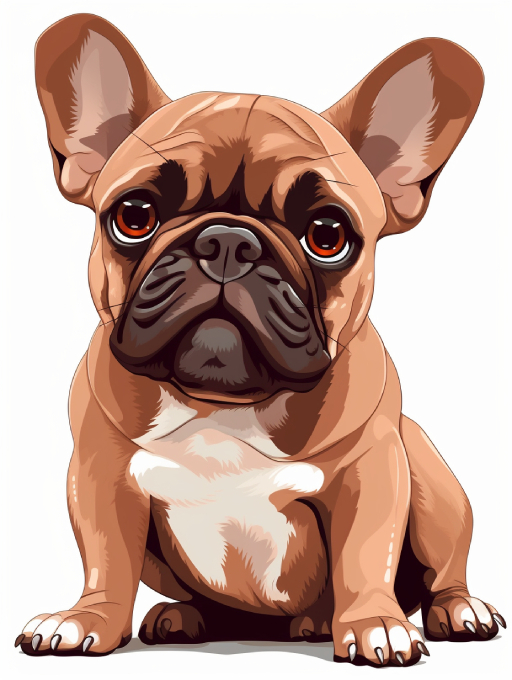
Cute French Bulldog Png,transparent Animal Clipart Cartoon, 59% OFF

French Bulldogs, or “Frenchies,” are small, sturdy dogs with bat-like ears and a playful disposition. They are known for their affectionate nature and have become one of the most popular breeds worldwide.

G is for German Shepherd

Premium Vector | German Shepherd Dog Vector

German Shepherds are medium to large-sized working dogs known for their intelligence, strength, and loyalty. They excel in various roles, including police, military, and service dogs, as well as faithful family companions.

H is for Husky

Siberian Husky dog puppy cartoon" Poster for Sale by fezave | Redbubble


Siberian Huskies are medium-sized working dogs, originally bred for sled pulling in Siberia. They are known for their thick coat, striking blue eyes, and high energy levels.

I is for Irish Setter
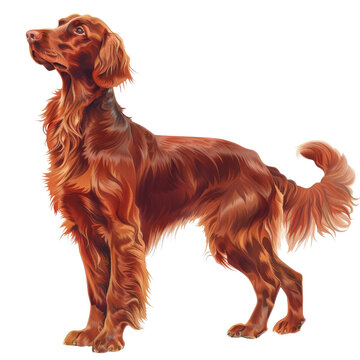
Irish Setter White Background Images – Browse 2,251 Stock Photos, Vectors,  and Video | Adobe Stock

The Irish Setter is a medium to large-sized gundog known for its striking red coat and graceful appearance. They are energetic, friendly, and excel in field work and as family pets.

J is for Jack Russell Terrier

Jack Russell Cartoon Images – Browse 6,847 Stock Photos, Vectors, and Video  | Adobe Stock

Jack Russell Terriers are small, energetic dogs known for their fearless nature and boundless energy. Originally bred for fox hunting, they now make lively and entertaining family pets.

K is for Keeshond

Premium Photo | Adorable Keeshond Cartoon Illustration for Toddler Book AI  Generated

The Keeshond is a medium-sized dog known for its plush, double coat and fox-like expression. Originating from Germany, they are affectionate, intelligent, and make excellent family companions.

L is for Labrador Retriever

Premium Vector | Labrador Retriever Vector Cartoon

Labrador Retrievers are one of the most popular breeds worldwide, known for their friendly nature, intelligence, and versatility. They excel in various roles, from service dogs to family pets, and are cherished for their loyalty and eagerness to please.

M is for Maltese

Maltese Dog Stock Illustrations – 3,631 Maltese Dog Stock Illustrations,  Vectors & Clipart - Dreamstime

The Maltese is a small, hypoallergenic breed known for its long, flowing white coat and affectionate nature. They are playful, gentle, and make excellent lap dogs.

N is for Newfoundland
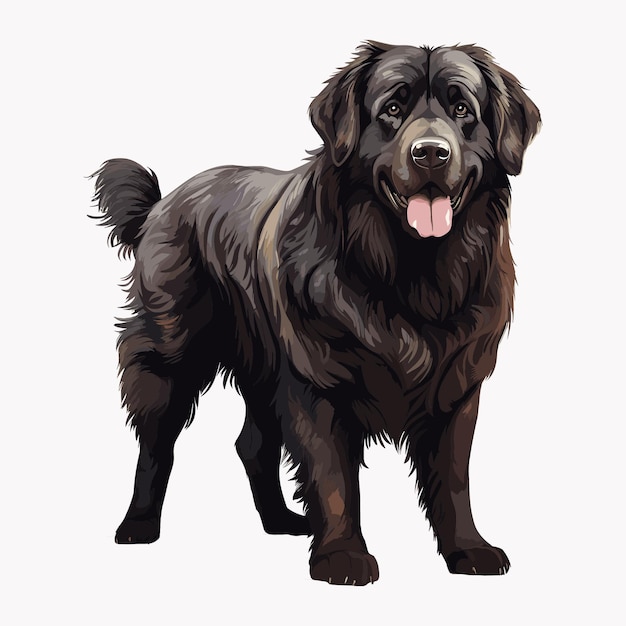
Premium Vector | Cute Newfoundland Dog Cartoon Vector Art Illustration  Design

Newfoundlands are large, powerful working dogs known for their massive size, strength, and gentle disposition. They are excellent swimmers and have been used as water rescue dogs.

O is for Old English Sheepdog

Old English Sheepdog Gifts

Old English Sheepdogs are large, fluffy dogs known for their shaggy coat and gentle nature. They were originally bred for herding sheep but now make wonderful family pets.

P is for Poodle

Artistic Style Cartoon Poodle Dog Puppy Painting Drawing Sticker, Wall  arts, Art Prints and More" Sticker for Sale by Kevin Lou | Redbubble

Poodles come in three sizes – Standard, Miniature, and Toy – and are known for their intelligence, elegance, and distinctive curly coat. They are versatile dogs, excelling in obedience, agility, and as therapy dogs.

Q is for Queensland Heeler

Australian Cattle Dog Vector, Sticker Clipart Dog Drawing Australian Cattle  Dog Cartoon, Sticker, Clipart PNG and Vector with Transparent Background  for Free Download


The Queensland Heeler, also known as the Australian Cattle Dog, is a medium-sized, energetic breed known for its distinctive coat and herding abilities. They are intelligent, loyal, and require plenty of exercise.

R is for Rottweiler
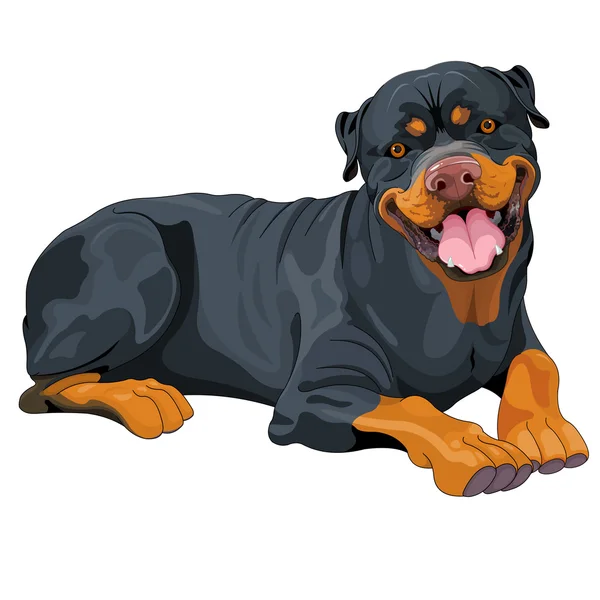
13,289,286 Rottweiler cartoon Vector Images | Depositphotos

Rottweilers are powerful, muscular dogs known for their strength, intelligence, and loyalty. Originally bred to herd cattle, they now serve as police dogs, guard dogs, and faithful companions.

S is for Saint Bernard
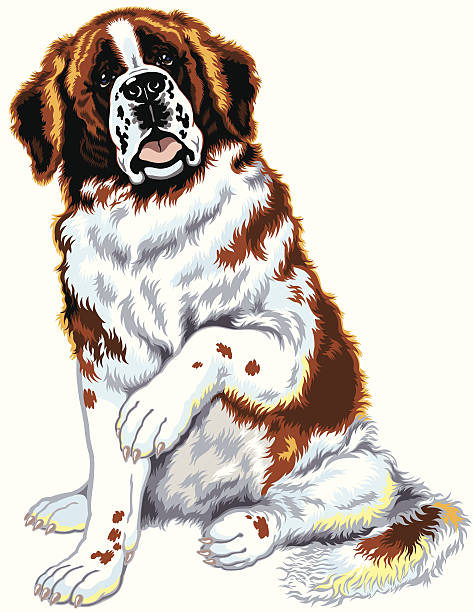
Saint Bernard Dog Stock Illustration - Download Image Now - Saint Bernard,  Dog, Cut Out - iStock

Saint Bernards are giant working dogs known for their massive size and gentle nature. They were originally bred for rescue work in the Swiss Alps and are now cherished family pets.

T is for Terrier
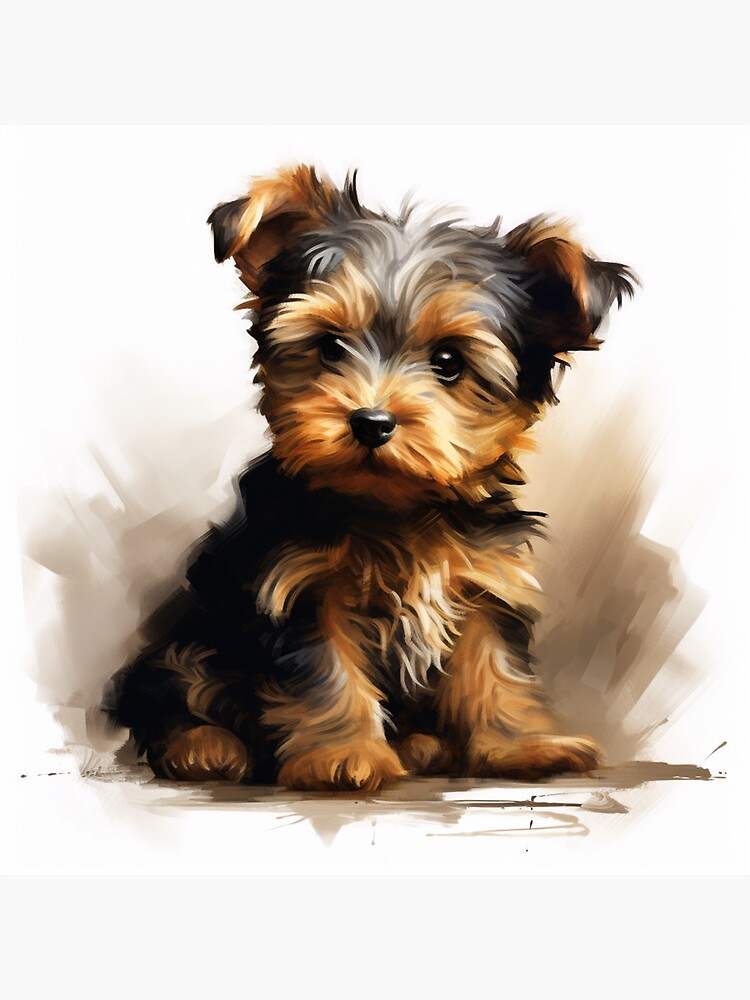
Cute Yorkshire Terrier Puppy · Creative Fabrica, 43% OFF

Terriers are a group of breeds known for their energetic, feisty nature. They were originally bred for hunting vermin and vary greatly in size and appearance, from the small Yorkshire Terrier to the larger Airedale Terrier.

U is for Ukrainian Hound
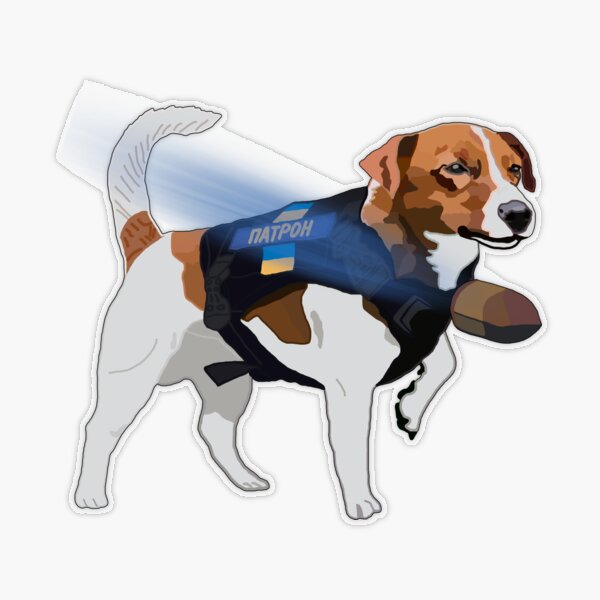
"Ukrainian Chernihiv DSNS Dog Patron Ukraine Dog" Sticker for Sale by Aide  | Redbubble

The Ukrainian Hound, also known as the Ukrainian Sighthound, is a rare breed known for its speed and agility. They are hunting dogs, bred for their ability to track and chase game.

V is for Vizsla

Premium Photo | Playful Vizsla Cartoon Character in Whimsical World


Vizslas are medium-sized gundogs known for their sleek appearance and affectionate nature. They are versatile hunting dogs, as well as loyal and loving family pets.

W is for Weimaraner

Standing Weimaraner Dog Illustration PNG & SVG Design For T-Shirts


Weimaraners are large, athletic dogs known for their distinctive gray coat and intelligent expression. They are versatile hunting dogs that also make excellent family companions.

X is for Xoloitzcuintli
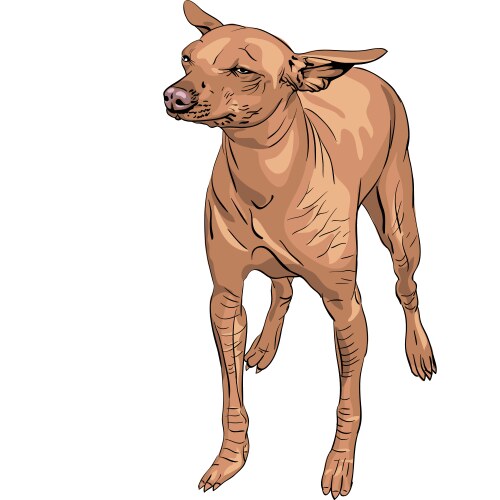
Xoloitzcuintle Vector Images (38)


The Xoloitzcuintli, also known as the Mexican Hairless Dog, is a rare breed known for its lack of fur and unique appearance. They are affectionate, loyal, and have been an important part of Mexican culture for centuries.

Y is for Yorkshire Terrier

Yorkie Cartoon Images – Browse 5,640 Stock Photos, Vectors, and Video |  Adobe Stock


The Yorkshire Terrier, or “Yorkie,” is a small, toy breed known for its long, silky coat and feisty personality. They are popular lap dogs and cherished companions.

Z is for Zuchon
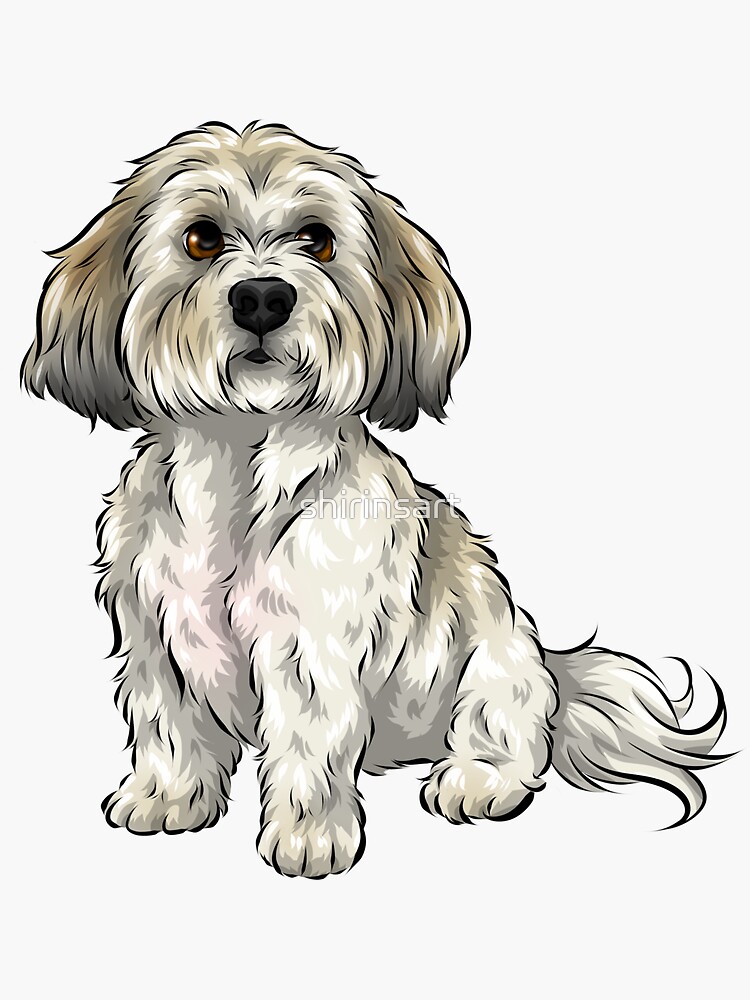
Shichon | Zuchon | Bichon Frise Shih Tzu cross | Cute Dog Art" Sticker for  Sale by shirinsart | Redbubble


The Zuchon, also known as a Teddy Bear dog, is a hybrid breed resulting from crossing a Shih Tzu with a Bichon Frise. They are small, fluffy dogs known for their friendly nature and low-shedding coat.

The world of dog breeds is as diverse as it is fascinating. Each breed brings its unique history, characteristics, and talents to the table, making the bond between dogs and humans one of the most enduring and enriching relationships in the animal kingdom. Whether you’re looking for a loyal companion, a working partner, or a playful friend, there’s a dog breed out there that’s perfect for you.

Exploring the Inner Cosmos: A Journey to the Center of the Mind

In the vast expanse of human consciousness, there lies an unexplored territory as rich and complex as the universe itself – the human mind. This intricate landscape, often referred to as the “center of the mind,” is a place where thoughts, emotions, memories, and dreams converge, creating a unique and personal cosmos within each individual. The journey to the center of the mind is not one of physical distance but of introspection and self-discovery, a voyage that promises profound insights into the very essence of our being.

The Expedition Begins

The journey to the center of the mind starts with an acknowledgment of the unknown territories that lie within us. It requires a willingness to embark on an expedition that may challenge our perceptions of reality and our understanding of self. This is not a journey for the faint-hearted, for it demands courage to face the shadows and the light that reside within our psyche.

The Tools of Exploration

To navigate the inner cosmos, one must equip themselves with the tools of exploration. Mindfulness and meditation serve as the compass and map, guiding the explorer through the labyrinth of thoughts and emotions. Journaling becomes the traveler’s diary, a record of the landscapes visited and the insights gained. Therapy, with its various modalities, offers a sturdy vessel for traversing the tumultuous seas of the subconscious.

The Landscapes of the Mind

As the journey progresses, the explorer encounters diverse landscapes, each representing different aspects of the psyche. There are the high peaks of euphoria, the dense forests of the subconscious, the serene lakes of tranquility, and the dark caverns of fear and trauma. Each landscape holds lessons and treasures, waiting to be discovered by those who dare to venture forth.

The Guardians of the Threshold

Along the way, the explorer may encounter guardians of the threshold – aspects of the self that protect the deeper layers of the psyche. These guardians, often manifesting as resistance or fear, must be acknowledged and understood. Only by facing them with compassion and courage can the explorer proceed on their journey.

The Center of the Mind

The center of the mind is not a destination but a state of being – a place of profound understanding and acceptance. It is here that the explorer realizes the interconnectedness of all aspects of the self. The center is a sanctuary where one can observe the workings of the mind without judgment, a space where the explorer can integrate the wisdom gained from their journey.

The Return

The journey to the center of the mind is not a one-time expedition but a continuous process of exploration and growth. As the explorer returns to the world, they carry with them the knowledge and insights gained from their inner voyage. This newfound wisdom influences their interactions with the external world, enriching their experiences and deepening their connections with others.

The Impact of the Journey

The journey to the center of the mind has the power to transform not only the individual but also the collective consciousness. By exploring our inner cosmos, we contribute to the understanding of the human experience. We become cartographers of the mind, mapping out territories that future explorers can navigate with greater ease.

Conclusion

The journey to the center of the mind is a voyage of discovery, a quest for understanding, and a path to enlightenment. It is a reminder that the most profound mysteries lie not in the stars above but within the depths of our own consciousness. As we navigate the inner cosmos, we uncover the boundless potential of the human spirit and the infinite possibilities that lie within us all.