
The Bicycle Thief: A Landmark of Italian Neorealism

molecular-designs.com – “The Bicycle Thief” (originally “Ladri di biciclette”), directed by Vittorio De Sica in 1948, stands as one of the most influential films in the history of cinema. This Italian neorealistic masterpiece is celebrated for its profound storytelling, emotional depth, and its stark portrayal of post-war Italy. The film captures the essence of human struggle and the socio-economic challenges faced by ordinary people in the aftermath of World War II.

Plot Summary

Set in the poverty-stricken streets of Rome, “The Bicycle Thief” follows the story of Antonio Ricci, an unemployed man who finally secures a job putting up posters around the city. The job, however, requires a bicycle, which Antonio has recently pawned. In a desperate effort to provide for his family, he retrieves his bicycle, only for it to be stolen on his first day at work. The film follows Antonio and his young son, Bruno, as they embark on a desperate quest to recover the stolen bicycle, which is crucial for Antonio’s employment and his family’s survival.

Themes and Style

Vittorio De Sica employs a neorealistic style to bring authenticity and raw emotion to the film. Shot on location in Rome with non-professional actors, the film creates a powerful sense of realism. The use of real urban settings and the focus on everyday struggles highlight the socio-economic issues of the time.

One of the central themes of “The Bicycle Thief” is the dignity and despair of the working class. Antonio’s search for his bicycle becomes a metaphor for the struggle to maintain dignity and hope in the face of adversity. The film poignantly captures the bond between father and son, showcasing their relationship as a source of strength and vulnerability.

Impact and Legacy

“The Bicycle Thief” has left an indelible mark on cinema, influencing generations of filmmakers and audiences worldwide. Its realistic portrayal of life and its emotional depth have made it a timeless classic. The film won an Honorary Academy Award for Best Foreign Language Film and is frequently listed among the greatest films ever made.

The film’s impact extends beyond its cinematic achievements. It brought international attention to the Italian neorealist movement, which sought to depict everyday life with authenticity and social consciousness. This movement inspired filmmakers around the world to explore themes of social justice and realism in their work.

Conclusion

“The Bicycle Thief” remains a poignant and powerful film that continues to resonate with audiences today. Its exploration of human resilience, societal challenges, and the bonds of family makes it a timeless masterpiece. Vittorio De Sica’s film serves as a reminder of the enduring power of cinema to reflect and shape our understanding of the world.
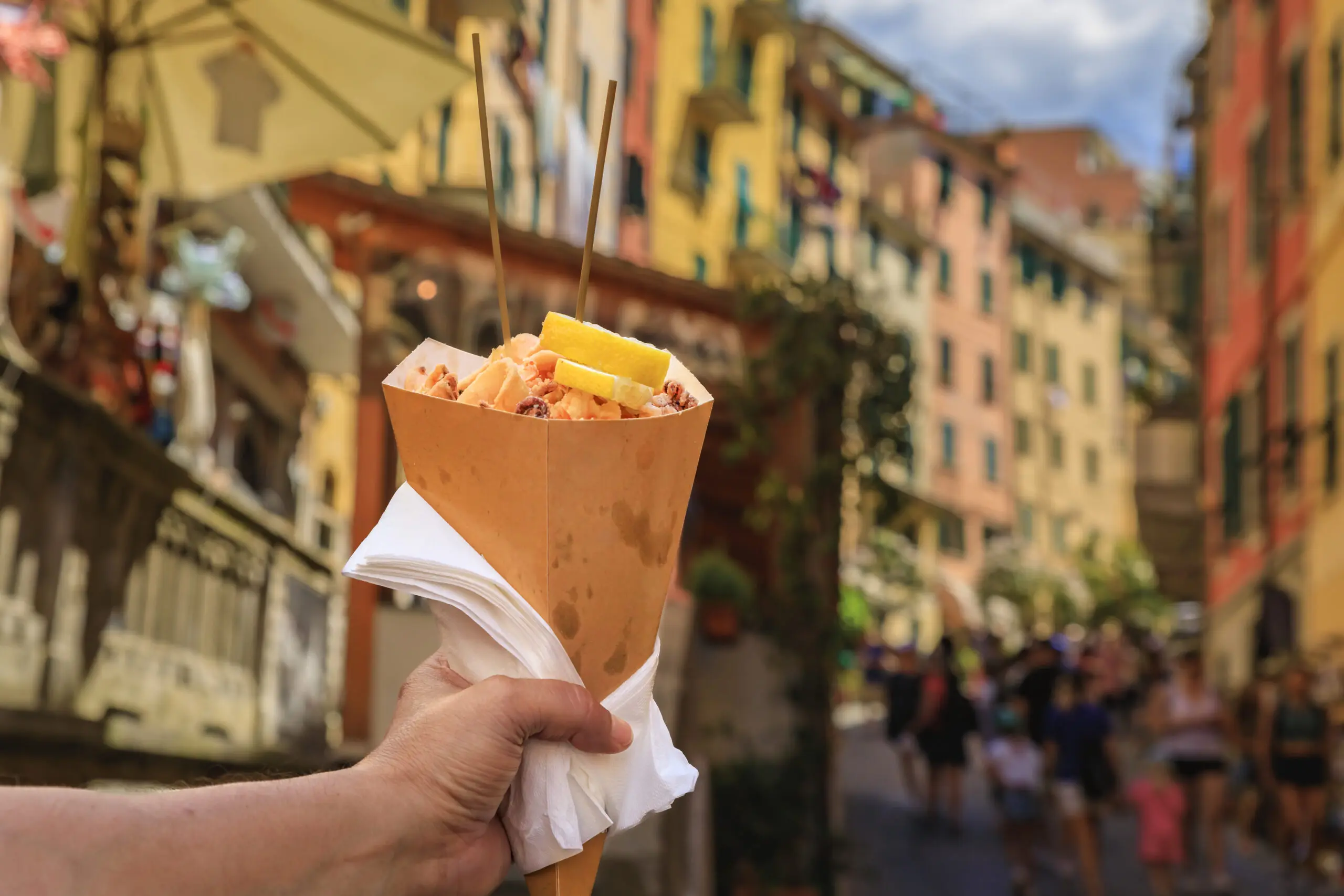
The Art of the Italian Street Snack: Italian Street Food

molecular-designs.com – Italy is renowned for its culinary excellence, with a rich tapestry of regional dishes that have captivated the world. While fine dining and traditional trattorias are celebrated, the country’s street food scene is equally deserving of acclaim. Italian street food is more than just a quick bite; it’s an art form that encapsulates the essence of Italian cuisine—freshness, simplicity, and bold flavors.

The History of Italian Street Food

The roots of Italian street food can be traced back to ancient times, when vendors sold snacks to workers and travelers. Over the centuries, these humble street snacks evolved, reflecting the agricultural abundance and culinary traditions of each region. Today, Italian street food is a vibrant part of the country’s cultural landscape, offering a glimpse into the soul of Italian gastronomy.

Regional Specialties

Italy’s street food scene is a testament to the country’s regional diversity. Each area boasts its own unique snacks, often tied to local ingredients and traditions.

Rome

In Rome, the classic street food is the supplì, a fried rice ball filled with tomato sauce and mozzarella, and the pizza al taglio, a thick-crust pizza sold by the slice. These snacks are perfect for a quick meal on the go, enjoyed while exploring the city’s historic streets.

Naples

Naples is famous for its pizza, but the city’s street food scene offers much more. The sfogliatella, a shell-shaped pastry filled with sweetened ricotta and candied fruit, is a must-try. For something savory, the panuozzo, a sandwich made with pizza dough and filled with cheese and salami, is a popular choice.

Sicily

Sicily’s street food is a melting pot of flavors, reflecting the island’s history of foreign rule. The arancini, rice balls filled with meat sauce, peas, and mozzarella, are a beloved snack. Another favorite is the panelle, a fritter made from chickpea flour, often served in a sandwich.

Milan

In Milan, the street food scene is more modern and fast-paced. The classic Milanese snack is the cotoletta, a breaded veal cutlet, often served in a sandwich. For something sweet, the bombolone, a filled doughnut, is a delicious treat.

The Art of the Italian Street Snack

What sets Italian street food apart is the artistry with which it is prepared. Despite their simplicity, these snacks are crafted with care and precision, using the finest ingredients. The vendors, or “ambulanti,” are often artisans, with a deep knowledge of their craft and a passion for sharing it with others.

The Future of Italian Street Food

As Italy continues to embrace its street food culture, the scene is evolving. Young chefs are experimenting with traditional recipes, adding modern twists and incorporating global influences. Food festivals and markets are becoming more common, offering a platform for street food vendors to showcase their creations.

Conclusion

Italian street food is more than just a convenient meal; it’s a celebration of Italy’s rich culinary heritage. From the bustling streets of Rome to the vibrant markets of Naples, these snacks tell the story of Italy’s diverse regions and their enduring love affair with food. Whether you’re a seasoned foodie or a curious traveler, the art of the Italian street snack is an experience not to be missed.