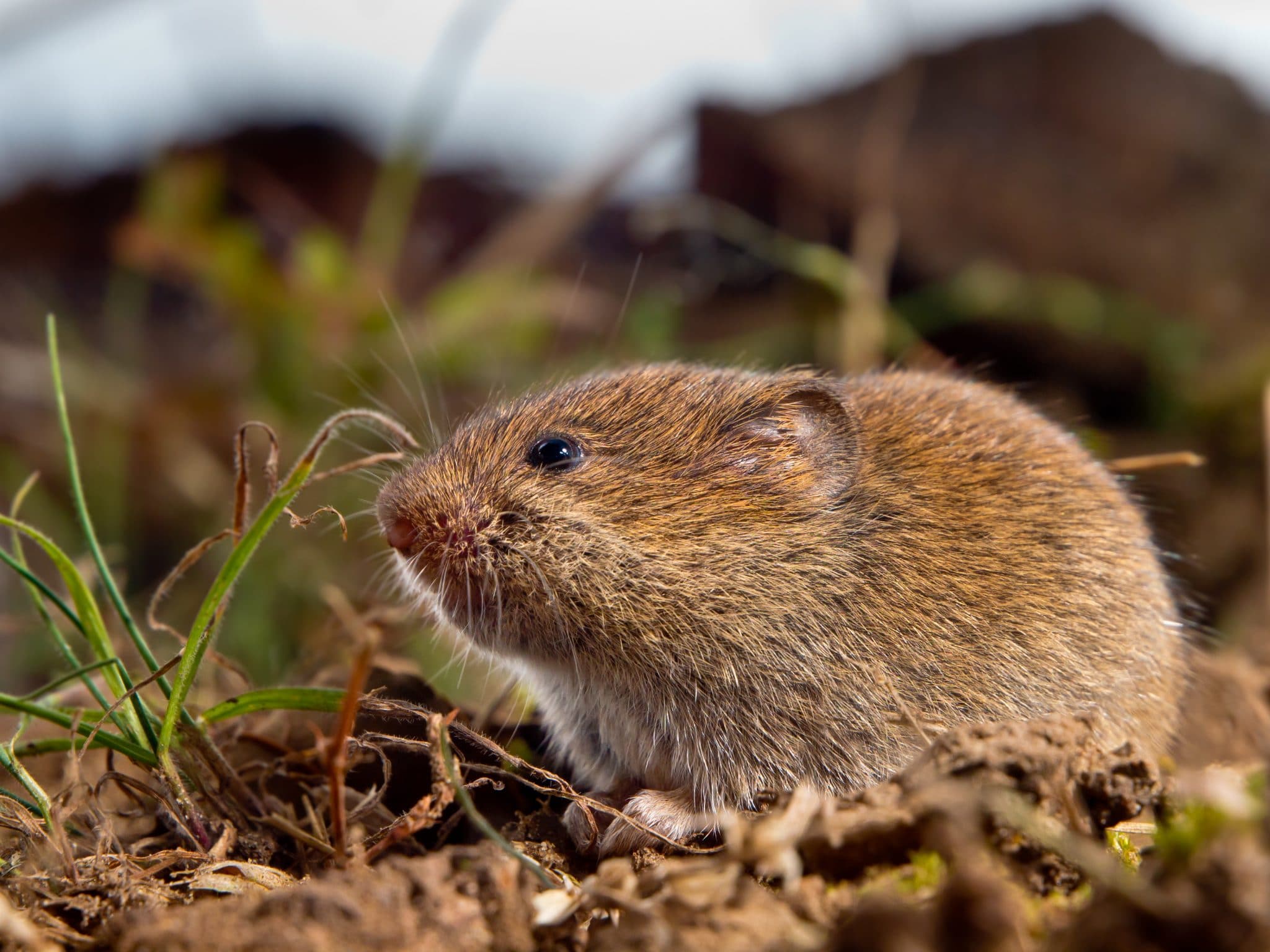
molecular-designs.com – Voles, often referred to as field mice, are small rodents that inhabit a variety of environments, including grasslands, meadows, forests, and gardens. Their diet primarily consists of plant matter, but they are also opportunistic feeders that eat other available food sources. Understanding the diet of voles is important for managing them in agricultural or garden settings, as well as providing proper care in captivity. In this article, we’ll explore the natural diet of voles, their feeding habits, and the best ways to care for their nutritional needs.
1. Vole Diet Overview: Primarily Herbivorous
Voles are primarily herbivorous, meaning that the bulk of their diet consists of plant-based foods. They forage for various types of plant material depending on their environment and the season. In addition to plants, voles may also consume insects and other small invertebrates when available, particularly during colder months when plant material is scarce.
Key Components of a Vole’s Diet:
- Grasses and herbaceous plants: A staple of their diet in the wild.
- Roots and tubers: Voles often dig underground to eat plant roots and tubers.
- Seeds and grains: Found in fields or gardens, seeds and grains are important food sources.
- Fruits and berries: Seasonal treats when available, especially in the summer and fall.
- Bark: In winter, voles often feed on tree bark, particularly from young trees.
- Insects and small invertebrates: Occasionally part of their diet, especially when plant foods are scarce.
2. Grasses and Herbaceous Plants: The Primary Food Source
Grasses and herbaceous plants are the main component of a vole’s diet. They graze on a variety of green vegetation, including the shoots and leaves of plants. Voles prefer tender plants but will consume tougher plants if necessary.
Common Plants Eaten by Voles:
- Wild grasses: Easily found in their natural habitat.
- Clover: A favorite among voles, commonly found in fields and meadows.
- Herbaceous plants: Voles eat the stems and leaves of various non-woody plants.
- Garden plants: In garden settings, voles may feed on vegetable crops like lettuce, spinach, and other leafy greens.
Voles use their sharp teeth to cut through soft plant tissue, and they consume large amounts of plant material daily to meet their energy needs.
3. Roots, Tubers, and Bulbs: Digging for Food
Voles are known for their digging behavior, which allows them to access underground food sources like roots, tubers, and bulbs. These parts of the plants provide essential nutrients, particularly during colder months when above-ground vegetation is sparse.
Root and Tuber Food Sources:
- Carrots: If voles find their way into gardens, they may dig up root vegetables like carrots.
- Potatoes and other tubers: Voles can cause damage to potato crops by eating the tubers underground.
- Flower bulbs: In gardens, voles are notorious for eating bulbs like tulips and daffodils.
This digging behavior often causes significant damage to gardens, as voles may uproot and consume entire plants or destroy crops by feeding on their roots.
4. Seeds, Grains, and Nuts: A Nutrient-Dense Option
Seeds and grains are another important part of a vole’s diet, particularly in agricultural settings. They forage for seeds in fields, meadows, and gardens, and may store them for future consumption. These nutrient-dense foods provide the fats and proteins that voles need to thrive.
Common Seeds and Grains Eaten by Voles:
- Grain crops: In farming areas, voles may consume wheat, oats, barley, and other grains.
- Seeds from wild plants: Voles collect seeds from wildflowers, weeds, and grasses.
- Sunflower seeds: These are commonly eaten by voles in garden environments.
- Nuts: In forested areas, voles may occasionally eat small nuts or acorns.
Seeds are particularly important in the fall, when voles gather and store them to survive through the winter.
5. Fruits and Berries: Seasonal Treats
Fruits and berries are a seasonal part of a vole’s diet, typically consumed in late summer and fall when they are abundant. These sugary, high-energy foods provide important nutrients during the reproductive season.
Common Fruits and Berries Eaten by Voles:
- Blackberries: Wild-growing blackberries are often consumed by voles in forested areas.
- Raspberries: Found in meadows and fields, raspberries are also eaten by voles.
- Apples and other fruits: In gardens or orchards, voles may nibble on fallen apples or other fruit crops.
While fruits and berries are not available year-round, they serve as a valuable energy source when they are in season.
6. Bark and Woody Plants: Winter Survival Food
During winter, when food is scarce, voles turn to the bark of trees and shrubs for sustenance. They strip the bark from young trees and shrubs, often causing significant damage to gardens and orchards.
Bark-Eating Behavior:
- Girdling trees: Voles chew around the base of young trees, which can girdle the tree and lead to its death.
- Woody shrubs: In winter, voles may also eat the bark of shrubs, especially if the snow provides cover.
- Fruit trees: In orchards, voles can be a significant pest by feeding on the bark of apple, pear, and other fruit trees.
This winter feeding behavior is particularly destructive, as it can kill young trees and shrubs if the damage is severe.
7. Insects and Invertebrates: Occasional Protein Sources
Although voles are primarily herbivores, they may consume insects and other small invertebrates when plant food is scarce or during times of high energy demand, such as the breeding season.
Common Invertebrates Eaten by Voles:
- Insects: Beetles, grasshoppers, and caterpillars are sometimes eaten by voles.
- Snails and slugs: In wetter environments, voles may consume small snails or slugs.
- Small invertebrates: Worms and other soil-dwelling creatures can provide additional protein.
This opportunistic feeding helps voles meet their nutritional needs when plant food is less available.
8. Feeding Voles in Captivity
If you are keeping voles in captivity, it’s important to provide a diet that mimics their natural food sources. A variety of fresh plant materials, seeds, and fruits should be offered, along with occasional protein sources like insects or commercial rodent foods.
Ideal Foods for Captive Voles:
- Fresh greens: Lettuce, spinach, and clover are good options.
- Root vegetables: Carrots, sweet potatoes, and parsnips.
- Grains and seeds: Oats, wheat, and sunflower seeds.
- Fruits: Apples, berries, and small pieces of banana.
- Insects: Mealworms or crickets can be offered occasionally for protein.
Voles should be provided with fresh water at all times and fed small amounts frequently to prevent overeating.
9. Conclusion
Voles are primarily herbivores, feeding on grasses, roots, seeds, and fruits, but they also consume insects and other small invertebrates when available. Their diet varies depending on the season and habitat, and they are known to store food for the winter. While their feeding habits can cause damage to gardens and crops, understanding their dietary needs is essential for managing vole populations in agricultural settings or caring for them in captivity. By offering a diet rich in plant material and occasional protein, voles can thrive and maintain their energetic lifestyle.