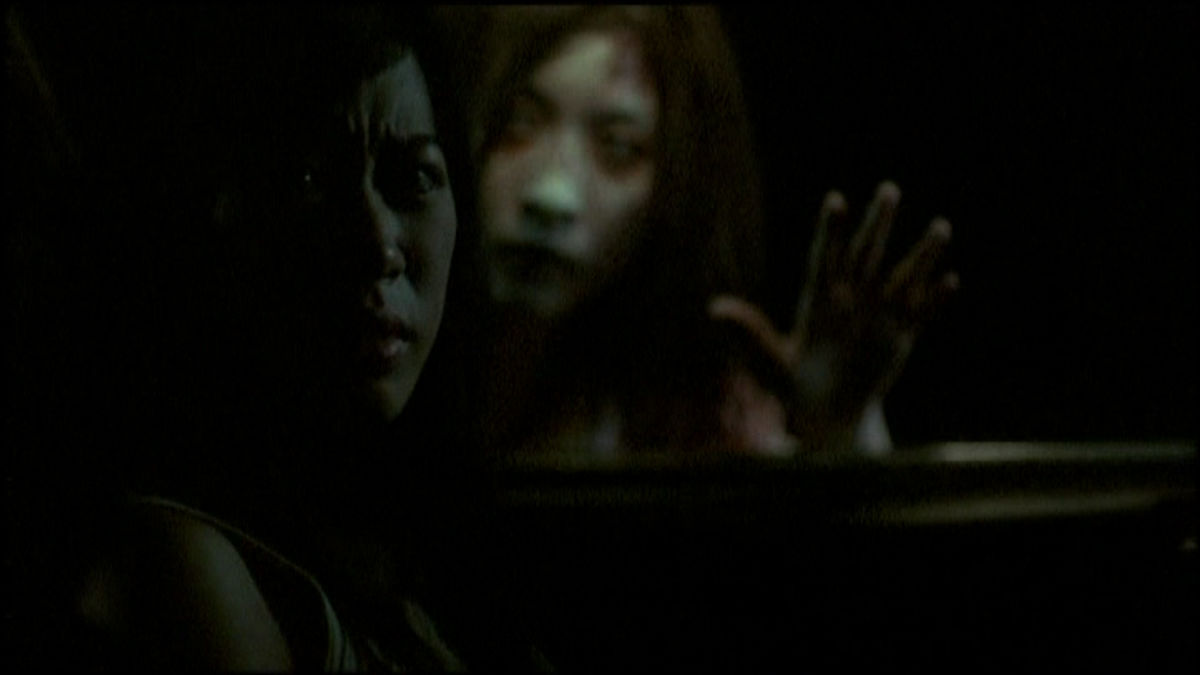
Shutter (2004): Guilt and Supernatural Retribution

molecular-designs.com – “Shutter,” a 2004 Thai horror film directed by Banjong Pisanthanakun and Parkpoom Wongpoom, is a haunting tale that combines psychological and supernatural elements to create an unforgettable cinematic experience. This film has garnered praise for its innovative use of photography as a narrative device, while also exploring deeper themes of guilt and retribution.

Plot Overview

The story follows a young photographer named Tun and his girlfriend, Jane, who, after a tragic hit-and-run accident, begin to experience eerie occurrences. Tun’s photographs start to reveal ghostly images that hint at a sinister presence. As the plot unfolds, it becomes clear that these apparitions are linked to the accident, and an ominous truth about Tun’s past begins to emerge.

Themes and Analysis

The Role of Photography

Photography in “Shutter” serves as a metaphor for uncovering hidden truths and confronting one’s past. The images captured by Tun’s camera are not just spectral manifestations but also reflections of his inner guilt and unresolved conflicts. This unique use of photography enhances the film’s narrative complexity and adds a layer of psychological depth.

Guilt and Consequences

At its core, “Shutter” is a story about the inescapable nature of guilt and the consequences of one’s actions. The supernatural elements serve as a catalyst for the characters to face their moral shortcomings. The film suggests that no matter how deeply one tries to bury the past, it will eventually resurface, demanding retribution.

Cinematic Techniques

“Shutter” is renowned for its effective use of suspense and atmosphere. The directors employ a variety of techniques, such as subtle visual cues and an unsettling sound design, to build tension and keep the audience on edge. The film’s pacing is deliberate, allowing the suspense to develop naturally and making the horror moments all the more impactful.

Impact and Legacy

Upon its release, “Shutter” received critical acclaim and became a significant entry in the horror genre. Its success led to several remakes and adaptations worldwide, including a Hollywood version in 2008. The film’s ability to blend traditional horror with psychological drama has influenced many subsequent works, cementing its status as a classic in Asian cinema.

Conclusion

“Shutter” (2004) is more than just a horror film; it’s a profound exploration of human emotions and the consequences of past actions. Through its innovative use of photography and its chilling narrative, the film challenges viewers to consider the darker aspects of human nature and the haunting power of unresolved guilt.
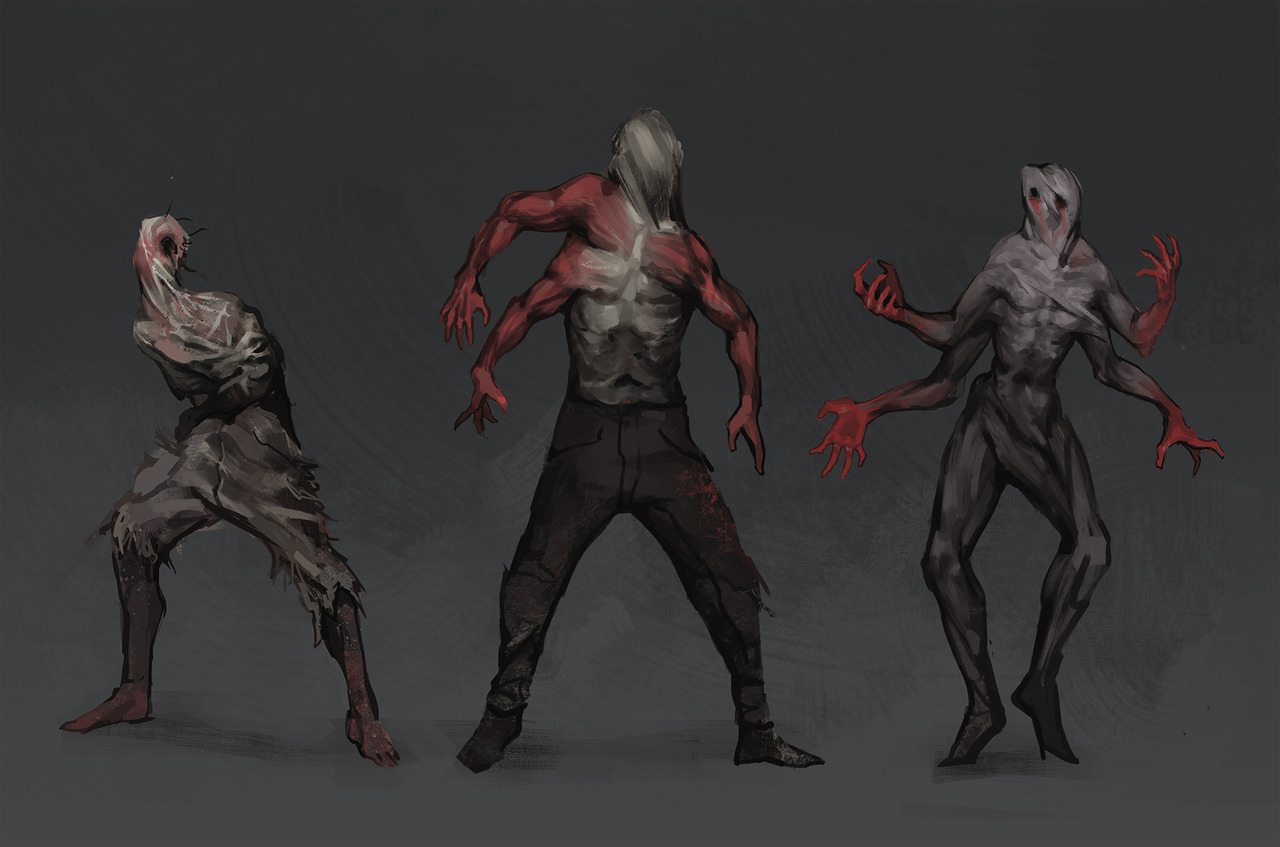
Biology, Mythology, and the Supernatural: The Science of Monsters

From the depths of ancient folklore to the pages of modern horror, monsters have captivated human imagination for centuries. These creatures, often born from a mix of fear and fascination, have been depicted in various forms across different cultures. While they may seem like mere figments of our collective nightmares, the study of monsters can reveal a great deal about human psychology, cultural history, and even aspects of real-world biology. This article delves into the science behind these supernatural beings, exploring their origins, evolution, and the biological inspirations that might have sparked their creation.

Biology and the Birth of Monsters:
Many monsters have roots in the natural world, twisted and exaggerated by human imagination. For instance, the vampire’s aversion to garlic could stem from the plant’s antimicrobial properties, which might have been believed to ward off disease-spreading entities. Similarly, the werewolf’s transformation under a full moon might be linked to ancient observations of the moon’s effects on human behavior or the rare genetic condition known as hypertrichosis, which causes excessive hair growth.

The kraken, a giant sea monster from Norse mythology, could be inspired by real-life giant squids, whose elusive nature and colossal size have fueled maritime legends for centuries. The yeti or Bigfoot, often described as a large, bipedal ape-like creature, might be a mythologized version of the now-extinct giant apes that once roamed the Earth.

Mythology and Cultural Significance:
Monsters are not just biological oddities; they are cultural symbols that often reflect the fears and values of the societies that create them. The ancient Greeks, for example, populated their myths with creatures like the Minotaur, a hybrid of man and bull, which represented the struggle between civilization and barbarism.

In many cultures, monsters serve as cautionary tales, embodying the dangers of the natural world or the consequences of moral failings. The Japanese oni, or demons, are often depicted as punishing those who have strayed from the path of righteousness.

The Supernatural and the Unknown:
While some monsters can be traced back to real animals or human conditions, others belong entirely to the realm of the supernatural. These beings, such as ghosts or spirits, challenge our understanding of life, death, and the afterlife. They often represent humanity’s fear of the unknown and the desire to explain phenomena that science has yet to unravel.

The study of the supernatural through monsters can also shed light on the development of religious and spiritual beliefs. Many cultures have deities or spirits that take on monstrous forms, acting as intermediaries between the human and divine worlds.

Conclusion:
The science of monsters is a fascinating intersection of biology, mythology, and the supernatural. By examining these creatures, we can gain insights into the workings of the human mind, the evolution of cultural narratives, and the ways in which we have sought to explain the natural world around us. Monsters may be the stuff of nightmares, but they also reflect our deepest curiosities and our enduring quest to understand the mysteries of existence. Whether they are based on real animals, represent cultural fears, or embody the unexplained, monsters continue to captivate us, blending the boundaries between the real and the imagined.