molecular-designs.com – From the depths of the ocean to the pages of history, tales of sea monsters have captivated human imagination for centuries. These colossal creatures, often depicted as fearsome and mysterious, have been a staple in folklore, literature, and art. The allure of the unknown, combined with the vastness of the ocean, has given rise to a plethora of myths and legends about sea monsters. In this article, we will delve into the horrors of the deep, exploring the most notorious sea monsters throughout history and the impact they have had on human culture.
The Kraken
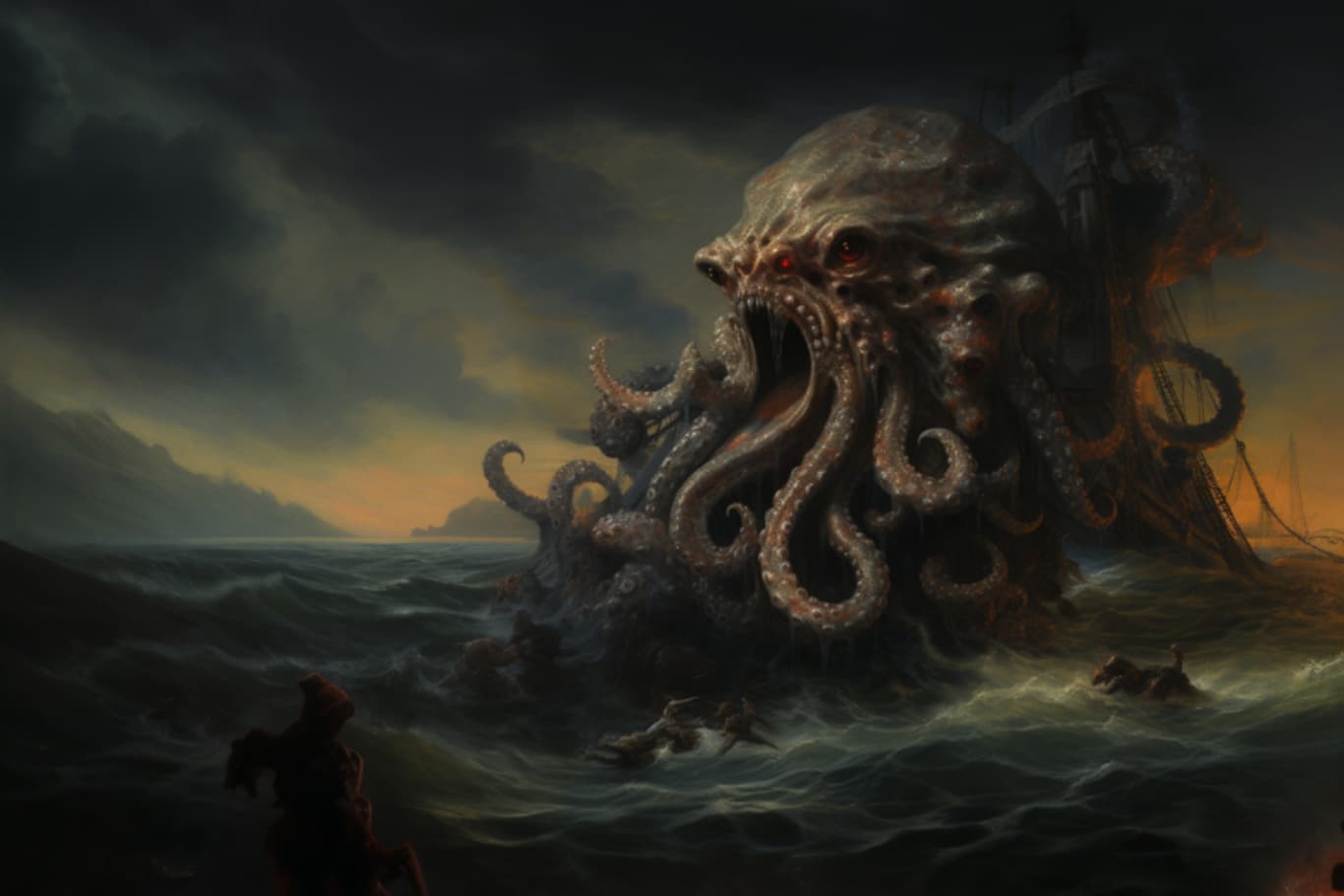
Perhaps one of the most famous sea monsters is the Kraken, a giant squid or octopus-like creature from Scandinavian folklore. The Kraken was said to be large enough to drag ships and their crews into the depths. Early sightings were likely inspired by the giant squid, a real creature that was not scientifically proven to exist until much later. The legend of the Kraken has been immortalized in literature, most notably in Tennyson’s poem “The Kraken” and in various horror and fantasy stories.
Leviathan
In Jewish mythology, the Leviathan is a sea serpent or dragon that represents chaos. It is described in various texts, including the Bible, where it is said to be the enemy of God. The Leviathan has been interpreted in many ways throughout history, often symbolizing the forces of evil or the dangers of the sea. The creature has been depicted in art and literature, serving as a metaphor for the struggle between good and evil.
The Loch Ness Monster
While not a sea monster in the traditional sense, the Loch Ness Monster, or “Nessie,” as it is affectionately known, deserves a mention. This creature is said to inhabit Loch Ness in Scotland. Sightings of Nessie date back to the 6th century, and she is often described as a large, long-necked creature similar to a plesiosaur, a marine reptile that lived millions of years ago. Despite numerous investigations and the advent of modern technology, Nessie remains one of the most enduring mysteries of the deep.
The Sea Serpent
Reports of sea serpents have been recorded for thousands of years, with sightings spanning the globe. These serpents are often described as massive, snake-like creatures that can reach lengths of hundreds of feet. While some sightings may be attributed to misidentifications of known marine animals, such as oarfish or large squids, the legend of the sea serpent continues to intrigue and frighten.
Cadborosaurus
Also known as “Caddy,” the Cadborosaurus is a sea serpent reported to inhabit the waters off the coast of British Columbia, Canada. Descriptions of Caddy vary, but it is often depicted as a long-necked, flippered creature, similar to the plesiosaurs of prehistoric times. Sightings of Cadborosaurus have been reported since the late 19th century, and it remains a popular subject of cryptozoology, the study of hidden or legendary animals.
The Impact of Sea Monsters on Human Culture
The fascination with sea monsters is not just a product of our fear of the unknown; it also reflects our desire to explore and understand the natural world. These creatures have been used as metaphors for human fears and anxieties, as well as symbols of the untamed wilderness. They have inspired countless works of art, literature, and film, from ancient myths to modern horror movies.
In conclusion, the horrors of the deep have long captured the human imagination, with sea monsters serving as both a warning of the dangers that lurk beneath the waves and a testament to our enduring curiosity about the mysteries of the ocean. Whether they are based on real animals or the product of human imagination, sea monsters continue to be a powerful symbol of the awe and terror that the sea can inspire.