Hailstorms: Ice from the Sky – Impacts of Hailstorms

molecular-designs.com – Hailstorms are fascinating yet formidable weather phenomena that can cause significant damage to property and agriculture. These storms, characterized by balls of ice falling from the sky, are a testament to the extraordinary power and unpredictability of nature. Understanding how hailstorms form and their potential impacts is crucial for preparedness and mitigation.

What is a Hailstorm?

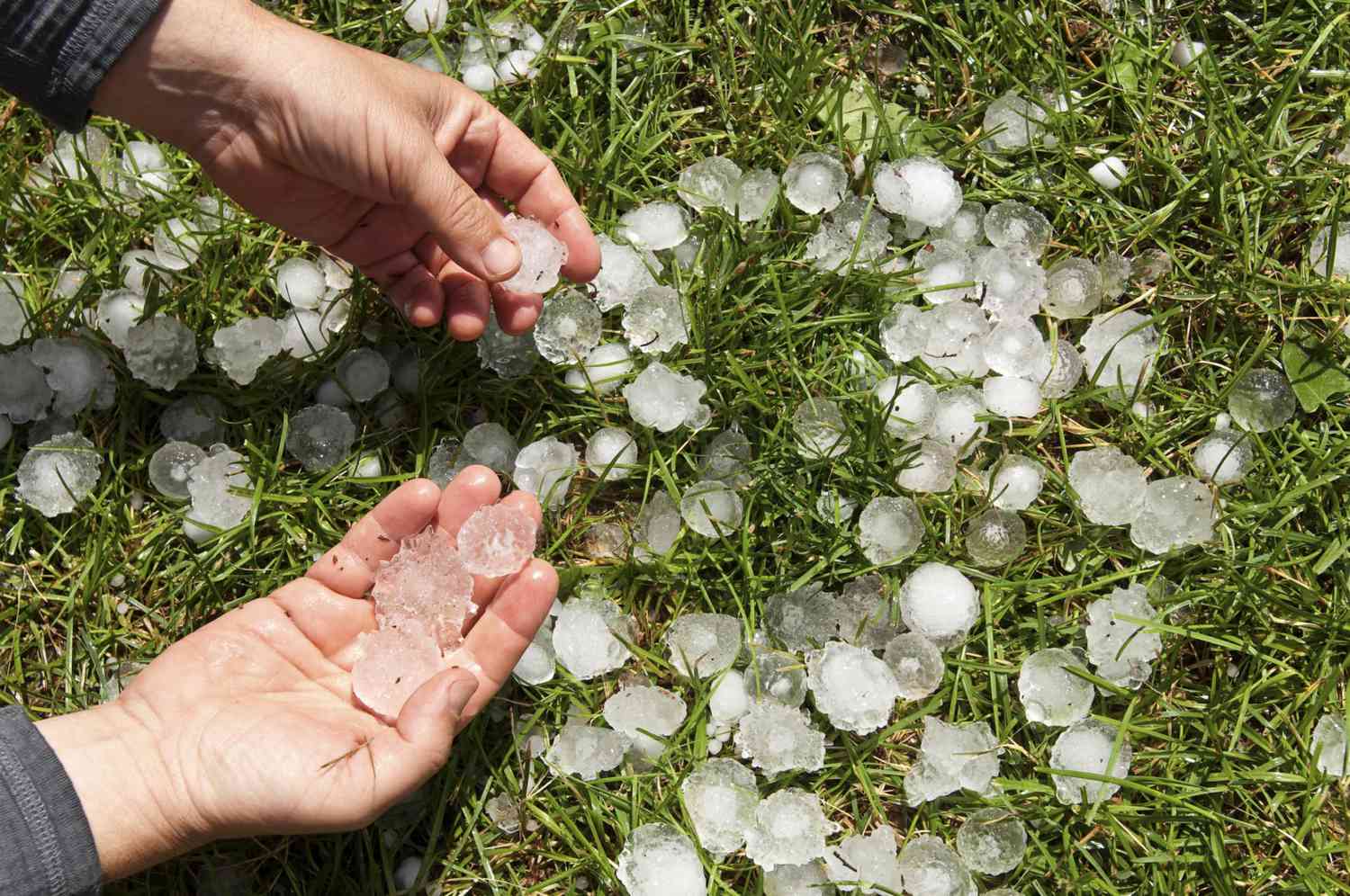
A hailstorm is a weather event where balls or irregular lumps of ice, known as hailstones, fall from the sky. These ice pellets can range in size from small peas to golf balls or even larger, causing extensive damage to vehicles, crops, and buildings. Hailstorms are most common in temperate regions and can occur during severe thunderstorms.

How Hail Forms

The formation of hailstones involves a complex process within a thunderstorm:

  1. Updrafts: Strong updrafts within a thunderstorm carry water droplets high into the atmosphere, where temperatures are below freezing. These droplets begin to freeze, forming small ice pellets.
  2. Circulation: The ice pellets are circulated within the storm by powerful updrafts and downdrafts. As they move up and down, they accumulate additional layers of ice, growing larger with each cycle.
  3. Gravity Overcomes Updrafts: Eventually, the hailstones become too heavy for the updrafts to support, and they fall to the ground as hail.

Factors Influencing Hailstorm Severity

Several factors determine the severity and impact of a hailstorm:

  1. Storm Intensity: Stronger storms with more powerful updrafts can produce larger hailstones.
  2. Temperature Profile: The temperature profile of the atmosphere affects the size and density of hailstones. Colder upper layers allow for more layers of ice to accumulate.
  3. Duration: Longer-lasting storms can produce more hailstones, increasing the potential for damage.

Impacts of Hailstorms

Hailstorms can have a range of impacts, from minor inconveniences to severe damage:

  1. Agricultural Damage: Hailstones can devastate crops, stripping leaves and destroying plants, leading to significant economic losses for farmers.
  2. Property Damage: Vehicles, roofs, and windows are particularly vulnerable to hail damage, leading to costly repairs and insurance claims.
  3. Human Safety: While rare, large hailstones can pose a direct threat to human safety, causing injuries during severe storms.

Mitigating Hailstorm Damage

While hailstorms cannot be prevented, there are ways to mitigate their impact:

  • Protective Measures: Installing hail-resistant roofing materials and using car covers can help reduce property damage.
  • Agricultural Practices: Farmers can use protective netting or select hail-resistant crop varieties to minimize agricultural losses.
  • Weather Monitoring: Advanced forecasting and weather monitoring can provide early warnings, allowing people to take shelter and protect vulnerable property.

Conclusion

Hailstorms, with their icy barrages, are a powerful reminder of nature’s unpredictability. By understanding how these storms form and their potential impacts, we can better prepare for them and minimize their damage. Through a combination of scientific research, technological advancements, and practical measures, communities can enhance their resilience against these icy assaults from the sky.

The Role and Impact of Princesses in Denmark

molecular-designs.com – The Danish monarchy, with its rich history and deep-rooted traditions, has seen many princesses play significant roles over the years. These women, often born into or married into the royal family, have contributed to the cultural, social, and diplomatic fabric of Denmark.

Queen Mary of Denmark

Queen Mary of Denmark, born Mary Donaldson, has been a prominent figure in the Danish royal family since her marriage to Crown Prince Frederik. She was granted the title of Crown Princess of Denmark and Countess of Monpezat by Queen Margrethe II on April 29, 20082. Mary has been actively involved in various royal duties and has become a beloved figure in Denmark, known for her grace and dedication to her role as a princess, mother, and public figure.

Princess Josephine of Denmark

Princess Josephine of Denmark, the youngest child of King Frederik X and Crown Princess Mary, is also a Countess of Monpezat. Born into the royal family, she represents the younger generation of Danish royals, embodying the future of the monarchy.

Historical Context

The list of Danish princesses dates back to the establishment of hereditary monarchy in Denmark, showcasing a long lineage of women who have contributed to the country’s royal heritage. These princesses have not only been integral to the royal duties and events but have also played a crucial role in maintaining the monarchy’s relevance and popularity in modern times.

Modern Influence

In contemporary Denmark, princesses continue to influence the nation through their involvement in various charitable and cultural initiatives. They are often seen as ambassadors for Danish culture and values, promoting Danish interests both domestically and internationally.

Conclusion

The role of princesses in Denmark is multifaceted, encompassing traditional royal duties, modern public service, and cultural representation. From historical figures to contemporary royals like Queen Mary and Princess Josephine, these women have left a lasting impact on the nation, embodying the spirit of Danish monarchy in the 21st century.

As the monarchy evolves, the contributions of these princesses remain a testament to their dedication and the enduring legacy of the Danish royal family.

Nanotechnology: Big Impact, Small Science

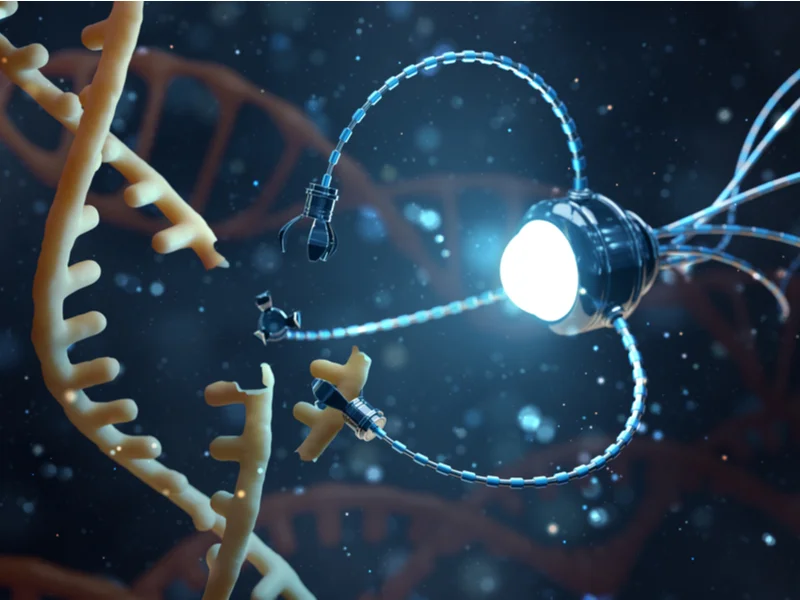
In the realm of science and technology, the prefix “nano” often precedes revolutionary advancements that defy the ordinary. Nanotechnology, the engineering of functional systems at the molecular scale, is no exception. This field, which operates at the scale of one-billionth of a meter, has the potential to transform industries, medicine, and even the way we interact with our environment. The impact of nanotechnology is vast, despite its infinitesimal scale, making it a prime example of how small science can lead to big changes.

The Essence of Nanotechnology

Nanotechnology involves the manipulation of matter at the atomic and molecular levels to create materials, devices, or systems with new and enhanced properties. This manipulation can result in structures that are significantly different from those at larger scales, leading to unique optical, electrical, and mechanical properties. The essence of nanotechnology lies in its ability to control and utilize matter at the nanoscale, where quantum effects become significant, and the properties of materials can be precisely tailored for specific applications.

Applications Across Industries

Medicine and Healthcare

One of the most promising applications of nanotechnology is in the field of medicine. Nanoparticles can be engineered to deliver drugs directly to diseased cells, reducing side effects and improving treatment efficacy. This targeted drug delivery can revolutionize cancer therapy, allowing for treatments that are more effective and less damaging to healthy cells. Additionally, nanotechnology is being explored for the development of new vaccines, diagnostic tools, and even regenerative medicine, where nanomaterials can be used to promote tissue growth and repair.

Electronics and Computing

In electronics, nanotechnology is leading to the development of smaller, faster, and more energy-efficient devices. Transistors with components at the nanoscale are enabling the next generation of supercomputers and smartphones, pushing the boundaries of processing power and speed. Moreover, nanomaterials like graphene are being researched for their potential in creating flexible electronics, wearable technology, and even transparent displays.

Energy

Nanotechnology is also making significant strides in the energy sector. Nanomaterials can enhance the efficiency of solar cells, making renewable energy more viable and cost-effective. Additionally, the development of nanostructured batteries could lead to higher energy densities, faster charging times, and longer lifespans, revolutionizing the way we store and use energy.

Environmental Impact

The environmental applications of nanotechnology are equally impressive. Nanomaterials can be used to create more efficient filters for water purification, helping to address global water scarcity and pollution issues. Moreover, nanotechnology can play a crucial role in the remediation of contaminated soil and water, offering solutions that are more effective and less invasive than traditional methods.

Ethical and Safety Considerations

Despite its potential, nanotechnology also raises important ethical and safety considerations. The unique properties of nanomaterials at such small scales can lead to unforeseen interactions with biological systems, raising concerns about their environmental and health impacts. As such, the development of nanotechnology must be accompanied by rigorous safety assessments and ethical considerations to ensure that its benefits are maximized while minimizing potential risks.

Conclusion

Nanotechnology represents a frontier in science and engineering, where the manipulation of matter at the smallest scales can lead to transformative changes in technology, medicine, and beyond. Its impact is vast, offering solutions to some of the most pressing challenges of our time. As research in this field continues to advance, the potential for nanotechnology to shape the future is limited only by our imagination and our commitment to responsible innovation. Small science, indeed, has the potential for big impact, and nanotechnology stands at the forefront of this transformative journey.