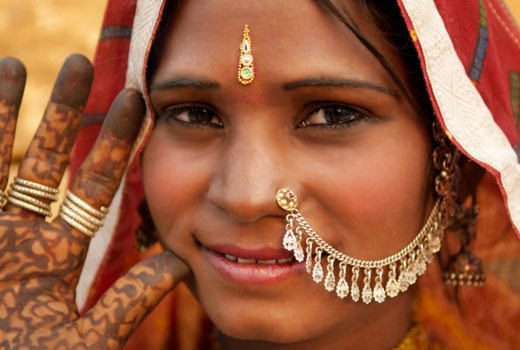
molecular-designs.com – Piercings have been used throughout history as a form of self-expression and cultural significance. Today, they continue to play a vital role in individual identity and personal style. This article explores how piercings contribute to self-identity and the various factors that influence this relationship.
Historical Significance of Piercings
Piercings have been practiced in various cultures for centuries, each with its own meanings and traditions. In some societies, piercings symbolize rites of passage, spiritual beliefs, or social status. Understanding this historical context can provide insight into why piercings remain a powerful tool for expressing identity today.
Piercings as a Form of Self-Expression
For many people, piercings are a way to convey their unique personality and style. They allow individuals to break away from societal norms and express their creativity. Whether it’s a simple earlobe piercing or a more elaborate body modification, each choice reflects personal tastes and values.
The Influence of Culture and Society
Cultural influences and societal trends often play a significant role in the decision to get pierced. Celebrities and social media can popularize certain styles, making them more mainstream. At the same time, subcultures may use piercings to establish group identity and solidarity, distinguishing themselves from the mainstream.
Psychological Aspects of Piercings
Piercings can also have psychological implications. For some, they serve as a form of body autonomy and empowerment, helping individuals reclaim control over their bodies. Others may see piercings as a way to cope with personal challenges or assert independence during transitional life phases.
Challenges and Considerations
While piercings can be a positive aspect of self-identity, they can also pose challenges. Societal perceptions and workplace policies may not always align with personal choices, leading to potential conflicts. It’s important for individuals to consider these factors and find a balance between self-expression and social expectations.
Conclusion
Piercings play a multifaceted role in shaping and expressing self-identity. They can signify cultural heritage, personal beliefs, or simply an individual’s unique style. By understanding the diverse influences behind piercings, individuals can make choices that resonate with their true selves, reinforcing their identity in a meaningful way. Whether used for personal expression or cultural connection, piercings remain a powerful symbol of individuality and self-discovery.