Burkina Faso’s Geography: Study of Its Landscapes & Climate

molecular-designs.com – Burkina Faso, a landlocked country in West Africa, is characterized by its diverse landscapes and a climate that significantly influences its agricultural practices and daily life. This article delves into the geography of Burkina Faso, exploring its topography, climate, and the impact of these factors on the country’s socio-economic fabric.

Topography of Burkina Faso

Burkina Faso’s landscape is predominantly flat, with a few scattered plateaus and isolated hills. The country can be divided into three main geographic regions: the Sudano-Sahelian region in the north, the Central Plateau, and the Mossi Highlands in the south-central part of the country.

The Sudano-Sahelian Region

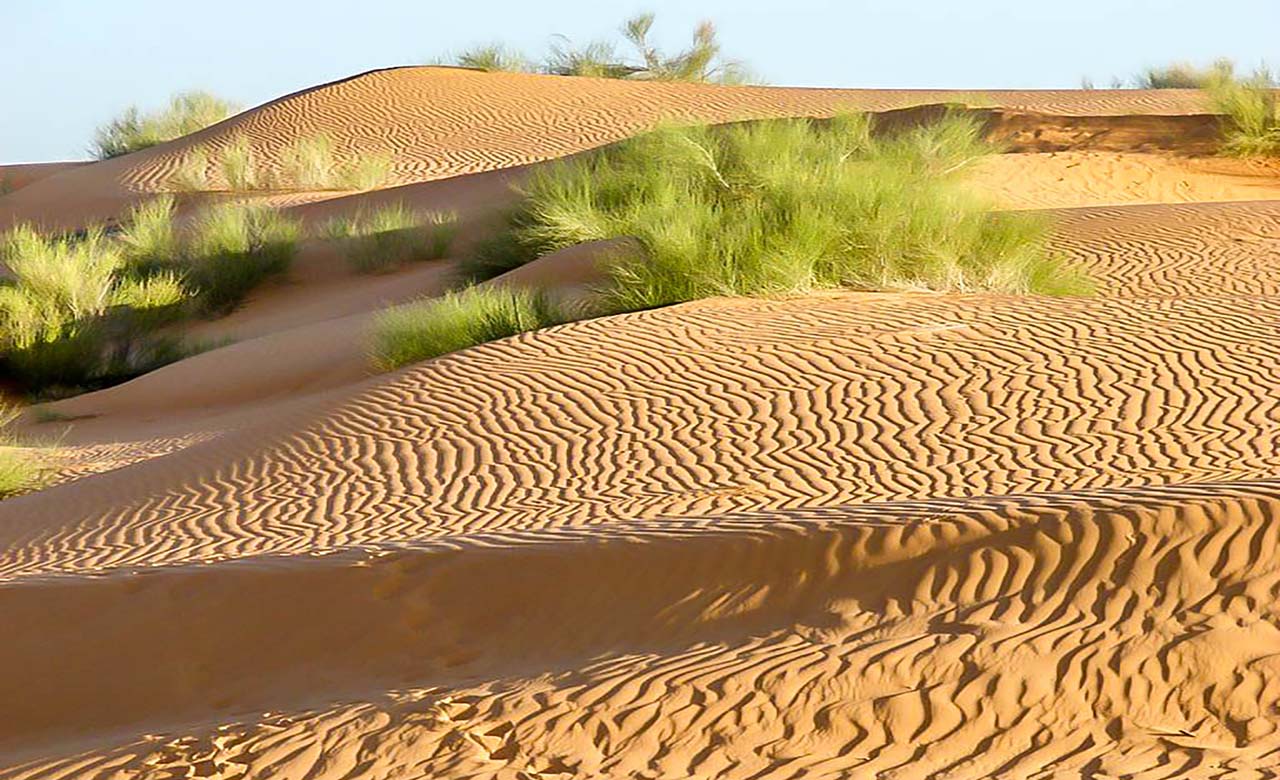
The northern part of Burkina Faso is part of the Sahel, a transitional zone between the Sahara Desert to the north and the Sudanian Savanna to the south. This region is characterized by its arid climate and sparse vegetation, making it less suitable for agriculture.

The Central Plateau

The Central Plateau, which covers much of the central part of the country, is more fertile and supports a variety of crops. This region is home to the majority of Burkina Faso’s population and is the center of the country’s agricultural activities.

The Mossi Highlands

The Mossi Highlands, located in the south-central part of the country, are characterized by rolling hills and are the most densely populated area of Burkina Faso. This region is also known for its rich agricultural land and is the site of the country’s capital, Ouagadougou.

Climate of Burkina Faso

Burkina Faso has a tropical climate with two distinct seasons: the dry season and the rainy season. The climate varies significantly across the country, with the northern regions experiencing a more arid climate compared to the more humid south.

The Dry Season

The dry season typically lasts from October to May and is characterized by hot, dry conditions. Temperatures can soar during this period, making it challenging for both people and crops.

The Rainy Season

The rainy season occurs from June to September and brings much-needed relief from the heat. It is during this period that most agricultural activities take place, as the rains support the growth of crops.

Impact of Geography on Burkina Faso

The geography of Burkina Faso, particularly its climate and topography, has a profound impact on the country’s economy and society. Agriculture, which is the backbone of the economy, is heavily dependent on the rainy season. The varied landscapes also influence the distribution of the population, with the more fertile regions being more densely populated.

Conclusion

Burkina Faso’s geography is a defining feature of the country, shaping its economy, society, and culture. Understanding the landscapes and climate of Burkina Faso is crucial for appreciating the challenges and opportunities that the country faces. As the world continues to grapple with climate change, Burkina Faso, like many other countries, must adapt to the changing environmental conditions to ensure sustainable development and prosperity for its people.
The Geography of the United States: Landscapes and Ecosystems

The United States of America, a vast nation sprawling across North America, boasts a geography as diverse as its population and culture. From the icy reaches of Alaska to the tropical shores of Hawaii, the continental expanse between boasts a variety of landscapes and ecosystems that contribute to the country’s rich natural heritage. This article will explore the geographic diversity of the United States, highlighting its varied terrains, climates, and the ecosystems that thrive within them.

The Mountainous Spine

The western United States is dominated by the majestic Rocky Mountains, a rugged range that stretches from northern Alberta in Canada to New Mexico. These mountains are a natural watershed, feeding rivers that flow both east and west. The Sierra Nevada in California and the Cascade Range in the Pacific Northwest are other significant mountain chains that contribute to the region’s dramatic beauty and biodiversity. These areas are home to coniferous forests, alpine tundra, and a wealth of wildlife, including grizzly bears, wolves, and bighorn sheep.

The Great Plains

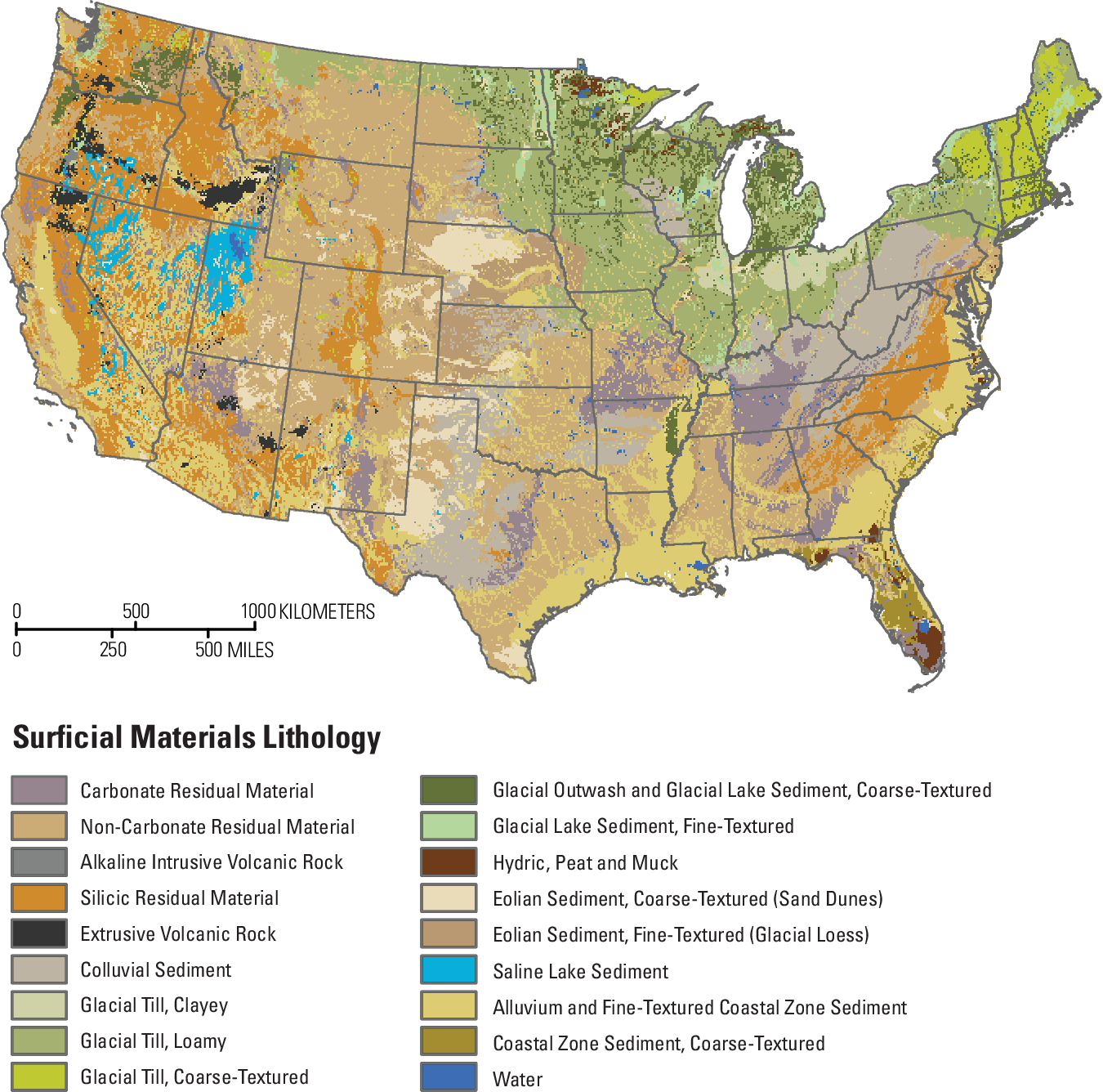
East of the Rockies lie the Great Plains, a vast, flat expanse that stretches from the Gulf of Mexico to the Canadian border. This region, known for its fertile soil and open skies, is a breadbasket of agriculture. The plains are characterized by grasslands and prairies, which have been largely converted to farmland. However, remnants of the original ecosystem remain, supporting species such as bison, prairie dogs, and a variety of birdlife.

The Coastal Regions

The United States has extensive coastlines along the Atlantic, Pacific, and Gulf of Mexico, each with its unique ecosystems. The Atlantic coast features a variety of habitats, from the salt marshes of the northeast to the mangroves of Florida. The Pacific coast is marked by its dramatic cliffs, temperate rainforests, and a rich marine life that includes orcas, sea otters, and a multitude of fish species. The Gulf Coast is known for its warm waters, which support coral reefs and a variety of marine life, as well as the wetlands of Louisiana, a critical habitat for birds and alligators.

The Desert Southwest

The southwestern United States is home to some of the most striking desert landscapes in the world, including the Mojave, Sonoran, and Chihuahuan Deserts. These areas are characterized by extreme temperatures, sparse rainfall, and a unique flora and fauna that have adapted to these harsh conditions. Saguaro cacti, Joshua trees, and a variety of lizards and snakes are among the iconic inhabitants of these deserts.

The Mississippi River Basin

The Mississippi River and its tributaries form the largest river system in North America, draining approximately 41% of the continental United States. This vast watershed is critical to the country’s ecology, providing habitat for countless species of fish, birds, and mammals. The river’s floodplains and delta are also significant agricultural areas, contributing to the nation’s food supply.

The Arctic and Subarctic

Alaska, the northernmost state, encompasses a vast wilderness that includes tundra, taiga, and glaciers. This region is home to polar bears, moose, caribou, and a variety of marine mammals. The arctic climate and the long hours of daylight in summer and darkness in winter create a unique ecosystem that is both fragile and resilient.

Hawaii and the Pacific Islands

The Hawaiian Islands, a chain of volcanic islands in the central Pacific, offer a tropical paradise with lush rainforests, sandy beaches, and active volcanoes. The islands are known for their biodiversity, including many species found nowhere else on Earth. The Pacific Islands territories of the United States, such as American Samoa and Guam, also boast unique ecosystems and are important stops for migratory birds.

The geography of the United States is a testament to the planet’s incredible diversity. From the snow-capped peaks of the Rockies to the sun-drenched beaches of Hawaii, each region offers a glimpse into the varied landscapes and ecosystems that make up this vast country. The preservation of these natural wonders is not only crucial for the survival of countless species but also for the enjoyment and education of future generations.