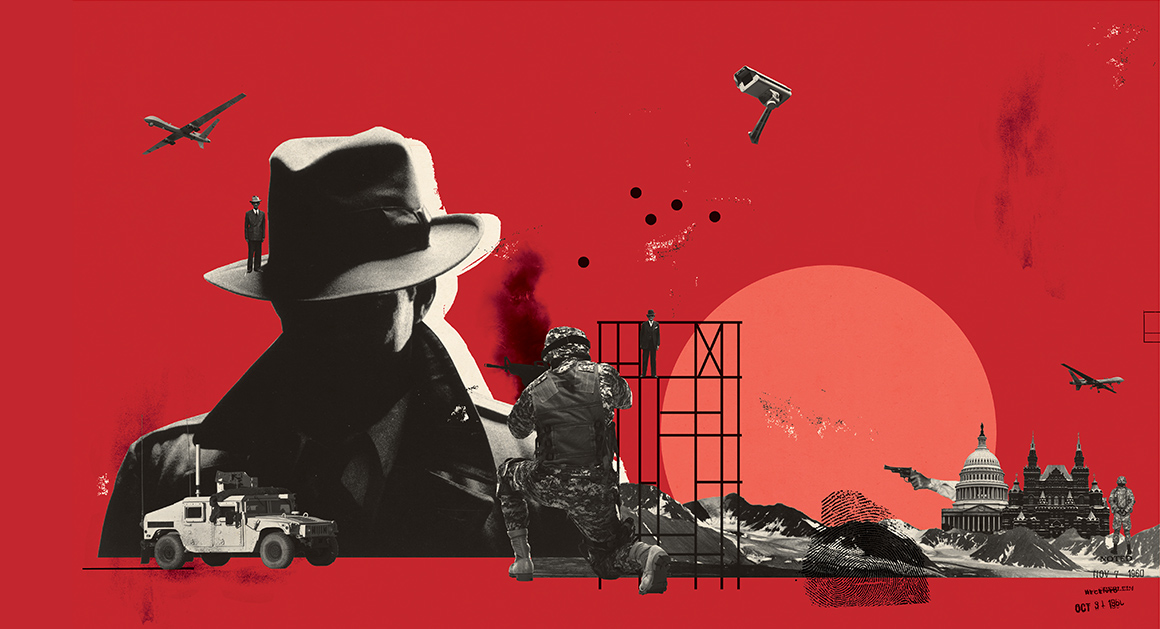
Espionage and Intelligence: The CIA and the Cold War

molecular-designs.com – The Central Intelligence Agency (CIA) played a pivotal role during the Cold War, engaging in espionage and intelligence operations that shaped international relations and influenced the course of history. This article delves into the CIA’s activities, strategies, and the impact of its intelligence efforts during the prolonged geopolitical standoff between the United States and the Soviet Union.

The Formation and Early Years of the CIA

The CIA was officially established in 1947, in the aftermath of World War II, as the United States sought to strengthen its intelligence capabilities in the face of emerging threats. The National Security Act of 1947 created the CIA, tasking it with gathering foreign intelligence and conducting covert operations to protect American interests.

Espionage Operations

The CIA’s espionage operations during the Cold War were extensive and multifaceted. These included the recruitment of spies, the development of sophisticated surveillance technologies, and the use of espionage to gather information on Soviet military capabilities, political intentions, and technological advancements.

Covert Action and Psychological Warfare

Beyond espionage, the CIA engaged in covert actions aimed at influencing foreign governments and populations. These activities ranged from political interventions to support anti-communist movements, to psychological warfare campaigns designed to undermine Soviet influence and promote American ideals.

The U-2 Incident and the Bay of Pigs

Two notable events that highlighted the CIA’s role in the Cold War were the U-2 incident of 1960 and the Bay of Pigs invasion of 1961. The U-2 incident, where a CIA-piloted spy plane was shot down over the Soviet Union, led to a diplomatic crisis. The Bay of Pigs invasion, a failed attempt to overthrow the Cuban government, was a covert operation that ultimately exposed the limits of the CIA’s capabilities and the risks of such endeavors.

The CIA and the Space Race

The CIA also played a significant role in the Space Race, using satellites for reconnaissance and intelligence gathering. The development of satellite technology provided the United States with unprecedented capabilities to monitor Soviet military installations and movements, significantly altering the dynamics of Cold War espionage.

Conclusion

The CIA’s activities during the Cold War were a critical component of American foreign policy. Through espionage, intelligence gathering, and covert operations, the agency sought to counter Soviet influence and protect U.S. interests. While some of its actions were successful, others led to controversy and debate about the role of intelligence agencies in a democratic society. The legacy of the CIA’s Cold War efforts continues to influence international relations and the field of intelligence today.

Navigating the Most Dangerous Countries: The War-Torn World

molecular-designs.com – In an era where globalization has brought the world closer than ever, it’s a stark reminder that not all corners of the globe are safe havens. Amidst the backdrop of political upheaval, economic disparity, and social unrest, some countries find themselves embroiled in conflicts that make them some of the most dangerous places on Earth. This article delves into the war-torn world, exploring the factors that contribute to a country’s danger level and highlighting some of the most perilous nations.

Understanding Danger

The term “dangerous” in the context of countries can encompass various factors, including but not limited to, the presence of armed conflict, terrorism, crime rates, political instability, and the prevalence of deadly diseases. These elements can individually or collectively contribute to a country’s classification as dangerous.

The Most Dangerous Countries

While the situation can change rapidly, as of the last available data, several countries consistently rank high on the list of the world’s most dangerous places due to ongoing conflicts, terrorism, and other threats.

1. Syria

Syria has been ravaged by a brutal civil war since 2011, making it one of the most dangerous countries. The conflict has led to hundreds of thousands of deaths, millions of refugees, and widespread destruction. The involvement of various international factions, including ISIS, has further complicated the situation.

2. Afghanistan

Afghanistan has been synonymous with conflict for decades, with the recent withdrawal of U.S. and NATO troops leading to a resurgence of the Taliban. The country faces significant challenges, including terrorism, human rights abuses, and a deteriorating humanitarian situation.

3. Yemen

Yemen is in the midst of a complex civil war that has resulted in a severe humanitarian crisis. The conflict has led to widespread famine, disease, and displacement, with millions of people in need of humanitarian assistance.

4. Iraq

Although Iraq has made strides in stabilizing since the defeat of ISIS, it still faces significant challenges, including political instability, sectarian violence, and terrorism. The country’s recovery from years of conflict is ongoing.

5. South Sudan

Since gaining independence in 2011, South Sudan has been embroiled in a civil war that has led to massive displacement, famine, and human rights abuses. The conflict has made it one of the most dangerous countries in the world.

6. Somalia

Somalia has been plagued by civil war, terrorism, and piracy for decades. The presence of Al-Shabaab, a terrorist organization, poses a significant threat to the country’s stability and security.

The Impact of Danger

The danger in these countries has profound implications not just for their citizens but for the global community. Refugee crises, terrorism, and the spread of diseases know no borders. The international community often finds itself grappling with how to provide aid and support while ensuring the safety of its citizens and personnel.

Paths to Peace

The road to peace in these war-torn countries is fraught with challenges. Diplomatic efforts, peacekeeping missions, and humanitarian aid are critical components of any solution. However, sustainable peace requires addressing the root causes of conflict, including economic disparities, social injustices, and political grievances.

Conclusion

The war-torn world serves as a stark reminder of the fragility of peace and the devastating impact of conflict. While some countries are marked by danger due to circumstances beyond their control, the global community has a role to play in supporting peace, stability, and recovery. Understanding the complexities of these conflicts is the first step toward finding lasting solutions and ensuring that these countries can one day be safe havens for their citizens and the world.